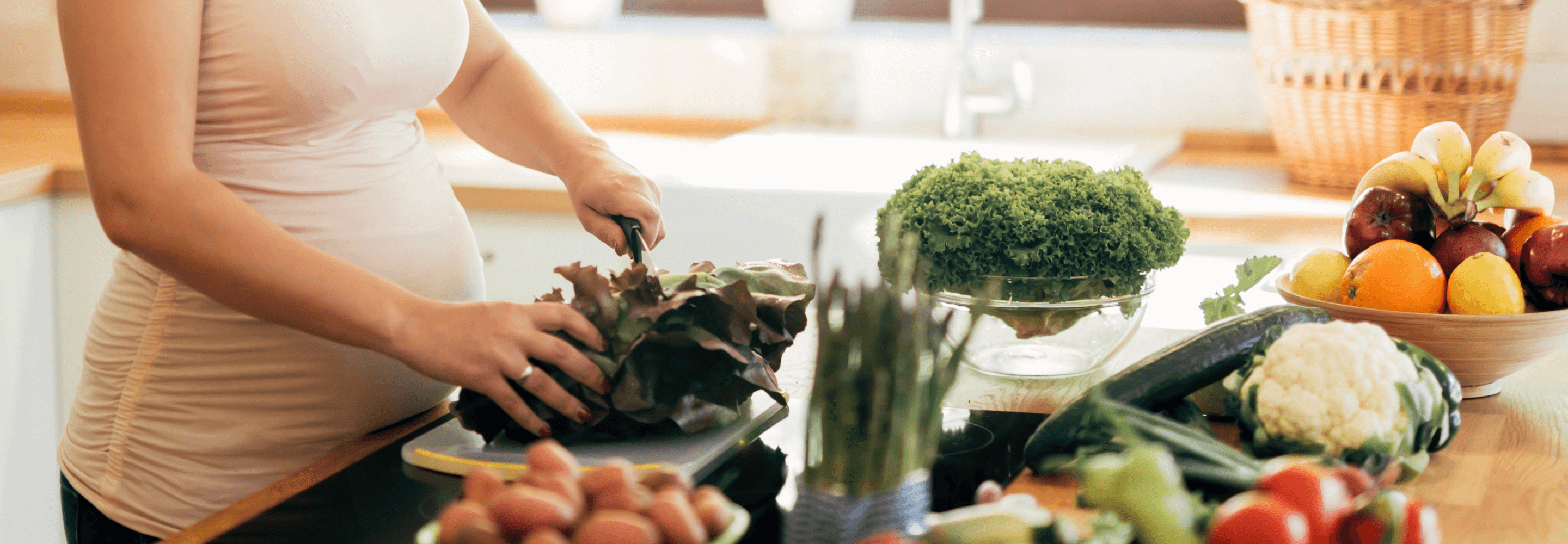
When you’re expecting, it’s an exciting and slightly terrifying time of life. I have had three babies, and each time brought mixed emotions of joy and fear. Along with wondering how your body will change, what life will be like with a new baby, and what products you should be purchasing, many expecting moms also wonder about nutrition.
At your pregnancy appointment, your doctor probably shared foods you should avoid, such as soft cheeses, lunchmeat, raw or high-mercury fish, unpasteurized fruit juice, alcohol, or lots of caffeine. However, not many people tell you what you should eat. That’s because nutrition isn't one size fits all...but there are some general guidelines.

Vitamins and Minerals
First off, you need to increase your vitamin, mineral, and protein needs while only increasing your calories by about 300 calories. This number can vary based on age and activity, but it isn’t a large calorie increase. This means that your focus should be on nutrient-dense foods that can provide extra vitamins and minerals without excessive calories. Nutrient-dense foods include fruits, vegetables, lean protein, legumes, and whole grains.

Iron Absorption
This may sound simple, but with morning sickness, cravings, and exhaustion, it can be difficult to get enough of certain nutrients. For example, iron goes up to 27mg a day when you’re pregnant. To put that into perspective, one serving of steak has about 3mg. To help with iron absorption, try to consume iron with vitamin C while avoiding high-calcium foods and drinks. This is because vitamin C helps increase iron absorption while calcium competes for it, so avoid taking your prenatal or iron supplement with a beverage like orange juice or milk. Also, avoid high-calcium beverages for a few hours after.

Folate and Choline
Folate and choline are also important to prevent neural tube defects. Since the neural tube forms early on, I’d suggest to any woman who is pregnant or trying to conceive to eat fortified foods, such as breads and cereals. Folate is better absorbed in the supplement form folic acid, so I would strongly suggest taking a prenatal supplement even before becoming pregnant, too.

Nutrient-Dense Foods
Since pregnant women already have a lot on their mind, I don’t recommend tracking vitamins and minerals. Instead, focus on eating nutrient-dense foods and taking a prenatal vitamin. Most prenatals have a large list of vitamins and minerals, which is great considering many pregnant women have food aversions that impact their diet quality. Keep in mind, there are a few must-haves for a good prenatal vitamin. When looking for a prenatal supplement, be sure to choose one that has the following:
- Iron—27mg
- Folic acid—at least 600ug
- Vitamin D—400 IU (common deficiency in pregnancy)
- Limited vitamin A—4000 IU (as beta carotene*)
- Fish oil or DHA and EPA (if not consuming low-mercury fish)
- 3rd party verification (such as USP verified)
*The retinol version of vitamin A has been associated with increased risk of birth defects in excessive amounts.
If you are struggling to think of how to increase your intake of nutrient-dense foods, check out the recipes on our blog! They are loaded with fruits, veggies, lean protein, nuts, seeds, and whole grains. Growing another human is difficult and taxing on the body, so do what you can to fuel up, but don’t stress if morning sickness limits what you can tolerate. Just do what you can to eat nutrient-dense foods, hydrate, take your prenatal, stay active, and enjoy these exciting and exhausting nine months.
Recipes:
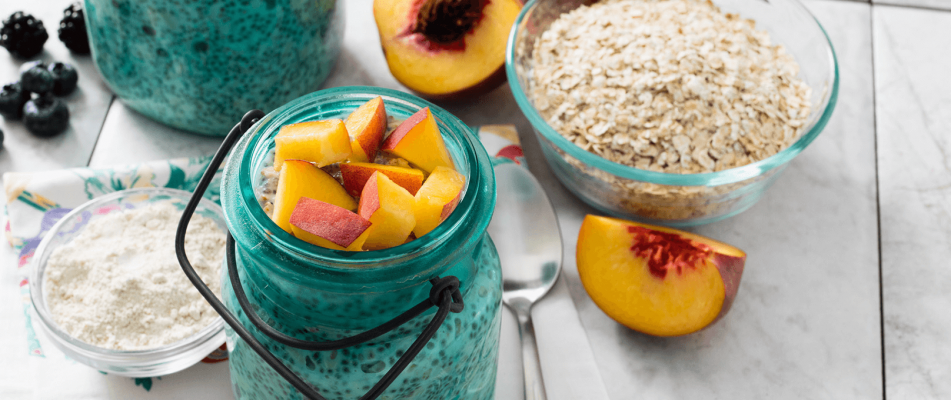

Brussels Sprouts Sweet Potato Breakfast Hash


You might also like

Why waiting until you're thirsty is already too late
Thirst isn't always a reliable signal. Learn why proactive hydration matters more before a hard workout.
October 7, 2026

Series Feature: Mood Food: Nutrition for Your Mind
Head to the kitchen for the delicious Mood Food: Nutrition for Your Mind Series with iFIT Guide Dr. Eva Selhub! About iFIT Guide Dr. Eva Selhub Board Certified in Internal Medicine, iFIT Guide Dr. Eva has extensive knowledge of the body and how it works. She combines this knowledge with alternative forms of medicine to help others transform their health and well-being. Dr. Eva encourages others to strive for physical, mental, and spiritual health through redefining their approach to health and fitness. Her goal is to translate complex scientific and medical information into practical and usable knowledge that everyone can access to improve their lives. About the workouts In this 12-part food adventure, Dr. Eva will take a deep dive into all aspects of food, nutrition, and health as they relate to your body and mind. You’ll learn how to eat mindfully to help your brain, your microbiome, your mood, and so much more as Dr. Eva takes you to the iFIT Kitchen. At the end of every video, she’ll challenge you with short exercises that you can do daily or weekly to start implementing these healthy practices into your daily life. Take control of your health and learn more about what your body and mind need to fuel itself! About iFIT Mind™ iFIT Mind offers unique, groundbreaking content that expands the definition of what it means to work out. You’ll learn from experts in both physical and mental training to help you become the best version of yourself through mindfulness, meditation, and movement. You can support your nutrition journey with our printable recipe book, created by Dr. Eva. In it, you’ll find recipes to help you incorporate vegetables and protein into your diet, from breakfast to dinner. Ready to get started? Join this series now! Disclaimer: This blog post is not intended to replace the advice of a medical professional. The above information should not be used to diagnose, treat, or prevent any disease or medical condition. Please consult your doctor before making any changes to your diet, sleep methods, daily activity, or fitness routine. iFIT assumes no responsibility for any personal injury or damage sustained by any recommendations, opinions, or advice given in this article. Always follow the safety precautions included in the owner’s manual of your fitness equipment.
May 12, 2021

Exercise While Taking GLP-1: A Muscle-First Plan
Navigating a calorie deficit on GLP-1 medications often brings unexpected side effects like lower energy and fatigue. Pushing through exhaustion isn't the answer—moving smarter is. This muscle-first guide dives deep into the essential lifestyle pillars that support your training consistency. Learn how precise hydration habits defend against fatigue, and discover the striking science of how sleep duration directly impacts your body composition during weight loss. Complete with a flexible, one-week sample schedule, this guide shows you how to adjust your training intensity on tired days so you can protect your progress without overexertion.
May 26, 2026