
Over the last century, both fructose intake and obesity have risen dramatically. With the introduction of high-fructose corn syrup, those numbers have continued to climb. Americans consume 30% more fructose than they did 20 years ago, and 4 times the amount that they did 100 years ago (1). Because this mirrors obesity and diabetes rates, many are wondering if fructose is to blame.
Originally, as fructose hit the scene, it was thought to be the perfect sweetener for diabetics. Because it’s digested differently from glucose, it doesn’t stimulate insulin secretions (2). Although it might not stimulate an immediate response, the research is showing that it might be far worse than glucose. Animal studies show that fructose may increase triglyceride levels more than glucose or sucrose (which is glucose+fructose) (3). The animals in another study that consumed high levels of fructose over a long period of time developed insulin resistance, obesity, type 2 diabetes, and high blood pressure. The results have been less extreme in human studies, but high amounts of fructose appeared to lead to high cholesterol and triglycerides, as well as decreased insulin sensitivity. (4)
There are many theories about ways that fructose could cause obesity and diabetes. It could be that it doesn’t provide the satiety that glucose does, or it could increase uric acid concentrations. In one study, when uric acid was lowered, participants were able to avoid weight gain, high triglycerides, insulin resistance, and high blood pressure. (5)
While there is evidence that high levels of fructose consumption could be the cause of the rise in obesity, heart disease, and diabetes, there’s not enough evidence to suggest that (at least at moderate levels) it’s dangerous. (4) In other words, it might not just be fructose causing these epidemics, but the amount of sugar in general that we eat.
One of my favorite sayings is, “The dose makes the poison.” At super high levels, most things are bad for us, and that appears to be the case with fructose and all forms of sugar. Please note that I’m not talking about natural sugars that are found in fruit and dairy. We’re not gaining weight from eating too many apples. I’m talking about the added sugar from table sugar, high-fructose corn syrup, honey, etc. that are found in a whopping 74% of packaged foods sold in supermarkets! (6)
The average American consumes about 22 teaspoons (350 calories) of added sugar every day, and about half of that is coming from sweetened beverages likes soda, sport and fruit drinks, teas, and energy drinks. (7) That’s about 3 times the amount recommended by the American Heart Association (9 teaspoons for men and 6 teaspoons for women). Sugar intake at this level has been shown to cause increases in weight, triglycerides, blood pressure, and insulin resistance (5), all of which increase our risk of heart disease and diabetes.
Now you might be thinking, “I already know how bad sugar is...but it’s in everything!” You’re so right. Sugar is added to most of our foods, and because food labels don’t separate added sugar and natural sugars, we can’t rely on food label grams of sugar alone to determine how much of the sugar is added to foods that contain fruit or dairy. For example, the label on chocolate milk says it has 18 grams of sugar, but 12 grams are natural sugar (lactose), which means it has 6 grams of added sugar. So your chocolate milk has less added sugar than 2 tablespoons of ketchup (8 grams). Because of this, I recommend looking for added sugars in the ingredient list and not just the nutrition table. Below are various names (some of them very sneaky) for added sugar (8):
- anhydrous dextrose
- brown sugar
- confectioner's powdered sugar
- corn syrup
- corn syrup solids
- dextrose
- fructose
- high-fructose corn syrup (HFCS)
- honey
- invert sugar
- lactose
- malt syrup
- maltose
- maple syrup
- molasses
- nectars (e.g., peach nectar, pear nectar)
- pancake syrup
- raw sugar
- sucrose
- sugar
- white granulated sugar
To decrease the amount of sugar in your diet, aim for less processed foods, and check your nutrition tables and ingredients lists. Remember, a little won’t hurt, but too much just might, so instead of having a “spoonful of sugar [to] help the medicine go down,” let’s cut out the added sugars and thus the medicine!
Megan Ostler MS, RDN
iFit Dietitian
WARNING: This post is not intended to replace the advice of a medical professional. The above information should not be used to diagnose, treat, or prevent any disease or medical condition. Please consult your doctor before making any changes to your diet, sleep methods, daily activity, or fitness routine. iFit assumes no responsibility for any personal injury or damage sustained by any recommendations, opinions, or advice given in this article.
References
- www.todaysdietitian.com/news/enews_1109_02.shtml
- Johnson RK, Appel LJ, Brands M, Howard BV, Lefevre M, Lustig RH, Sacks F, Steffen LM, Wylie-Rosett J. Dietary Sugars Intake and Cardiovascular Health: A Scientific Statement From the American Heart Association. Circulation. 2009; 120:1011-1020.
- Kanarek RB,Orthen-Gambill N. Differential effects of sucrose, fructose and glucose on carbohydrate-induced obesity in rats.The Journal of Nutrition. 1982, 112(8):1546-1554].
- Tappy L, Le KA. Metabolic Effects of Fructose and the Worldwide Increase in Obesity. Physiological Reviews. 2010, 90(1): 23-46.
- Johnson RJ, Segal MS, Sautin Y, Nakagawa T, Feig DI, Kang DH, Gersch MS, Benner S, Sa´nchez-Lozada LG. Potential role of sugar (fructose) in the epidemic of hypertension, obesity and the metabolic syndrome, diabetes, kidney disease, and cardiovascular disease. American Journal of Clinical Nutrition 2007; 86: 899 –906.
- Ng, S.W., Slining, M.M., & Popkin, B.M. (2012). Use of caloric and noncaloric sweeteners in US consumer packaged foods, 2005-2009. Journal of the Academy of Nutrition and Dietetics ,112(11), 1828-1834.
- www.todaysdietitian.com/newarchives/090115p38.shtml
- www.choosemyplate.gov/what-are-added-sugars
You might also like

Strength Training While on GLP-1: A 6-Week Plan
When your body weight changes, you aren’t just losing fat—research shows you risk losing lean muscle mass, too. Protecting that muscle is the key to maintaining your metabolism and everyday strength. This practical 6-week guide breaks down exactly how to structure a simple, 20-to-30 minute full-body strength routine 2–3 times a week. Built around foundational compound movements like squats and rows, this plan shows you how to safely implement progressive overload without burning out your energy. Give your body a clear signal to keep its muscle and build a routine that sticks.
May 26, 2026
How to Make Soup a Nutrition Super Star
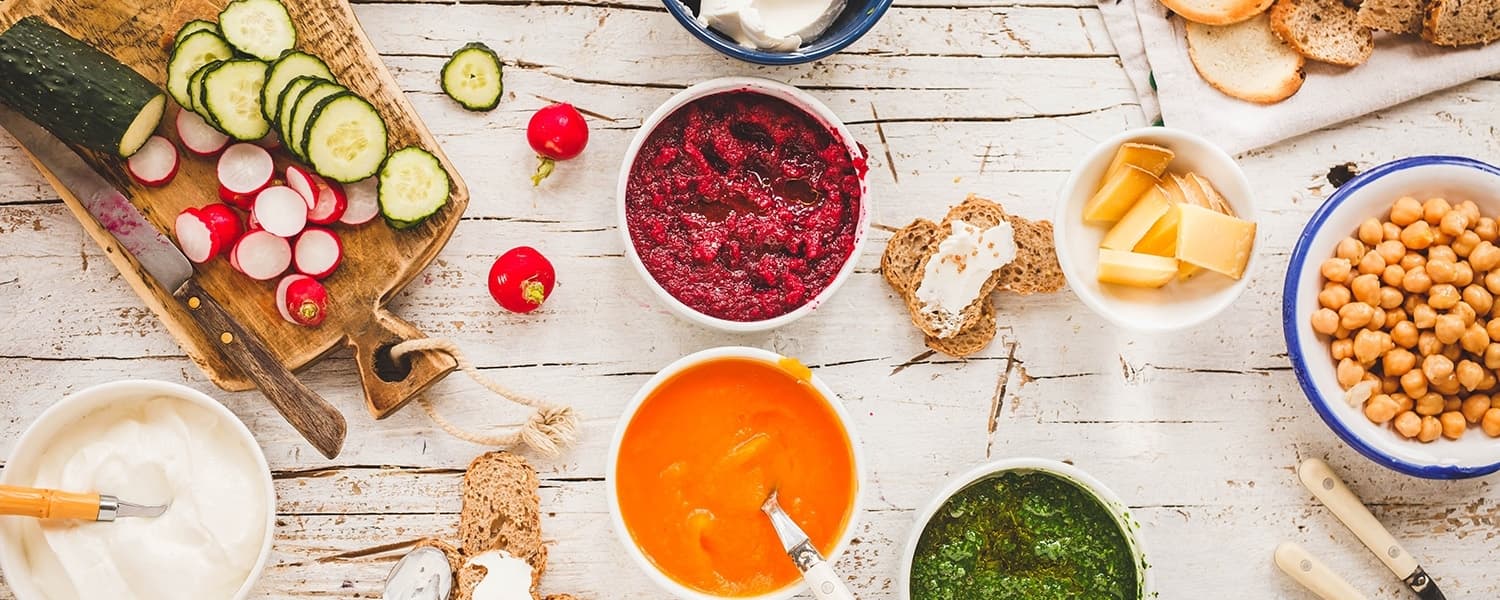
There’s something so comforting, warming, and nostalgic about soup. I mean, who doesn’t want chicken noodle soup when they’re sick, or chili after a cold day playing in the snow? Now, you might be thinking, “Yeah, I love soup...as an appetizer!” Soup is often not viewed as satiating enough to be a meal unless it’s full of cream and calories. Lighter soups are often paired with bread, salad, and even large entrées. However, soup done right can be filling, healthy, and all you need for you next meal. There are a few tricks I can teach you to make your next soup a “souper star!” Forgive me...I had to say it!Veggies, veggies, veggiesSoup is the perfect vehicle to pack in an array of vegetables. Aim to include at least 3 vegetables of different colors, preferably. The color of vegetables is important, because it corresponds with various nutrients and phytochemicals your body needs. Each color contains vital nutrients, including vitamins, that play important roles in disease prevention and overall health. Also, veggies provide fiber to fill you up so you’re not as hungry throughout the rest of the day.Pack in proteinIt’s important to get adequate protein at every meal. In soup, it can come in a variety of forms. Meat, legumes, whole grains, Greek yogurt, and tofu can all be great additions to help your soup pack a powerful punch and feel like a real meal. For vegans or vegetarians, if your soup is still lacking, try adding in a vegan protein powder. This works well for strongly-flavored, thick soups like stews, curry, etc. However, make sure you don’t use a sweet protein powder if you want a salty flavor. I made the mistake of mixing vanilla vegan protein powder with lentil soup once. Yuck!Replace the creamCreamy chicken and wild rice, loaded potato, butternut bisque, creamy tomato...no doubt creamy based soups are popular and yummy! However, they’re also loaded with calories and saturated fat. Instead, replace the cream with nonfat Greek yogurt (add at the end to prevent curdling), a basic white roux, milk and cornstarch, silken tofu, or a vegetable puree (such as cauliflower, potato, or butternut squash). The type of sub you choose will depend on your soup, but you can definitely enjoy creamy soup without the heavy cream.Watch the sodiumThe biggest pitfall that keeps soup from entering the nutrition big leagues is the sodium content. Most soups are high in sodium. Even if you don’t add salt to your soup, it still might be super high from canned goods, processed foods, and salty seasoning mixes. The average American diet is super high in salt, and we’ve come to expect all food to be well-salted. To make soup a nutritious super star, aim to have your soup be maximum 700 mg per serving (preferably much lower). Skip canned items and go for fresh or frozen. If you need to get canned foods, buy a low-sodium version and rinse the contents well. Be careful with sodium-packed items like soy sauce, bouillon, spice mixes, etc. Now, once you take out the salt, it might seem like your soup is lacking in flavor. To make up for that, be sure to load up on fresh herbs and spices. For a salty flavor, my favorite substitute is vinegar, which taste salty without the sodium. My favorites are red wine and balsamic. Believe me, you can get big flavor without the salt shaker.Keep it wholeHave fun with your soup and add in any seasonal whole foods you’d like. Soup is a great way to use leftovers or large garden harvests. Just aim to keep the ingredients whole. Whole grains, vegetables, lean meats, legumes, fresh herbs, and spices are all great. Try to avoid lots of processed foods like cream-based soups, mixes, processed cheese, etc. Often, when I have lots of veggies to use such as zucchini, broccoli, onions, green beans, potatoes, carrots, and celery, I’ll chop them all up and put them either in a tomato-based soup with a little balsamic vinegar or with chicken and lots of fresh herbs. Soup is one of those foods that just needs a big pot and fresh ingredients, but for recipe lovers, check out the soup recipes on our blog.By making a few changes, you can have a delicious, comforting soup, healthy enough to make the nutrition big leagues. So grab a spoon and let's get cooking!Megan Ostler MS, RDNiFit DietitianSoup Recipes SamplingsSlow Cooker Beef and Barley Stewhttp://www.ifit.com/blog/slow-cooker-beef-and-barley-stew/Skinny Loaded Baked Potato Souphttp://www.ifit.com/blog/skinny-loaded-baked-potato-soup/Thai Carrot Souphttp://www.ifit.com/blog/thai-carrot-soup/WARNING: This post is not intended to replace the advice of a medical professional. The above information should not be used to diagnose, treat, or prevent any disease or medical condition. Please consult your doctor before making any changes to your diet, sleep methods, daily activity, or fitness routine. iFit assumes no responsibility for any personal injury or damage sustained by any recommendations, opinions, or advice given in this article.
February 20, 2016
Our Experience: Soup Cleanse
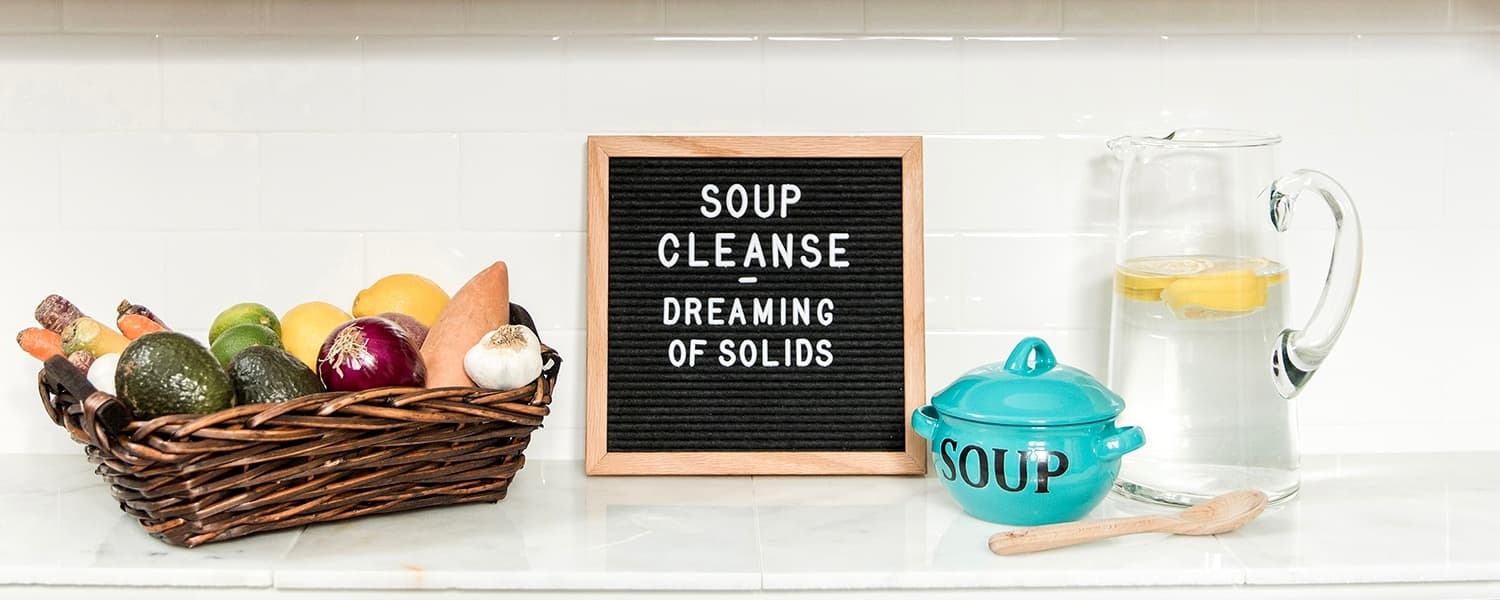
The soup cleanse had a pretty unanimous conclusion—it was miserable and pointless. We chose a soup cleanse because we thought warm soup on a cold day in February sounded better than juice. Plus, we hoped that soup wouldn’t cause major spikes and falls in our blood sugar, like juice would. Many cleanses promise health, vitality, and the ability to cure disease. One book even went so far as to say your kids would love you and their friends will want to hang out at your house. Who knew that cleansing could be so powerful! Despite what many self-proclaimed experts claim, unless you are in acute treatment for a substance use disorder, suffering from acute poisonings, or other such emergencies, your body does not need outside help to cleanse itself. You come into contact with toxins every day, and if you think about it, anything can be toxic given the right dose. For example, Tylenol is safe at the recommended dose, but toxic in high doses. So really, too much of anything can be harmful, including things that you wouldn’t think could be toxic, like water, oxygen, and even vitamins and minerals. Luckily, our bodies are designed to deal with varying levels of substances, from air to food to toiletries. Our livers, kidneys, and GI systems are so good at cleansing our bodies that we don’t need help from supplements or food. And I have yet to come across a well-designed, double-blind clinical research study that proves soup or juice (or any other cleanse) does anything but make you hungry and burn your money. Our takeaway message is: Serious toxicity levels or poisonings should be managed in an emergency room where true detoxification can take place. Our bodies can cleanse themselves, given we have a healthy liver and kidney. The best way to experience vitality and ward off disease is by eating a nutrient-rich, balanced diet, exercising, limiting alcohol, and not smoking. Detox diets lack scientific evidence and are often just used to make money. Don’t do a cleanse. How did the diet stack up nutritionally? I (Megan) am sure you won’t be surprised to learn that this diet lacked in almost every nutrient. It averaged 1,014 calories a day (well below what any of us typically eat), and only 41 grams of protein. No wonder we were all starving! During this cleanse, we did get enough fiber (35g) and vitamins A, C, K, folate, thiamine, and B6. Mineral wise, we got plenty of copper, iodine, manganese, and sodium, but we were lacking in all other vitamins and minerals. So this was definitely far from a well-balanced diet. It wasn’t a huge deal for three days, but also not ideal. From a nutritional standpoint, I definitely wouldn’t promote this. You could incorporate a few veggie-loaded soups into your normal diet, but you don’t need to only eat vegan, water-based soups. Our Team’s Quick Review Megan Ostler—MS, RDN, mom of 2, still breastfeeding There is no reason to do a cleanse, unless you want to be hangry and frustrated for three days. Read my review here. Michelle Alley—BS in nutrition, mom of 2, collegiate runner, training for a marathon If you want lowered energy levels and no excitment for food, then try the soup cleanse. Read my review here. Hannah Mann—Social media guru, busy mom, and regular gym goer One word to describe this cleanse: starvation. Read my review here. Trevor Mann—Marketing specialist, father to a stud, gym junkie, and sports fanatic This diet didn’t fulfill any of its promises and nothing was enjoyable to eat. There are much better ways to lose three pounds. Check out my experience here. Individual Experiences Megan Ostler I’m a little embarrassed to admit this, but despite all I know about nutrition and health as a dietitian, I got a little sucked into the cleanse mentality. Not too much, but while I was preparing, researching, and deciding what cleanse we would follow, I thought, maybe I will feel better, lighter, and “cleaner.” I love soup and I thought doing a liquid diet might be a nice break for my body. I was kinda looking forward to it and really keeping an open mind. I knew from science it wouldn’t actually cleanse my body of toxins, but maybe I would feel great and enjoy eating soup for three days in the bitter, cold winter. Well, the soup cleanse we did wasn’t a yummy minestrone or tomato bisque. The soups were all vegan, with mostly water, spices, veggies, and occasionally beans or grains. Because it lacked fat, it also lacked flavor, richness, and depth. So they weren’t exactly the yummy soups I savor in the winter. Not only were the soups disappointing, but the results were as well. I was starving after the first day and despite how much broth I “snacked” on, I couldn’t get satisfied and had no energy. Since I didn’t want to lose my milk supply for my daughter, I adapted the next two days and had larger portions with extra avocado and approved toppings, as well as increased levels of beans and quinoa. Still, all I could think about was food, specifically solid food. I didn’t experience a cleansing effect for my colon either. Everything GI wise was pretty normal for me, other than a growling stomach. I was also promised vitality, popularity, and all sorts of other ridiculous claims, none of which happened by the way. I didn’t get extra followers on Instagram and my kids didn’t appear to love me more—I feel lied to! (insert winky face) So in short, I know that these homeopathic “experts” selling these cleanses are great salespeople. Hey, I even thought there might be something to what they had to say, despite my knowledge, but when it came down to it, the cleanse was basically a low-calorie diet for three days. I lost two pounds, put it right back on, and had no energy. It didn’t do anything more than what you would expect soup to do. I can strongly say after doing the cleanse myself, that this one’s worth skipping. Hannah Mann I’m not going to sugarcoat it, this diet was horrible and I saw no benefits. From breakfast on the first day, I couldn’t get myself to eat even a small portion of the soup. I was starving the entire time. I would heat up a soup and add toppings when it came time to eat, but couldn’t get myself to eat more than a few bites before my appetite was completely lost. I started crying during dinner the first night because it was so hilarious how unappealing my meals had become. I was expecting some sort of cleansing effect to take place, so I pushed through to day two. But day two came and bathroom trips were still normal. I ended up sipping on iced herbal tea and starving for two days. By the end of the second night, I was feeding my son oatmeal before dinner. He wanted to grab the spoon and try to feed me the oatmeal. At first, I would reject it because it was against the cleanse. Then I would try to get him to take a few more bites, which was when I realized if I’m trying to get him to eat something healthy, but I’m showing him that I won’t eat it, why would he eat it? So I said forget it and took a bite of his oatmeal. After we went to bed, I made myself a quesadilla and loved every single bite. Michelle Alley What surprised me the most was how quickly I lost my appetite if I wasn’t excited about the meal I was going to consume. I found myself trying to force myself to eat the soup. Now in all honesty, a couple of the soups were pretty good, but I struggled with the fact that soup was my only option for three days. I struggled the most with eating it for breakfast. I am the type of person that’s excited to eat breakfast and it’s usually consumed immediately after I wake up. Well, during the cleanse, my breakfast wasn’t consumed until about 11:00 a.m. And that’s when I could stomach the soup. During the cleanse, you’re not supposed to do any exercise, other than yoga. I thought for sure I’d be hitting my yoga mat, but I quickly found I was lacking all energy. I napped often and even thought about just sleeping through the three days, so I could get through it. I was just so hungry! The majority of the time I felt like I was starving myself, which I basically was. The only time I wasn’t distracted by my hunger was if I was sleeping. There’s a reason that cleanses are meant to be short-lived, as they’re not a sustainable diet. And because they’re so short-lived, it’s hard to tell if they actually provide any benefits. Personally, I don’t think I received any benefit from the cleanse. I lacked all energy and found my brain foggy. I often forgot what I was working on or what I was supposed to be doing. And when my girls wanted to play outside in the snow, an activity that I enjoy with them, I found myself struggling to get off the couch. But then the mom guilt would sink in and I’d finally trudge out into the cold, a little bittered by the fact that I wouldn’t get to warm up with a cup of cocoa after. As for the actual “cleanse” effects (i.e. overachieving digestion), I had more of a cleanse effect with Whole30 than I did with this. While the soups did provide more diverse nutrients, protein, and fiber than other cleanses we looked into, a cleanse is absolutely not necessary for a healthy diet. Trevor Mann The soup cleanse has been the hardest diet so far. Not necessarily because the recipes didn’t taste good, but eating soup and broth for every meal/snack got really old. I tried to supplement more beans into my diet so that I could get as much protein as possible, but I still felt unsatisfied after my meals. I dreaded my next meal because I knew I wasn’t only going to be hungry after, but I wasn’t going to enjoy it either. I don’t typically crave any sort of food, and I do really well not eating sweets. During this diet, all I could think about was eating a big juicy burger and counting down the seconds until I could get one. My fitness goal isn’t to lose weight, but to gain muscle mass. Maybe if I was at a different stage in my fitness goals where I needed to trim down a few pounds quickly, this could be an option. I lost three pounds during the three days on the diet, even though I feel like it was just water weight and didn’t make any difference to my body composition. My energy levels on a daily basis were a little less than normal. Overall, I wasn’t a fan of the diet. I didn’t see any of the benefits that the diet creator promised, which makes me believe there are more enjoyable ways to lose three pounds. WARNING: This post is not intended to replace the advice of a medical professional. The above information should not be used to diagnose, treat, or prevent any disease or medical condition. Please consult your doctor before making any changes to your diet, sleep methods, daily activity, or fitness routine. iFit assumes no responsibility for any personal injury or damage sustained by any recommendations, opinions, or advice given in this article.‘
March 16, 2018