Soluble and Insoluble Fibers: Why We Need Both!
Fiber has been a hot topic nutrient lately...but do you know why? Fiber intake has been identified as a public health concern, because the intake of the average American is so low. Most people in the U.S. are consuming, on average, about 15 grams per day. The recommended amount is 14 grams per 1,000 calories, which means about 25g for women and 38 grams per day for men under 50.
So what, exactly, is fiber, and why aren’t people eating enough? Fiber is a carbohydrate that is indigestible by humans and is found mostly in whole grains, legumes, vegetables, and fruit. Many Americans are consuming diets high in processed and refined grains, meats, and dairy which lack significant amounts of fiber.
Benefits of Fiber
Fiber takes longer to move out of our stomach and provides bulk without calories. This can help with weight loss or maintenance by helping people to avoid overeating. It can also help to lower cholesterol, prevent inflammation, stabilize blood sugar levels, and prevent insulin resistance, which helps to decrease the risk of heart disease and type 2 diabetes.
Types of Fiber
There are many types of fibers, all with different properties and benefits. However, they are generally classified as soluble or insoluble fibers. In other words, fibers that will dissolve in water and fibers that won’t.
Soluble fiber is like scrubbing bubbles. It dissolves in water, creating a gel that cleans our GI tract as it moves through. This is the fiber that helps to lower cholesterol, slow digestion, and may have a beneficial effect on blood sugars levels. Soluble fibers are fermentable and help encourage the growth of healthy gut bacteria. Excellent sources of soluble fiber include legumes, oats, barley, nuts, flaxseeds, fruits, and vegetables.
Insoluble fiber is like a scrub brush. It helps increases movement through the GI tract and prevents foods from sitting in the GI tract for too long. This helps with constipation, overall GI health, and may help with the prevention of GI disorders such as diverticulosis and possibly colon cancer. Some insoluble fibers are also fermentable and help encourage the growth of healthy gut bacteria. You can find them in whole grains, wheat bran, nuts, seeds, fruits, and vegetables.
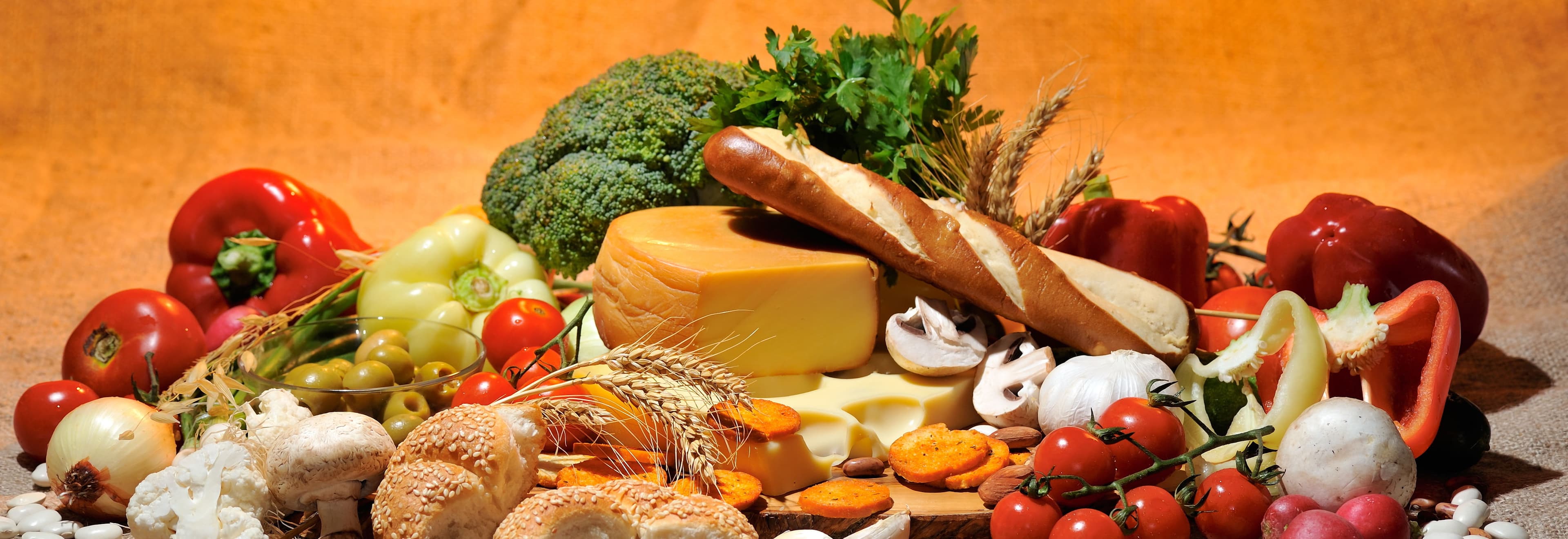
Both types of fiber are important for overall health. That’s why it is important to include a variety of whole grains, legumes, fruits, and vegetables in your diet. Below is a list of some excellent high-fiber foods.
| Fruits | Serving size | Total Fiber (grams) |
| Raspberries | 1 cup | 8.0 |
| Pear, with skin | 1 medium | 5.5 |
| Apple, with skin | 1 medium | 4.4 |
| Bananas | 1 medium | 3.1 |
| Orange | 1 medium | 3.1 |
| Strawberries | 1 cup (halves) | 3.0 |
| Grains, Cereal & Pasta | ||
| Spaghetti, whole-wheat, cooked | 1 cup | 6.3 |
| Barley, pearled, cooked | 1 cup | 6.0 |
| Bran Flakes | ¾ cup | 5.3 |
| Oat bran muffin | 1 medium | 5.2 |
| Oatmeal, instant, cooked | 1 cup | 4.0 |
| Popcorn, air-popped | 3 cup | 4.0 |
| Brown rice, cooked | 1 cup | 3.5 |
| Bread, rye | 1 slice | 1.9 |
| Bread, whole-wheat or multigrain | 1 slice | 1.9 (may vary) |
| Legumes, Nuts & Seeds | ||
| Split peas, cooked | 1 cup | 16.3 |
| Lentils, cooked | 1 cup | 15.6 |
| Black beans, cooked | 1 cup | 15.0 |
| Lima beans, cooked | 1 cup | 13.2 |
| Black beans, canned, cooked | 1 cup | 10.4 |
| Sunflower seed kernels | ¼ cup | 3.9 |
| Almonds | 1 ounce | 3.5 |
| Pistachios | 1 ounce | 2.9 |
| Pecans | 1 ounce | 2.7 |
| Vegetables | ||
| Artichoke, cooked | 1 medium | 10.3 |
| Green peas, cooked | 1 cup | 8.8 |
| Broccoli, boiled | 1 cup | 5.1 |
| Turnip greens, boiled | 1 cup | 5.0 |
| Brussels sprouts, cooked | 1 cup | 4.1 |
| Sweet corn, cooked | 1 cup | 4.0 |
| Potato, with skin, baked | 1 small | 3.0 |
| Tomato paste | ¼ cup | 2.7 |
| Carrot, raw | 1 medium | 1.7 |
(http://www.mayoclinic.org/healthy-lifestyle/nutrition-and-healthy-eating/in-depth/high-fiber-foods/art-20050948)
WARNING: This post is not intended to replace the advice of a medical professional. The above information should not be used to diagnose, treat, or prevent any disease or medical condition. Please consult your doctor before making any changes to your diet, sleep methods, daily activity, or fitness routine. iFit assumes no responsibility for any personal injury or damage sustained by any recommendations, opinions, or advice given in this article
You might also like
Series Feature: Mood Food: Nutrition for Your Mind
Head to the kitchen for the delicious Mood Food: Nutrition for Your Mind Series with iFIT Guide Dr. Eva Selhub! About iFIT Guide Dr. Eva Selhub Board Certified in Internal Medicine, iFIT Guide Dr. Eva has extensive knowledge of the body and how it works. She combines this knowledge with alternative forms of medicine to help others transform their health and well-being. Dr. Eva encourages others to strive for physical, mental, and spiritual health through redefining their approach to health and fitness. Her goal is to translate complex scientific and medical information into practical and usable knowledge that everyone can access to improve their lives. About the workouts In this 12-part food adventure, Dr. Eva will take a deep dive into all aspects of food, nutrition, and health as they relate to your body and mind. You’ll learn how to eat mindfully to help your brain, your microbiome, your mood, and so much more as Dr. Eva takes you to the iFIT Kitchen. At the end of every video, she’ll challenge you with short exercises that you can do daily or weekly to start implementing these healthy practices into your daily life. Take control of your health and learn more about what your body and mind need to fuel itself! About iFIT Mind™ iFIT Mind offers unique, groundbreaking content that expands the definition of what it means to work out. You’ll learn from experts in both physical and mental training to help you become the best version of yourself through mindfulness, meditation, and movement. You can support your nutrition journey with our printable recipe book, created by Dr. Eva. In it, you’ll find recipes to help you incorporate vegetables and protein into your diet, from breakfast to dinner. Ready to get started? Join this series now! Disclaimer: This blog post is not intended to replace the advice of a medical professional. The above information should not be used to diagnose, treat, or prevent any disease or medical condition. Please consult your doctor before making any changes to your diet, sleep methods, daily activity, or fitness routine. iFIT assumes no responsibility for any personal injury or damage sustained by any recommendations, opinions, or advice given in this article. Always follow the safety precautions included in the owner’s manual of your fitness equipment.
May 12, 2021

Exercise While Taking GLP-1: A Muscle-First Plan
Navigating a calorie deficit on GLP-1 medications often brings unexpected side effects like lower energy and fatigue. Pushing through exhaustion isn't the answer—moving smarter is. This muscle-first guide dives deep into the essential lifestyle pillars that support your training consistency. Learn how precise hydration habits defend against fatigue, and discover the striking science of how sleep duration directly impacts your body composition during weight loss. Complete with a flexible, one-week sample schedule, this guide shows you how to adjust your training intensity on tired days so you can protect your progress without overexertion.
May 26, 2026
Apple Rose Pie
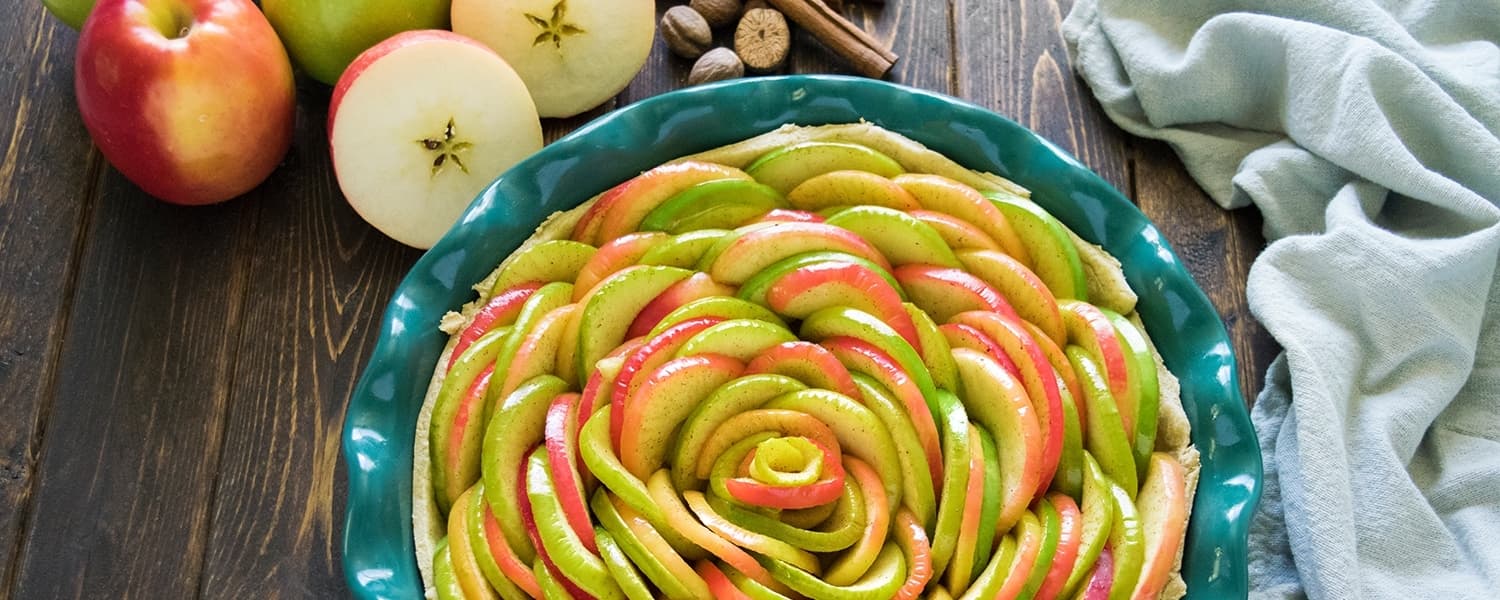
Ingredients For the pie crust ½ cup all purpose flour ¾ cup whole wheat flour 1 tablespoons sugar ¼ teaspoon salt 2 tablespoons cold unsalted butter, cut into small pieces 2 Tablespoons nonfat Greek yogurt 1 ½ tablespoons vegetable oil 2 tablespoons ice water For the filling 3 Pink lady apples 3 Granny Smith apples 1 tablespoon lemon juice ¼ cup brown sugar ¼ cup granulated sugar 1 teaspoon cinnamon ¼ teaspoon nutmeg Directions Combine flour, sugar, and salt in a medium bowl. Cut in butter with a pastry blender until crumbly. Mix in the Greek yogurt and vegetable oil. Add water, 1 tablespoon at a time, and combine with a fork until the mixture can form a ball. Lightly flour some plastic wrap, then place the dough on top. Flatten out dough. Cover with plastic wrap, then place in the fridge for 20 minutes. While dough is chilling, preheat oven to 425°F. Remove dough from fridge. Roll out on a floured surface to ⅛ thickness. Place dough in a 9-inch pie pan, then trim the edges. While oven is preheating cut the apples into thin semi-circle shapes leaving the skin on. Toss the apples in a large pot with the lemon juice, brown sugar, granulated sugar, cinnamon and nutmeg. Heat on medium high heat just until the apples are soft enough to bend without breaking about ten minutes. And remember to save the juice. Carefully arrange the apple slices around the apple pie crust starting with the outside and making your way to the center of the pie. Once you get to the center of the pie take small pieces and bend them around each other to create the center of the rose. Try to make the apples as compact as possible and go back and fill in any spots as necessary. You should be able to get all six apples in it. Drizzle the leftover juice over the apples and bake for 30-45 minutes. Cut into 8 equal slices and enjoy! NUTRITIONAL INFO PER SERVING Calories 240 (50 from fat) Total fat 6g Saturated fat 2g Cholesterol 10mg Sodium 75mg Carbohydrate 45g (5g dietary fiber, 26g sugar) Protein 3g WARNING: This post is not intended to replace the advice of a medical professional. The above information should not be used to diagnose, treat, or prevent any disease or medical condition. Please consult your doctor before making any changes to your diet, sleep methods, daily activity, or fitness routine. iFit assumes no responsibility for any personal injury or damage sustained by any recommendations, opinions, or advice given in this article.
May 13, 2017