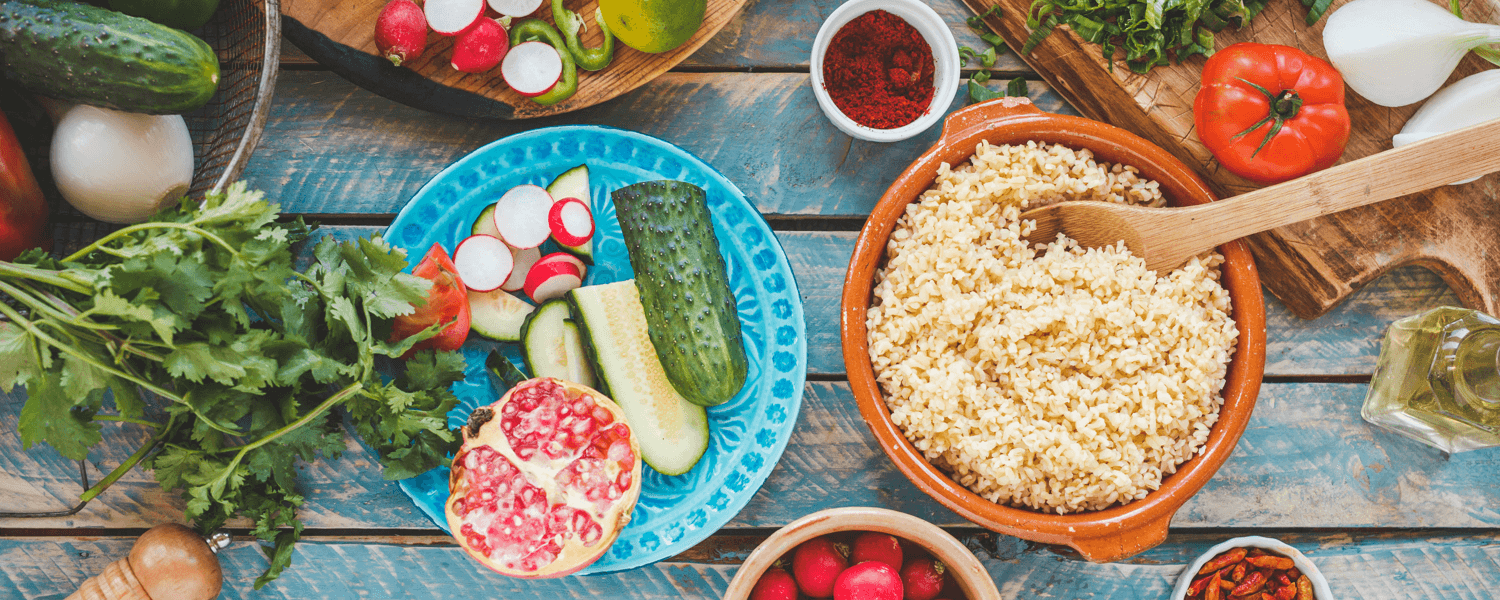
The Benefits of Meatless Monday
Following a vegetarian or vegan diet? While only about 3.3% of Americans follow these guidelines, according to a 2016 survey, many are looking into making their diet more plant-based. This ideology can be beneficial both for your health and the environment. It is estimated that one pound of protein from kidney beans requires 18 times less land, 10 times less water, nine times less fuel, 12 times less fertilizer, and 10 times less pesticide than producing one pound of beef. Also, there are concerns about manure and water pollution, as well as carbon dioxide, methane, and nitrous oxide production. That isn’t to say that meat and dairy can’t have a place in a healthy diet, and farmers and ranchers work hard to improve sustainable farming practices all the time. However, many erroneously believe that a healthy meal consists of meat and vegetables only.
My favorite thing about Meatless Monday is that it helps people explore other options in the kitchen. One of my coworkers told me she wouldn't even know where to begin when making a meatless dinner, because meat is always at the center of her meals. Now meat certainly has its nutritive qualities, such as protein, iron, B12, and zinc, for example. However, you can get most of these nutrients from plants, and plants provide phytochemicals and beneficial fibers, as well as protein, vitamins, and minerals. Most of us could certainly stand to incorporate more plant foods in our diets, especially fruits, vegetables, and whole grains. Also, with a little planning and adequate calories, we can get enough protein, even for muscle building. While I don’t think everyone needs to follow a strict vegetarian diet, I certainly am a proponent of using Meatless Monday as a way to explore how to incorporate more plants into our diets in a delicious way.
Where to start
There are a few ways to start thinking about incorporating Meatless Monday into your life. First, you could think of some of your favorite foods that contain meat, and replace the meat with something else. For example, bean tacos, veggie burgers, or tofu in curry instead of chicken. Another approach is to make dishes that you don’t normally associate with meat.
This is my husband’s favorite way to do Meatless Mondays, because otherwise he feels like he is missing out. So we often make pizza, pasta dishes, rice or quinoa bowls, and salads without meat, because he doesn’t feel like meat is a “requirement.” I may never get him on board for veggie burgers (although I love them!), but I have been able to find many meatless options that he loves. I incorporate lots of different veggies, legumes, and whole grains to get a good amount of protein and fiber, which keeps us full and satisfied. I also often use dairy when cooking my meatless meals for added protein, calcium, vitamin D, and more, but you don't have to.
Remember that vegetarian and vegan meals can be nutritionally adequate when planned well, and they are a great way to focus on getting enough vegetables into your diet. Need some inspiration? We have over 400 vegetarian recipes on our blog, and 180 of those are vegan. Grab a knife, and let's start transforming mundane Mondays into culinary adventures!
Megan Ostler MS, RDN
You might also like

Why waiting until you're thirsty is already too late
Thirst isn't always a reliable signal. Learn why proactive hydration matters more before a hard workout.
October 7, 2026

Series Feature: Mood Food: Nutrition for Your Mind
Head to the kitchen for the delicious Mood Food: Nutrition for Your Mind Series with iFIT Guide Dr. Eva Selhub! About iFIT Guide Dr. Eva Selhub Board Certified in Internal Medicine, iFIT Guide Dr. Eva has extensive knowledge of the body and how it works. She combines this knowledge with alternative forms of medicine to help others transform their health and well-being. Dr. Eva encourages others to strive for physical, mental, and spiritual health through redefining their approach to health and fitness. Her goal is to translate complex scientific and medical information into practical and usable knowledge that everyone can access to improve their lives. About the workouts In this 12-part food adventure, Dr. Eva will take a deep dive into all aspects of food, nutrition, and health as they relate to your body and mind. You’ll learn how to eat mindfully to help your brain, your microbiome, your mood, and so much more as Dr. Eva takes you to the iFIT Kitchen. At the end of every video, she’ll challenge you with short exercises that you can do daily or weekly to start implementing these healthy practices into your daily life. Take control of your health and learn more about what your body and mind need to fuel itself! About iFIT Mind™ iFIT Mind offers unique, groundbreaking content that expands the definition of what it means to work out. You’ll learn from experts in both physical and mental training to help you become the best version of yourself through mindfulness, meditation, and movement. You can support your nutrition journey with our printable recipe book, created by Dr. Eva. In it, you’ll find recipes to help you incorporate vegetables and protein into your diet, from breakfast to dinner. Ready to get started? Join this series now! Disclaimer: This blog post is not intended to replace the advice of a medical professional. The above information should not be used to diagnose, treat, or prevent any disease or medical condition. Please consult your doctor before making any changes to your diet, sleep methods, daily activity, or fitness routine. iFIT assumes no responsibility for any personal injury or damage sustained by any recommendations, opinions, or advice given in this article. Always follow the safety precautions included in the owner’s manual of your fitness equipment.
May 12, 2021

Exercise While Taking GLP-1: A Muscle-First Plan
Navigating a calorie deficit on GLP-1 medications often brings unexpected side effects like lower energy and fatigue. Pushing through exhaustion isn't the answer—moving smarter is. This muscle-first guide dives deep into the essential lifestyle pillars that support your training consistency. Learn how precise hydration habits defend against fatigue, and discover the striking science of how sleep duration directly impacts your body composition during weight loss. Complete with a flexible, one-week sample schedule, this guide shows you how to adjust your training intensity on tired days so you can protect your progress without overexertion.
May 26, 2026