Stress
iFit Workouts to Strengthen Your Mind
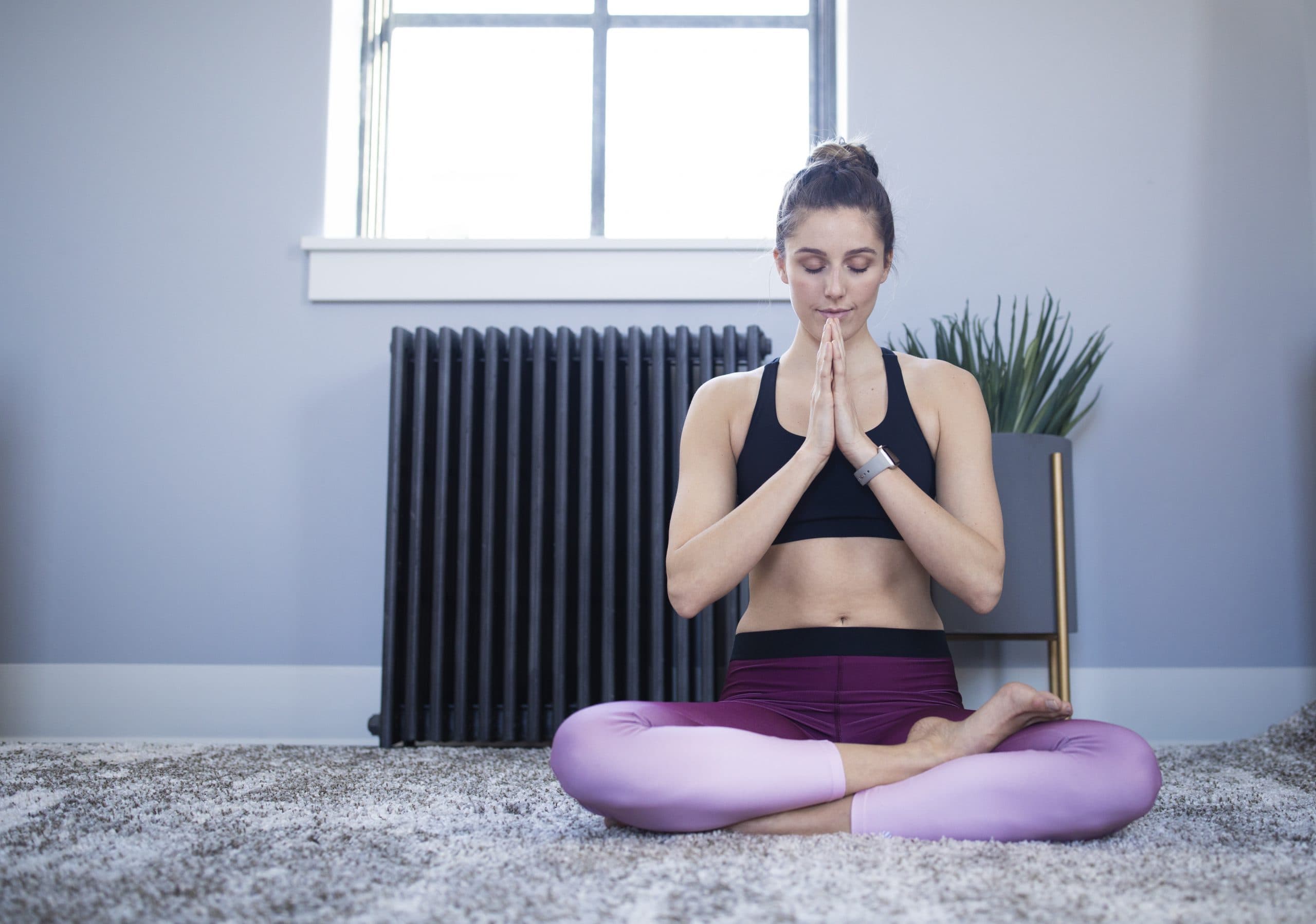
World Mental Health Day is observed on October 10 each year. This globally recognized day is focused on raising awareness of mental health issues around the world and mobilizing efforts in support of mental health. Research shows that exercise may have a positive effect on your overall mental health. We all know the feeling of pride and accomplishment after completing a workout, but focusing specifically on your mental health is another way to improve your overall well-being. At iFit, we know that a strong mind is just as important as a strong body. That’s why we have introduced several series that are focused on mental health to help you strengthen your mind through motivational messages, meditation practices, and even a series focused on quality, restful sleep. Here are some of the wellness series available in the iFit Library: In this series, you’ll walk with sports psychologist and iFit Guide Dr. Jarrod Spencer. He’ll explain the mental health issues athletes often struggle with, like anxiety, depression, anger, confidence, vision, hurdles, and energy. He’ll provide you with tools to conquer these issues, along with stories of famous athletes, including Tiger Woods, Serena Williams, Stephen Curry, and Landon Donovan. Join this Series In this audio series, iFit Guide Kevin Courtney will guide you through basic practices of meditation that are intended to generate a calm and stable mind. As the series progresses, Kevin introduces more advanced techniques to enhance focus, cultivate awareness, and ultimately help you find your way to a bright, luminous mind. Join this Series This unique series with iFit Guide Jason Stephenson will help you slow down at the end of the day and peacefully transition to healing rest. He will help you overcome loud subconscious thoughts, calm your mind, and enter a deep state of tranquility. Join this Series iFit Guide Dr. Shauna Shapiro will lead you through six mindful walks, teaching you science-based practices of mindfulness and self-compassion. Her goal is to rewire your brain to bring about lasting change that can help transform your life. You'll learn specific practices to help you improve your sleep, increase your body positivity and self-esteem, and cultivate greater coping tools to manage your stress. Join this Series We hope you’ll join our iFit Guides for these unique, enlightening series, focused on your mental health and well-being.
October 20, 2020
Read More
4 Stress Relief Apps to Help You Unwind
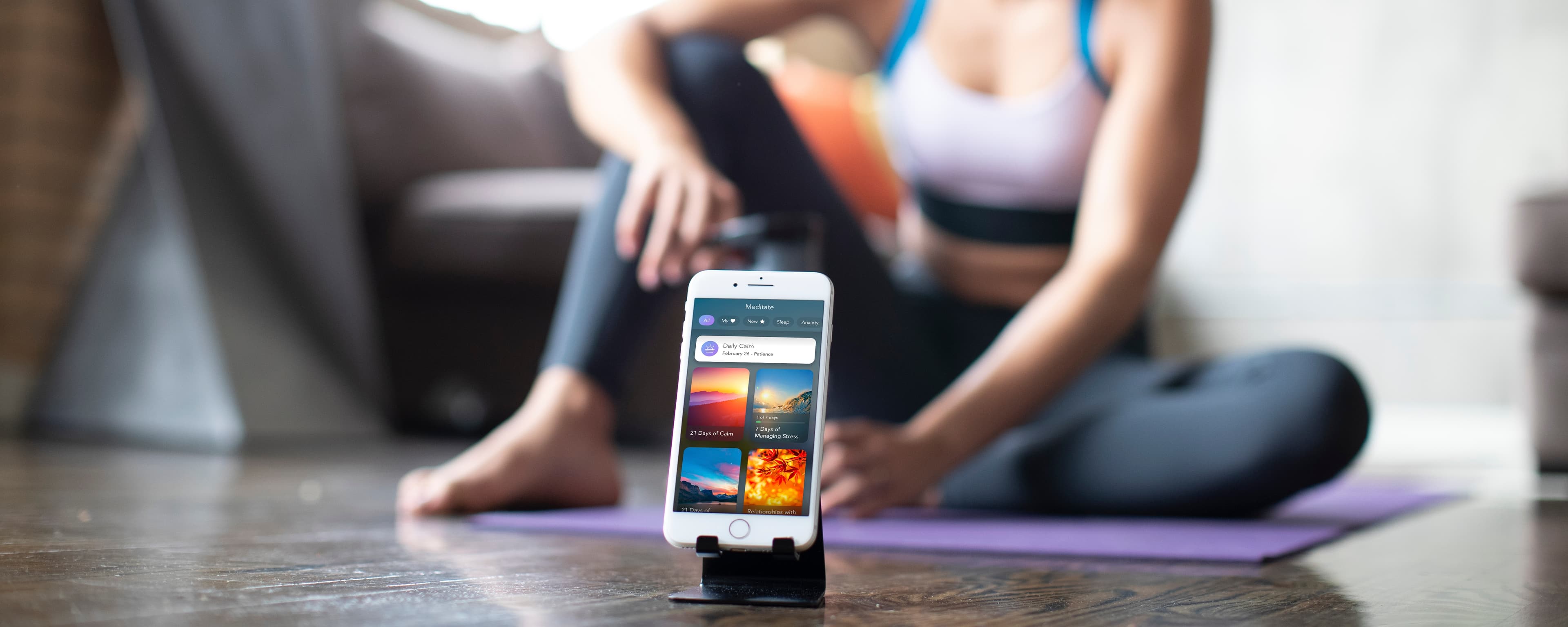
Did you know that April is Stress Awareness Month? At iFit, we love taking any opportunity we can to raise awareness and improve your overall health. When my work and life become busy and chaotic, emails, text messages, and calls seem to be blowing up on my phone nonstop. Sometimes, I even switch my phone on "Do Not Disturb" mode and toss it as far away from me as possible, just so I can take a moment to breathe. What I hadn’t realized is that my phone can also act as a tool to help me destress. It’s true! There are hundreds of apps available on your phone that can act as resources to relieve stress and help you unwind. After doing some research, here are my top four stress relief apps, tested, rated, and reviewed by yours truly. 1. Calm Visually, Calm is everything you expect from a stress relief app. Its use of cool colors, natural scenery as backgrounds, and sounds of nature that play while the app is open are automatically relaxing. Every day, you are offered a Daily Calm activity, which is an audio-guided meditation, aimed to focus on a certain issue...for example, work stress. If you’re like me and have a hard time closing your eyes and just focusing on audio, Calm offers a relaxing scenery of a lake and background audio to go with it (you can also choose different scenery from the settings). You can link your Daily Calm activity to Siri and have her play it for you without going through the app. You can also set a mindfulness reminder, share your statistics, and view your streaks (how many days you’ve meditated in a row). You can access the soothing music library, different meditation programs, and even listen to masterclasses on topics such as Mindful Parenting. 2. Headspace: Meditation & Sleep Visually, what sets Headspace apart is its use of bright colors and animated characters. When prompted for my reason behind using Headspace, I selected Stress & Anxiety. It also asked me my level of experience with meditation, making the app feel slightly personalized (although they all do). The free trial of headspace includes 10 meditation sessions over a span of 10 days. From there, you have to subscribe to unlock premium usage. You can customize the length of your meditation sessions, choose from their extensive library, track your progress, and save it to Apple Health Kit. To help you sleep, there are different audio experiences that you can choose from, including sleepcasts and sleep music. Aside from meditation programs, the app includes Eyes-open Exercises, Headspace for Kids, Single Meditations (for when you don’t have much time), and six SOS sessions to give you relief during meltdown moments. 3. Breethe Every day, Breethe gives you a recommended Daily Breether, a 10-minute meditation that targets a different theme each day, based on your personal goals. The Meditation library is organized, based on different genres or needs, such as Anytime, Anywhere, Life Situations, Themed Weeks, Kids & Family, and even Less Guidance. The Less Guidance meditations are a convenient feature, because they offer minimal verbal guidance, blended with music, nature, sounds, or silence. These are perfect if you’re looking to let your mind rest without a voice telling you when to breathe or what to let go of. Breethe also includes hypnotherapy sessions, inspirational talks, masterclasses, and calming videos to help you relax. In the sleep section, you can find Bedtime Stories, Visualizations, and Sleep Music & Nature Sounds to help you fall asleep. 4. Aura Aura first asks you how mindful, positive, or stressed you tend to be, then asks you to choose a time for a daily, 3-minute moment to yourself, You tie that moment to an existing habit; for example, after showering or first thing at work. You can also set a different time for weekends. In order to unlock all of the content inside Aura, you must complete your first, 3-minute meditation. The nice thing about Aura is that it will ask you how you’re feeling each day before giving you a recommended meditation. Aura also uses a subscription method, where you can subscribe to certain channels, speakers, stories, and music. There is also an online community within the app where people can share their experiences with specific meditations, then recommend them to others. All of these are great resources, and there are many more out there! Be sure to do some research and find what works best for you!
April 20, 2020
Read More

Favorite Self-Care Rituals
Between tight deadlines at work and social obligations, it can be hard to schedule time for yourself. Any type of self-care routine can quickly fall to the bottom of your list of priorities. But it turns out that doing even the smallest actions of self-care are an important part of maintaining a healthy lifestyle. Everyone’s routine can look different, but here are some of my favorite self-care rituals that I like to implement each day! Do restorative yoga. A lot of times, we coast through the day on auto-pilot, and we're not in tune with how we feel mentally or physically. Restorative yoga is a great outlet to check in with yourself, focus on your breathing, and assess any physical or mental pain that you may be feeling. Research even shows that being in a restorative state can bring the body toward calmness, alertness, and engagement, and away from the stress we typically experience. Eat a healthy meal. When hearing the words “self-care,” sometimes we automatically think of bingeing on our favorite family-sized bag of chips. Try treating yourself to foods that are nourishing! Not only will you feel good about it, but you’ll also feel happier, energized, and more focused in general. Focus on a hobby. Think about what you enjoy doing, then find an opportunity to pursue it. Whether you pick up a new activity or dust off an old hobby, taking the time to focus on something you enjoy can help you unwind and take a break from your daily routine, leading to reduced stress and a new opportunity to explore your talents. Drink enough water. Even though almost all of the major systems in your body depend on water, it can be hard to keep up with hydration. To make sure you're getting enough every day, we recommend drinking from a clear water bottle that has measurements on the side, so you can see how much you're actually consuming. Prepare the night before. Way too often, we’re rushing out the door every morning, which leaves little time to focus on the day ahead. By preparing the night before, like laying out an outfit or making lunch, you'll find that you have more time in the morning. That way, you can visualize what your day is going to look like, leading to feeling less rushed and more focused. It’s easy to put your own needs on the back burner, but self-care is something necessary if you want to function your best, not only for others but for yourself, too!
February 11, 2020
Read More

Fun Ways to Unwind with Your Significant Other
We all feel stressed from time to time. Work might pile up, the kids might test your patience, or you might have a big event coming up. Whatever the cause, stress changes the way we interact with the people around us. When you or your partner are feeling stressed, there might be tension between you or things might not be going as smoothly as they usually do. Working with your partner to plan a big event, especially during wedding season, can be particularly straining. If you’re planning your big day, a party for a friend, or organizing travel plans to see loved ones tie the knot...it can be overwhelming. You might not agree on everything, and that’s okay. The important thing is to compromise and know when to let things go. Regardless of what is making you feel overwhelmed, it is important to take a step back and remember the things that you value most—especially the people. We tapped into our own iFit team for some advice on what they do to destress with their S.O. When times get a little tough, here are some fun ways you can destress with your significant other! Talk it out & listen Having a conversation when things are getting tense is a great way to get back in sync. If you see signs of stress in your partner, just ask them what’s going on and listen. Licensed clinical social worker and author of “Every Day Love: The Delicate Art of Caring For Each Other,” Judy Ford says that listening is a crucial aspect of making our partner feel cared for. In return, when we are listened to, we also feel cared for. Ford also advises “comfort each other first, problem solve second,” so simply talking about your feelings and making sure both of you feel comforted is important before diving into possible solutions. Make time for intimacy Physical intimacy is so important in relationships, and not just because it’s an expression of love (and fun). Sex can help boost your mood as it stimulates certain parts of your brain that not only give you pleasure, but relax and destress you, as well. When we get busy or stressed, sex often gets put on the backburner. If busy schedules have put a damper on your time for physical intimacy, make time. Hang out in bed during the day, take a nap together, or take a bath together—you’ll both be thankful and feel more relaxed! Plan a date night Going out on a simple date can be a great way to reset. Something as easy as seeing a movie or grabbing a quick bite to eat outside of the house can help you both unwind and distract you from whatever is going on. As you plan out your week, make sure you make room for some quality time with your significant other. If you have kids, hire a nanny for a few hours on a Friday night, send them to a friend’s house, or you can have a late night, at-home date once they’re in bed. However you do it, it’s important to make time for you and your partner to just hang out. Forget your devices More than just a tool to keep ourselves in communication with the outside world, our phones can be a huge distraction. Even when work isn’t crazy, I often catch myself refreshing emails at 8 p.m. or scrolling through Instagram while my boyfriend and I are sitting on the couch. Going on a walk, cooking dinner, or watching a movie sans mobile devices can help you make sure the time you’re spending with your partner is quality time. Play outside Working eight hours a day, five days a week, indoors, under fluorescent lights, and staring at a computer is not necessarily the definition of a healthy lifestyle. For a lot of us, that’s our regular routine from Monday through Friday. I love my job...but sometimes my surroundings can make me feel cooped up and stressed. If you’re suffering from cabin fever, grab your significant other and go outside for a walk! Plan a weekend hike or a beach day. Being in nature improves your mental and physical health—so you’ll both feel better! Try something new Although tradition is great, maybe opt for something new instead of going for the usual date night spot or activity. Opening your mind to a new experience or place can be really exciting and help you avoid boredom. It also gives you and your partner a chance to find something new that you love (or something that you both hate, laugh about, and never do again). You can check your surrounding areas for what you can do, but some suggestions are rock climbing, axe throwing, or hitting a trampoline park. Exercise together Whether it’s going on a quick run, going to the gym together, or even taking the dogs out to the park for a game of frisbee, exercising together can be a great way for you and your partner to unwind. Focusing your mind on a physical activity will help you forget about the things that are stressing you out. Plus, when you exercise, your body releases endorphins and other feel-good neurotransmitters that will help you feel more relaxed and boost your mood! Think outside of the box No matter what you do to destress with your partner, the important thing is that you are doing it together. You don’t need a crazy date night, vacation, or life-changing meal to get back to a good place, because, ultimately, it’s about the love you have for each other and enjoying each other’s company. Bring up an old inside joke, put on a show you both love, or listen to some music and dance around. Just when you’re present mentally and enjoying each others’ company can make a world of difference.
June 5, 2019
Read More
The Best Ways to Organize Your Pantry
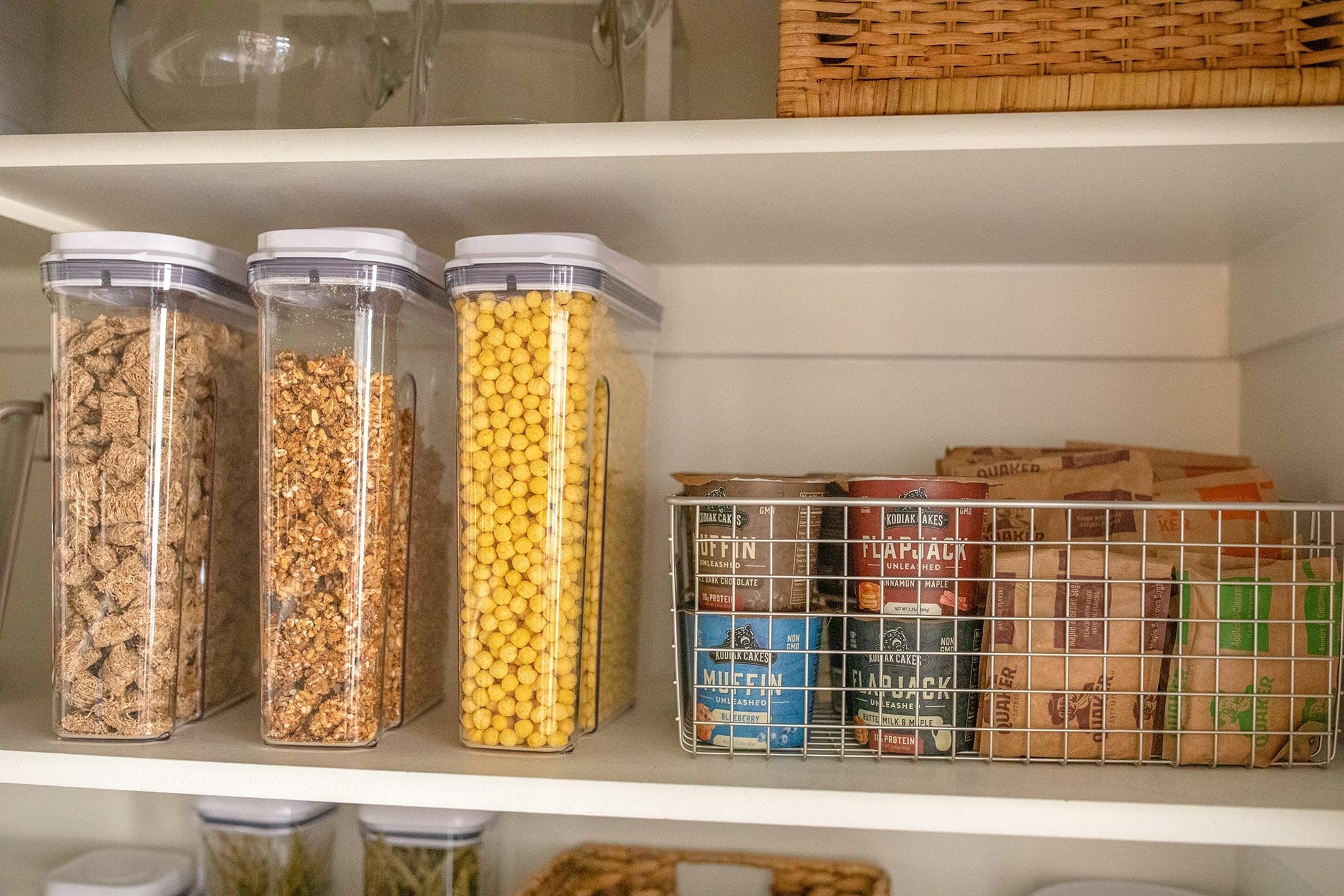
Nothing sparks joy quite like an organized pantry. Like many of you out there, we find that our pantry is the first place to get messy, cluttered, and filled with food that we end up forgetting about. We think of it as the black hole of the kitchen. Additionally, the pantry is often the temptress of unhealthy food choices. The cookies, leftover Easter candy, and other occasional indulgences are definitely not the most nutritionally sound food choices. We've found that proper pantry organization is not only visually appealing, but can also lead to healthier food choices. Here are some of our favorite tips for a beautiful and functional pantry. Love our look? Here is a list of the items we used to organize, as well as some additional iFit favorites. We also found a lot of great organization solutions at Ikea (linked throughout) that we incorporated in our pantry. Your pantry storage basics Citrus: Store lemons, limes, grapefruit, and oranges in your pantry, not your fridge. Place them in net fruit bags to ensure they won't be forgotten! Potatoes and tomatoes: Store in a dark, cool part of your pantry, not your fridge where they can easily be seen, so you use them before they go bad. Rice, beans, and nuts: Transfer dry foods such as rice, beans, and nuts into clear, airtight containers. This will prolong the life of your food and allow you to see what you have (so you prevent repurchasing the same items). Canned foods: Place on either a rack organizer or in wire baskets, so you know what you have (and don't end up with 10 cans of black beans...we've all been there!) Staples: Store pantry staples (check out our pantry staples here) in clear bins. That way, you can see what you have and maximize storage. Organization tips for healthier eating Now that you have a thorough understanding of how to properly store your food, let's talk about organization strategies that lead to good health. We still want you to have the indulgent treats you enjoy...we just want to make sure that you are grabbing healthier snacks more often! Healthy snacks: Place easy-to-grab snacks on the top and middle shelves in your pantry, so they are the first things you see. Some good options are nuts, seeds, whole grain crackers, dried fruits, rice cakes, roasted seaweed snacks, and popcorn. Treats: Place treats high up in your pantry in solid containers or wicker baskets, so they aren’t the first thing that you see. Check the clear containers of grains, dry beans, and canned goods at the beginning of each week as a reminder of what you already have on hand. This is a great way to plan meals for the rest week without having to buy a ton of groceries. Delegate a basket for half-eaten snacks. Eliminate the need to "finish the bag" by tapping into your hunger cues. When you're full, placed the unfinished snack in a basket. Then, if you are in the mood for something small later on in the day, you can finish them. This is also a great way to reduce food waste! We hope these storage and organization tips inspire you to turn your pantry into something a professional organizer would be proud of. Not only will you feel accomplished and less weighed down by the random and unnecessary stuff that might be cluttering your pantry, but you will be setting yourself up for healthy eating success! If you'd like to learn about proper refrigerator storage and organization, be sure to check out our blog post here. Happy organizing!
April 11, 2019
Read More

What You Can Do about Stress
It may sound cliché, but know that it’s true when I say: Life is stressful! Work piles up, your kids demand more than you can handle, or you feel like you’re surrounded by chaos. Maybe you and your spouse are fighting more than usual and you can’t pinpoint why? Or you’re finding yourself in a permanent cloud of moodiness? When life seems to ask for more than we can handle, our bodies start to feel emotionally and physically tense. April is Stress Awareness Month, and in honor of that, we’re identifying the negative effects of stress on your health, and a few ways to help you tackle it! There are two main types of stress: Acute and chronic. As defined by Medline Plus, acute stress is a short-term reaction that can help you manage dangerous situations and also occurs when you are doing something new or exciting. Slamming on your breaks or skiing down a steep slope are situations where you might feel acute stress. Chronic stress lasts for a longer period of time, and is defined as any type of stress that goes on for weeks or months. Situations that can result in chronic stress are if you have money problems, an unhappy marriage, or constant trouble at work. Chronic stress could potentially lead to greater health issues. According to the Mayo Clinic, stress can negatively affect your body, mood, and behavior in many ways. When you suffer from chronic stress, your body experiences stress symptoms, even when you aren’t facing a stressful situation. According to Medline Plus, this puts you at risk for health problems such as high blood pressure, heart disease, diabetes, obesity, depression, anxiety, skin problems, and menstrual problems. Now, let’s get to the good stuff. There are so many things you can do to tackle stress. Exercise Regular physical activity pumps up your endorphins (your brain’s feel-good neurotransmitters). A quick run or fast-paced game of racquetball can help you forget your daily stressors while you concentrate on your body’s movements. Exercise can also help increase your self-confidence, relax you, and lower the symptoms associated with mild depression and anxiety. It can also improve your sleep, which is often disrupted by stress. Even just walking can help. Try this walking series with iFit Trainer Kristy Godso next time you’re stressed! Yoga Yoga is a mind-body practice that combines physical poses, controlled breathing, meditation, and relaxation. One of my personal favorite ways to destress, yoga leads to improved balance, flexibility, strength, and can also help reduce risk factors for chronic diseases, such as heart disease and high blood pressure. Ultimately, yoga can enhance your mood and overall sense of well-being. This yoga series with iFit Trainer Briohney Smith will help you smoothly move from one position to the next as you enjoy stunning ocean views in Thailand! Socializing Social support can increase our body’s levels of oxytocin, which helps decrease anxiety levels and stimulates our parasympathetic nervous system (it calms us down). Socializing with friends or family can help distract you from your stressors. If you confide in a loved one about your stressors, you’ll ultimately feel more confident in your ability to cope. Try reaching out to people in the iFit Community for support, too! Me time It is important to set aside time for your own hobbies and self-care. Even the simplest things such as listening to music, reading a book, or taking a bath can help you relax and destress. Don’t forget to put yourself and your needs first from time to time. Get a massage, go on a hike, or try something completely new! These distractions will help boost your mood and clear your mind. While there are many changes you can make that can help you cope with stress, don’t ever hesitate to call a health care professional if your symptoms persist or if you continue to feel overwhelmed. As you move forward, no matter what life throws at you, remember to listen to, love, and take care of your body and mind! Looking for more resources? Take a look at our choice of 5 Apps to Help You Unwind.
April 10, 2019
Read More

The Best Ways to Organize Your Refrigerator
One key component of eating healthy that is often overlooked is organization. I am not talking about meal planning (although that helps), but organizing your pantry and fridge to make a healthy choice an easy choice. This post is all about how to organize your fridge, so you can make healthier food choices and avoid food waste. Love our look? Here is a list of the items we used to organize, as well as some additional iFit favorites. Proper food storage First, let's talk about what should go in the fridge, what should go in the pantry, and how to best store your food for prolonged freshness. Oftentimes, incorrect storage can lead to decreased shelf life and deflated, limp produce. Fresh, healthy food is so much more appetizing, so make sure you are storing it correctly. Separate High-ethylene produce There are fruits and vegetables that produce ethylene gas as they ripen, including apricots, avocados, bananas, cantaloupes, kiwis, nectarines, tomatoes, mangos, peaches, pears, and plums. Keep these ethylene-producing items away from ethylene-sensitive items such as apples, asparagus, broccoli, carrots, cucumbers, and leafy greens. Your fridge storage Meat, poultry, and fish: Store at the bottom of the fridge, so potential leakage doesn’t result in cross-contamination and food-borne illnesses. Leafy greens: Place a paper towel in whatever container is housing your greens. Absorbing excess moisture with a paper towel will prevent soggy greens (yuck!). When the paper towel seems too wet, replace it. Asparagus and fresh herbs: Treat them like flowers. Trim the ends and place them in a jar of water for prolonged freshness. Mushrooms: Prevent slimy mushrooms by placing them in a paper bag to absorb excess moisture. Avoid storing next to foods with strong odors, as they do absorb flavors. Protein boxes: Store protein boxes in clear containers. Place them at eye level, so they are the first thing you see. Check out our protein boxes for some healthy inspiration! Apples: Distribute an orange juice and water mixture over precut fruits, like apples, to keep them from turning brown. Butter: Store in its original wrapping. The specially lined paper prevents light exposure, and the surrounding food odors that butter can absorb. Properly wrapped butter can also be stored for up to a year in the freezer. Keep potatoes, tomatoes, onions, lemons, and limes out of the fridge (see more pantry tips here). Wrap and freeze fresh ginger and fresh turmeric for up to six months. No need to defrost—just take it out and use it right away! Do not wash berries or grapes until right before consuming. Avoid waste by utilizing clear containers to store your food, so it's easy to see what is inside (this is especially good for leftovers). Food storage can be a tricky thing, but when executed well, you'll be shocked at how much less food you waste, how much money you save. Plus, it will be so much easier for you to make healthy food choices! We hope you will incorporate all or some of these tips into your kitchen. If you do, please be sure to tag @iFit in a photo of your organized kitchen! If you're interested in learning about how to best organize your pantry, be sure to visit our pantry organization storage article. Good luck!
April 4, 2019
Read More

How Much Should I Sleep Every Night?
Sleep is something you spend about one-third of your life doing [1]. That may sound like a lot of snoozin’, but it’s absolutely essential to a healthy lifestyle. According to the CDC, the necessary amount of sleep varies by age, as well as other factors, including overall health. Typically, adults that are 18–60 years old need 7 or more hours of sleep at night, with younger individuals needing even more [2]. While getting enough sleep may seem like all there is to it, the quality of your sleep is just as important [3]. So, how do you know if you’re actually getting enough quality sleep? Well, the combination of your iFit wearable and the iFit Coach app can help you! Just follow these steps: Wear your wearable to bed. It will automatically enter sleep mode and track your sleep patterns. Make sure you’ve set your In Bed Time and Wake Up Time in the Product Settings of the app. The following morning, sync your wearable to the app so your stats are up-to-date. From Today’s Plan, tap the bar graph icon in the bottom right corner of the purple Sleep section. The next screen will show you detailed stats about your sleep! If you have any questions, please leave us a comment below! We’d love to help you. Sweet dreams, friends! 1. https://www.ncbi.nlm.nih.gov/pubmed/21056174 2. https://www.cdc.gov/sleep/about_sleep/how_much_sleep.html 3. http://www.mayoclinic.org/healthy-lifestyle/adult-health/expert-answers/how-many-hours-of-sleep-are-enough/faq-20057898
May 23, 2017
Read More

4 ways to stay active during winter
Hello there, friends! Kait VanHoff here. I’m an iFit ambassador, bringing you my 4 favorite ways to stay active during the holiday months! We all know that when the cold weather hits, it becomes a little harder to have that motivation to stay fit...BUT with these fun activities, you won't have a problem getting outside and staying active. Whether you love the fluffy snow during winter, or you’d rather be warm in the studio, you can enjoy these activities with friends and family to live a healthy lifestyle together. I love having variety during my winter activities, so my body stays engaged and on its toes! 1. Snowboarding or skiing. Hitting the slopes is number one on my list. There's nothing better than getting in those first tracks of the day and breathing in the fresh air. Plus, it’s absolutely STUNNING! Resorts cater to all levels, so whether you're a beginner or experienced skier, I’m sure you’ll have lots of fun! 2. Indoor climbing. Once it gets frosty outside, the indoor climbing begins! Most climbing gyms have the option of becoming a member or just dropping in, so it gives you a chance to try it out. It's also a great way to involve friends and family, because there are a variety of routes that vary in difficulty for you to try. I love climbing, because it pushes me and humbles me. There are always those routes that I totally crush, and then those routes that take a little bit of work...and that's what keeps me going back! 3. Snowshoeing. If snowboarding or skiing doesn’t call your name, but you still want to be outside this winter, snowshoeing is the way to go! It's such an amazing way to get out and enjoy the beautiful scenery. Most hiking trails that are there in the summer are accessible during the winter with snowshoes. So hit up your favorite hikes during these next few months! My favorite is hiking to a peak, so I can take in the amazing view. If you don't own a pair of snowshoes, check your local outdoor shop to see if they have rentals. 4. Hot yoga. Stepping into a hot room with like-minded people during the cold months is pretty much heaven on earth to me. It's a great way to stretch out your body and get your sweat on. Try a studio that offers multiple types of classes, so whether your body is calling for a powerful flow or a restorative class, you can give your mind and body what they need. Switching it up this holiday season could make all the difference. Some of these might be a little bit out of your comfort zone, but comfort zones have never brought growth—remember that. Wishing you all Happy Holidays filled with joy, staying fit, and enjoying time with your loved ones. xx Kait WARNING: This post is not intended to replace the advice of a medical professional. The above information should not be used to diagnose, treat, or prevent any disease or medical condition. Please consult your doctor before making any changes to your diet, sleep methods, daily activity, or fitness routine. iFit assumes no responsibility for any personal injury or damage sustained by any recommendations, opinions, or advice given in this article.
November 12, 2016
Read More