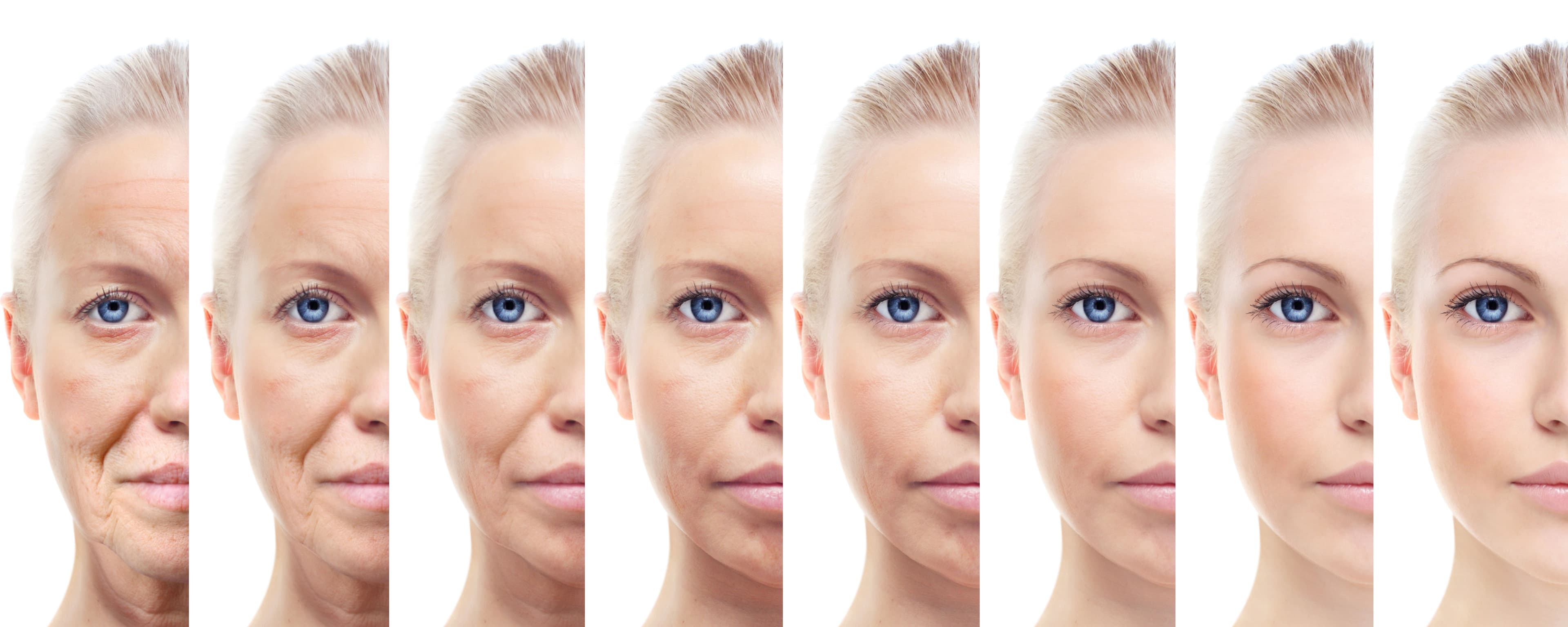
Exercise: The Fountain of Youth
We all know the benefits of exercising, but did you know that it can also be the fountain of youth? In a recent study at McMaster University in Ontario, researchers discovered that exercise can also help with aging.
Their research started out with mice. Half of them were given access to a wheel and half of them were not. The mice that were able to exercise on the wheel maintained healthy brains, hearts, reproductive organs, and kept their fur. The other half stayed dormant and became weak, ill, and even went bald.
Researchers thought humans could have the same outcome. They gathered 29 male and female volunteers between the ages of 20 to 84. They asked half of the volunteers to participate in at least three hours of vigorous activity per week; while the other half remained inactive for the three-month research period.
Before the research started, each volunteer uncovered a piece of his or her buttock skin to be evaluated. Dr. Tarnopolsky stated, “We wanted to examine an area of skin that had not been frequently damaged by the sun.” After the three-month research period, they had each volunteer uncover the same piece of buttock skin to compare. When the results were gathered, they found that those who were active, age 40 and above, had skin comparable to a 20–30 year old.
“All they had done differently was exercise. It is astonishing to consider all of the intricate ways in which exercise changes our bodies,” said Dr. Tarnopolsky.
The best part from this research was that even if you don’t exercise, you can start now and achieve the same results. It’s never too late! The men and women who were age 65 and above still saw a significant improvement in their inner and outer layers of skin.
The researchers say this was just a small study and more research needs to be done, but it does add to the long list of benefits we get from exercise. And for most of us, what better excuse to hop on the treadmill?
WARNING: This post is not intended to replace the advice of a medical professional. The above information should not be used to diagnose, treat, or prevent any disease or medical condition. Please consult your doctor before making any changes to your diet, sleep methods, daily activity, or fitness routine. iFit assumes no responsibility for any personal injury or damage sustained by any recommendations, opinions, or advice given in this article