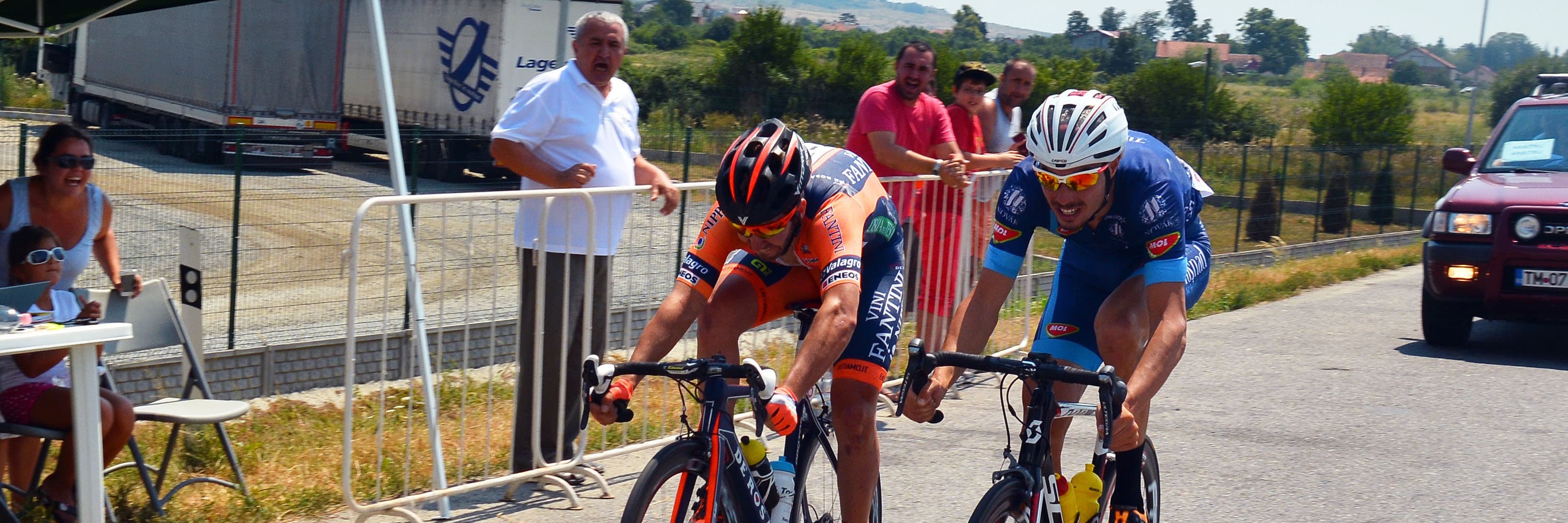
A Cyclist’s Guide to Hill Training
Six tips to help you become the greatest climber possible.
Pay attention to your RPMs.
When you maintain a higher cadence, it means you’re relying heavily on your cardiopulmonary system, or in other words, your heart and lungs. When you drop to a lower cadence and maintain the same power output, you are then relying predominantly on your muscular system, which fatigues faster and takes longer to recover. Your muscular system can take 2–3 days to fully recover, whereas your cardiopulmonary system only takes a few minutes. So the more heavily you can rely on your heart and lungs, the better. Try starting at a slightly easier gear than normal and ramp up your RPMs right as you hit the hill. Most likely your cadence will drop while climbing, but try to stay at a moderate rate.
Take it back a notch.
You can get in trouble quick if you break through the anaerobic threshold or remain in the anaerobic energy system too long. A good way to monitor this is with your breathing. If you feel like your lungs can’t keep up with you, then back off a bit and see if that helps. You are only able to maintain anaerobic activity for about 2 minutes. Once you push past that point, your bloodstream is usually so full of lactate that your muscles will no longer feel like they are operating correctly. Your legs will stop doing what you tell them to do, accompanied by that burning feeling you get during long sprint intervals. So make sure that if you break into anaerobic activity you don’t stay there too long, or it might be the end of your ride.
Listen to your body.
The way you feel can sometimes be a better indicator of what you are doing than your power meter. Many different variables can affect your power output, so don’t risk the rest of your ride by pushing your body too hard to get your watts to “where they should be”. One of the biggest factors in watt production is actually core temperature. If your core temperature rises too much, peak watt output can drop by upwards of 30%. So listen to your body and don’t overdo it.
Throw in surges.
Riding at a steady state is great for when you’re in a pack flying down a straightaway, but when it comes to hills, don’t just climb consistently. If you want to drop other riders as you climb, throw in little bursts of speed and increase your cadence by about 10 RPMs for 20 seconds at a time. Then throw in one last burst of speed, particularly near the crest of the hill, since most riders slow down just as the hill levels out. Surges not only help build your aerobic threshold, but they can help you make some game-changing moves on the hills.
Train with different hill lengths and intensities.
Just because you have a favorite hill to climb doesn’t necessarily mean that all others are inferior. Do yourself a favor and mix in a variety of different grades and lengths of hills. Try training one day with short, intense bursts of speed up steep hills that take 5 minutes or less. On another day, switch to longer hills, where you focus on riding at a consistent, steady pace for many miles. During those shorter hill sprints, you may be tempted to get out of the saddle. But remember, this can cause fatigue faster, so save standing up for the steepest parts of the climb only and not for sustained periods of time. Mixing up your training can be incredibly beneficial, even if your event has more of one type of hill. It will help you avoid getting stuck in a training rut of doing the same thing over and over.
Work on improving your power to weight ratio.
Every cyclist knows that power to weight is the most important ratio in cycling. Lighter cyclists are often the best climbers because they can put out a relatively small number of watts to climb the same hill at the same rate as a larger cyclist. Dropping excess weight is huge in cycling, particularly in hill climbing. In physics, work is simply defined as “work = force x distance”. When you have so much more force to overcome (your weight as well as gravity), being lighter is definitely an advantage. If you attempt to drop weight, be sure that you don’t sacrifice your muscle mass. This could drop your power output, which would be counterproductive. For men, generally between 3–19 percent body fat is considered healthy, and for women it’s usually 12–29 percent. If you have access to getting your body fat checked, that can help you to know what kind of weight loss is manageable without losing muscle mass. If you are looking to compete at an elite level, aim for a body fat percentage in the lower end of that range.
For example, a male rider wants to drop weight. He weighs 190 pounds and has 22 percent body fat. He wants to drop to 10 percent body fat for racing season. He has 41.8 pounds of fat on his body, which means he has 148.2 pounds of fat-free mass on his body.
Calculation:
weight x body fat / 100 = total fat mass 190 x 22 / 100 = 41.8 pounds
weight – total fat mass = fat-free mass 190 – 41.8 = 148.2 pounds
Calculation:
100 – goal body fat / 100 = goal lean body % 100 – 10 / 100 = .9
fat-free mass / goal lean body % = ideal weight 148.2 / .9 = 164.6 pounds
Fat-free mass is the number we don’t want to see drop. So to maintain his fat-free mass at 10 percent body fat, the male rider would want to weigh no less than 164.6 pounds after dropping weight.
Becca Capell
iFit Head Trainer
WARNING: This post is not intended to replace the advice of a medical professional. The above information should not be used to diagnose, treat, or prevent any disease or medical condition. Please consult your doctor before making any changes to your diet, sleep methods, daily activity, or fitness routine. iFit assumes no responsibility for any personal injury or damage sustained by any recommendations, opinions, or advice given in this article
Suggested Content

Hill Climbing
Gear up, and get ready to start climbing like a pro. These 10 workouts will maximize your climbing potential in less than an hour. Whether you're looking for long sustained hills, or short hill sprints, this is the program for you. Just press start to begin the climb of your life.
View Details
You might also like
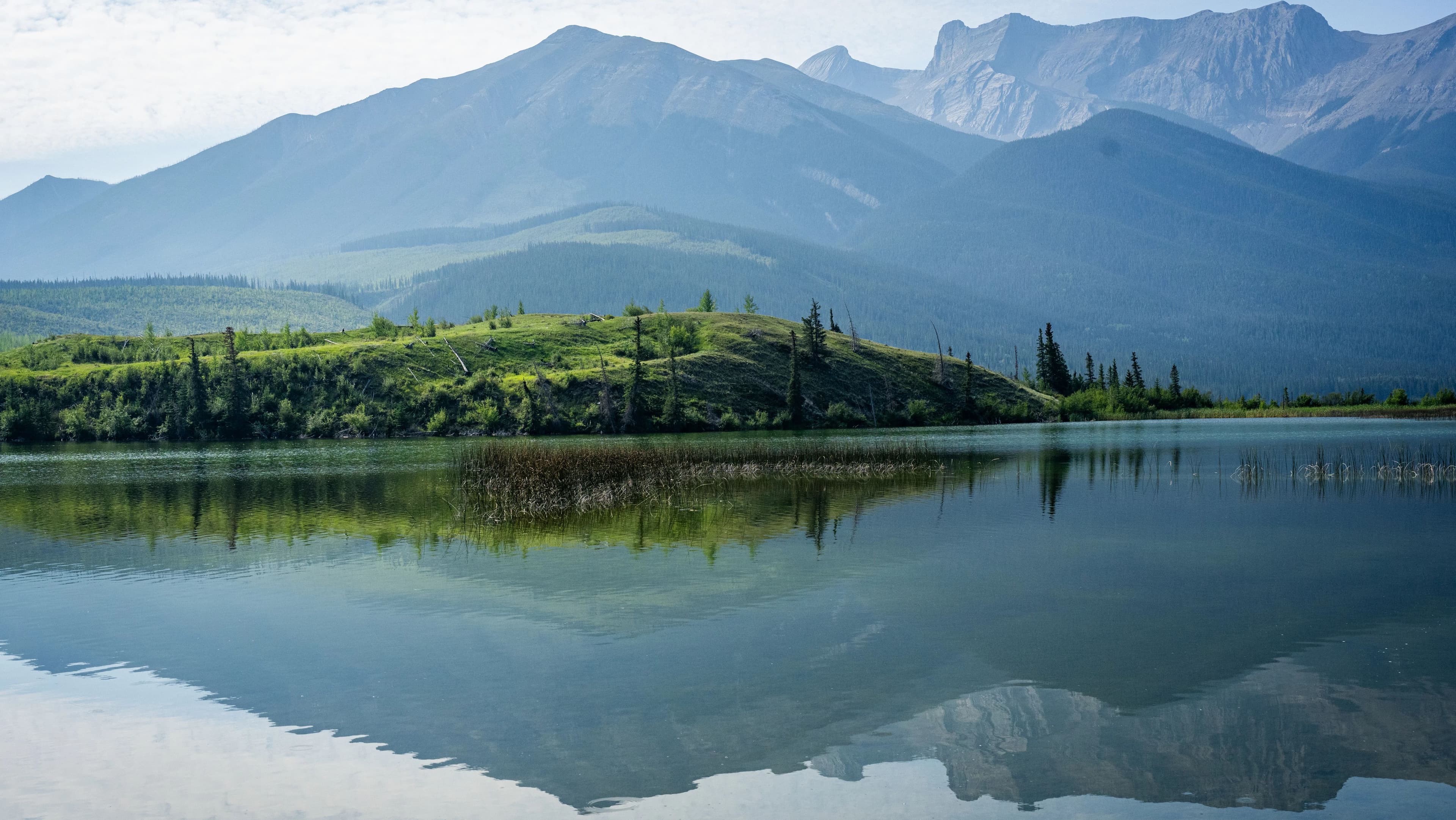
Cozy Season Has a Cardio Trend, and It Might Be the Easiest One Yet
Try cozy cardio this fall with a haunted Halloween walk, a scenic stroll through Mexico, gentle Pilates, and a beginner bike ride through Jasper National Park.
October 5, 2026
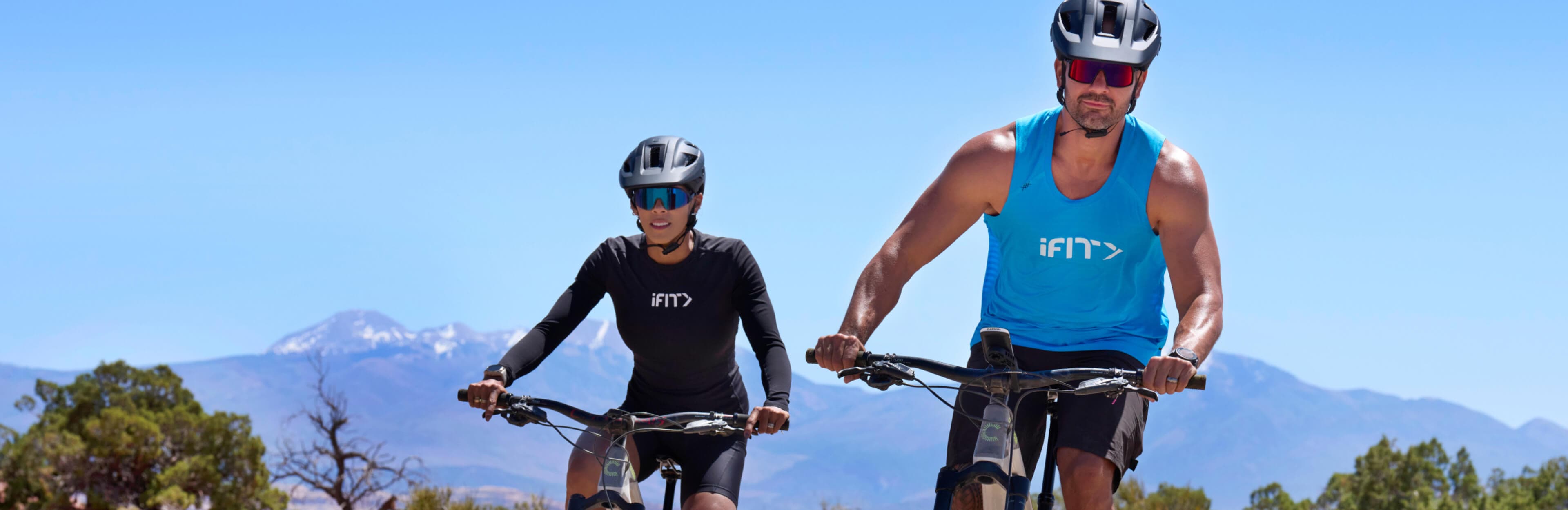
Climb, Sprint, and Cruise Through Canyonlands National Park
Climb, sprint, and cruise through Canyonlands National Park with iFIT Trainers Hannah Eden and Paulo Barreto in six rides built for aerobic base, power, and speed.
September 3, 2026

Introducing the iFIT Virtual Passport: Explore America's National Parks Like Never Before
Starting August 3, the iFIT Virtual Passport turns every National Parks workout into a challenge. Complete series, earn digital rewards, and build your Trophy Case one park at a time.
July 24, 2026