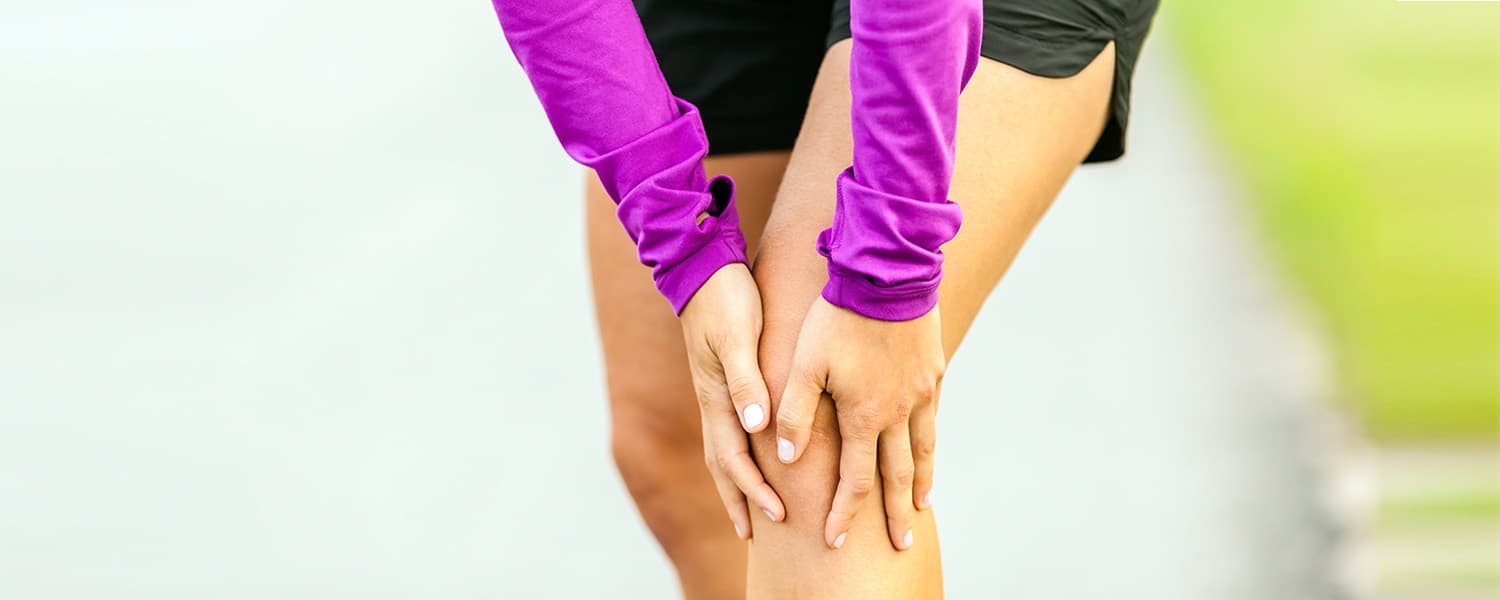
Low-impact Exercises for Achy Joints
Whether you’re suffering from an injury or your joints simply aren’t what they used to be, hard-impact workouts are a no-go for many people...and for good reason!
Did you know the most common cause of knee injuries in the U.S. is physical activity? A nine-year study by the Society for Academic Emergency Medicine concluded that 49.3% of over 6 million knee injuries were the result of sports and recreation.
Conditions such as arthritis break down cartilage, leaving inadequate cushioning support between bones and exposing nerve endings. Consequently, bones end up rubbing against each other, irritating nerve endings and causing pain. When faced with high levels of resistance or incline, disaster strikes! People who are overweight add extra stress on their joints when they exercise, too. Swelling and inflammation are first among a long list of negative consequences.
If your joints are inflamed or you’re experiencing discomfort, don’t hurt yourself further. Instead of pounding on the concrete or treadmill to run off those calories, give yourself a break by cross-training with these joint-friendly workout methods.
Elliptical
Ellipticals mimic running, so you’re still getting that swift motion and calorie burn without the hard impact of a foot strike. It also causes less stress on your knees, hips, and back. If you’re using the handles, you’ll also receive an upper body workout! Make sure to keep good posture with shoulders back, eyes up, and core tight.
Arc Trainer
The Arc Trainer is similar to the elliptical, except the reverse Arc motion allows for your toes to stay in front of your knees at all times, which is especially helpful for knee pain. This motion sets the Arc Trainer apart from other non-impact machines.
Cycling
If you have a knee condition, an even safer route can be a stationary bicycle. Recumbent bikes and cycling machines are both helpful tools for squeezing in a sweat session with less impact on your joints. As with all machines, be careful to keep incline and resistance low and make sure your seat height is adjusted for your body type. You shouldn’t need to reach for the pedals, and your legs shouldn’t completely straighten when you’re extending.To measure this, stand next to a stationary bicycle and make sure your seat is adjusted so your greater trochanter, or hip area, is level with it.
Lap swimming
Without gravity to adversely affect the impact on your joints, swimming holds a top spot for rehabilitative exercising. It’s well-known for building cardiovascular endurance in a stress-free-joint setting and receives bonus points for being a year-round sport.
Yoga
Flexibility decreases your chances for injury, and yoga is a lifesaver for increasing range of motion, so this form of exercise is beneficial for everyone. Yoga tones your muscles in a relaxing environment and teaches breathing techniques to soothe your body. If you’re looking to mix up your yoga routine, opt for either hot yoga or PiYo (a mixture of pilates and yoga).
Pilates
Pilates can help reduce pain within joints while strengthening your body.You don’t need to be flexible to participate in pilates, and you can easily adjust the exercises to your fitness level. Similar to yoga, pilates is a centered around the mind-body connection and is popular for its low-impact, low-intensity workouts.
Water aerobics
People sometimes joke about water aerobics, but it does have many benefits, especially for inflamed joints. With similar advantages to lap swimming, water aerobics gets your heart rate up, and you definitely feel the burn! All teachers are different, so just make sure you find the right style and difficulty level that fits your needs.
Rollerblading
Did you know that roller-blading is actually a better aerobic workout than cycling? According to a Livestrong foundation study, not only is roller-blading great for your cardiovascular health and aerobic activity, but it’s also advantageous for building muscle in your legs, specifically the inner thighs. The side-to-side motion of rollerblading even helps build more muscle than running! If this exercise didn’t already have enough benefits, taking out the harsh foot strike of running puts it as a frontrunner for physical activities. Balance, stability, and coordination are needed for rollerblading, so be sure to take these into account before you begin.
Off-road running
Yes, running on any surface will have a harsher impact, but softer surfaces other than concrete and asphalt are still better for your joints. If you are living coastal, the beach is perfect for a walk or jog on the sand, which gives a killer calf workout and the view can’t be beat. Mountain trails are great as well, but be wary as off-road running can still cause discomfort. Re-evaluating your running technique can help with comfort and reduce the impact on your joints. Try landing on your midfoot rather than striking with your heel, which is the area of the foot with the harshest landing impact. Click here for more running technique tips.
Whatever your circumstance, find ways to stay active and keep a positive attitude. There is always something you can do to keep yourself moving in a healthy direction.
Happy New Year!
Kayleigh Jardine
iFit Trainer
WARNING: This post is not intended to replace the advice of a medical professional. The above information should not be used to diagnose, treat, or prevent any disease or medical condition. Please consult your doctor before making any changes to your diet, sleep methods, daily activity, or fitness routine. iFit assumes no responsibility for any personal injury or damage sustained by any recommendations, opinions, or advice given in this article.
You might also like

Introducing SmartAdjust™ for Your Treadmill: iFIT’s New Personalized Workout Experience
SmartAdjust personalizes your treadmill workout before it even starts, adapting speed and incline to your fitness level in real time.
March 16, 2021

Strength Training While on GLP-1: A 6-Week Plan
When your body weight changes, you aren’t just losing fat—research shows you risk losing lean muscle mass, too. Protecting that muscle is the key to maintaining your metabolism and everyday strength. This practical 6-week guide breaks down exactly how to structure a simple, 20-to-30 minute full-body strength routine 2–3 times a week. Built around foundational compound movements like squats and rows, this plan shows you how to safely implement progressive overload without burning out your energy. Give your body a clear signal to keep its muscle and build a routine that sticks.
May 26, 2026

Find Your Stride with Tommy Rivs in the Joy of Running Part 2: Redwoods, Workouts 1-10
There’s just something magical about taking your next step forward, especially when it means you’re surrounded by the towering redwoods and rugged beauty of California’s northern coast. iFIT Trainer Tommy Rivs’ newest series will help you experience the magic of this region with the Joy of Running Part 2: Redwoods, Workouts 1-10. This beginner-friendly program is designed to help you progress from walking to running at your own pace.Explore California’s Scenic CoastSet along breathtaking coastal trails and through scenic redwood groves, this series brings the natural beauty of Northern California to your treadmill. From the peaceful paths of Laguna Point to the rolling meadows of Mendocino Headlands, each workout is an opportunity to breathe, move, and connect with the pure joy of movement.Make Progress with Tommy RivsKnown for his thoughtful coaching and love of movement, Tommy Rivs will guide you through a mix of walking and running intervals to gradually build your endurance and confidence. Each workout keeps the speed steady while changing your movement so you can focus on how your body feels and adapts as you move.Whether you’re returning to fitness or taking your first steps toward running, this series is all about moving forward with purpose. Tommy will help you to:Develop endurance and build strength with progressive intervalsImprove your form and consistency with his expert guidanceReconnect with the joy of movement in an inspiring settingBuild confidence to take on your next running challengeThis is only the beginning; there’s so much more to come with Rivs. For now, lace up those shoes and join him for an incredible journey amongst the redwoods.Join Tommy Rivs in the Redwoods
November 3, 2025