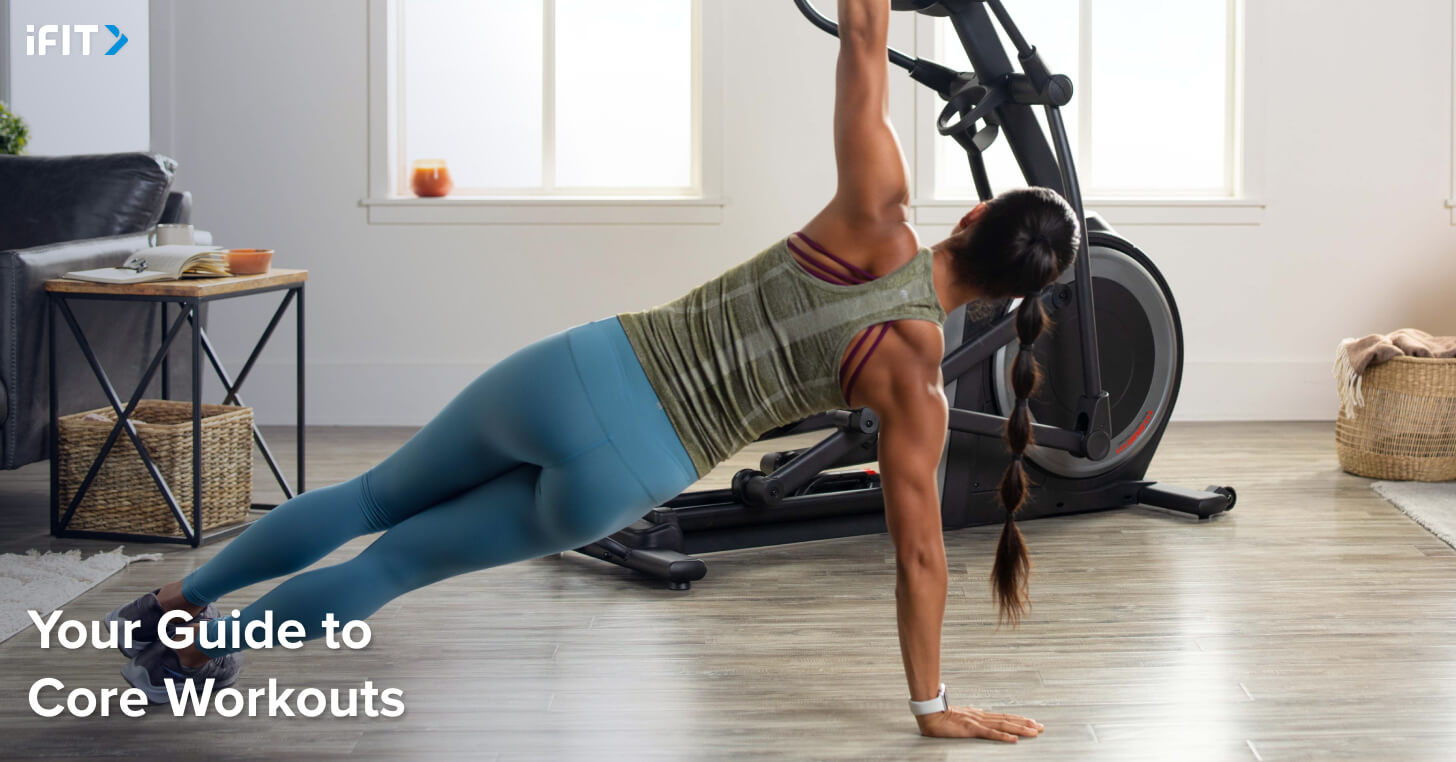
When you think about training your abs, what comes to mind? Good old-fashioned sit-ups? Planks? Many fitness enthusiasts know they need to include core exercises in their workout routine, but they end up forgetting about them or saying that they’ll “Do abs tomorrow.” We’ve all been there! Exercising your core is challenging since the abdominal muscles fatigue much faster than larger muscle groups, like those in your legs or back.
In our daily lives, we use our abdominal muscles much more than we may realize. We can thank our abs for the ability to move, bend, twist, sit, and lift—all motions that use the core to stabilize the spine1. That’s right—your abs help stabilize your entire body! These muscles are much more than mere aesthetic features. So, what do you really need to know about ab training? We’re taking a deep dive into the abdominal muscles, explaining how they work, when and how often to train them, and exercises you can do to start working on your core at home.
How the core works
Let’s break down what the “abs” really are. In your core, there are four abdominal muscle groups, along with other stabilizers. These muscles effectively protect your internal organs, covering them like a shield. Before hopping into a new core workout routine, it’s helpful to first understand just how the abdominals work.
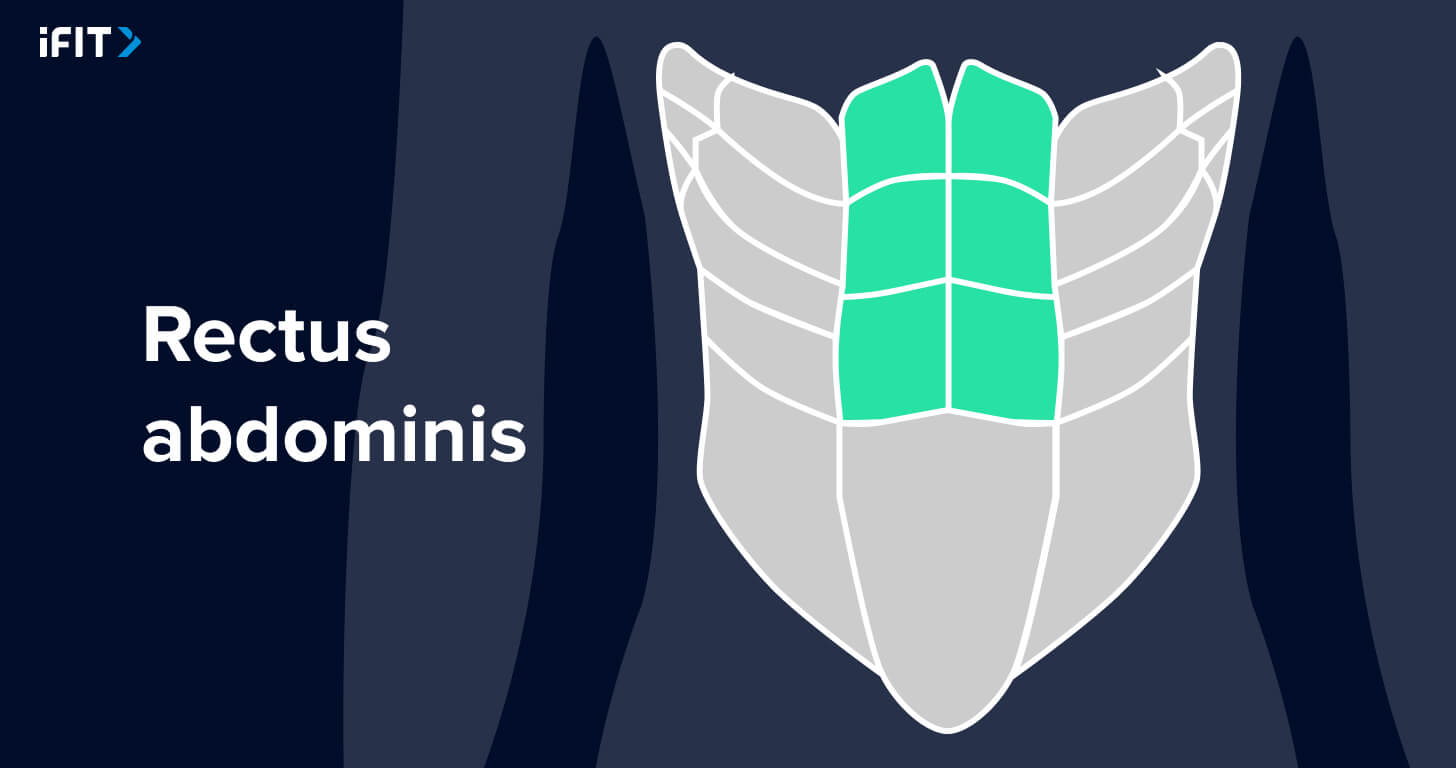
Rectus abdominis
The rectus abdominis2 is the core muscle that is commonly associated with ab definition and can look defined when exposed, but this depends greatly on each person individually. When you breathe in and brace your core, the rectus abdominis pulls in your abdomen. It assists in abdominal pressure and can improve sports performance when strengthened.
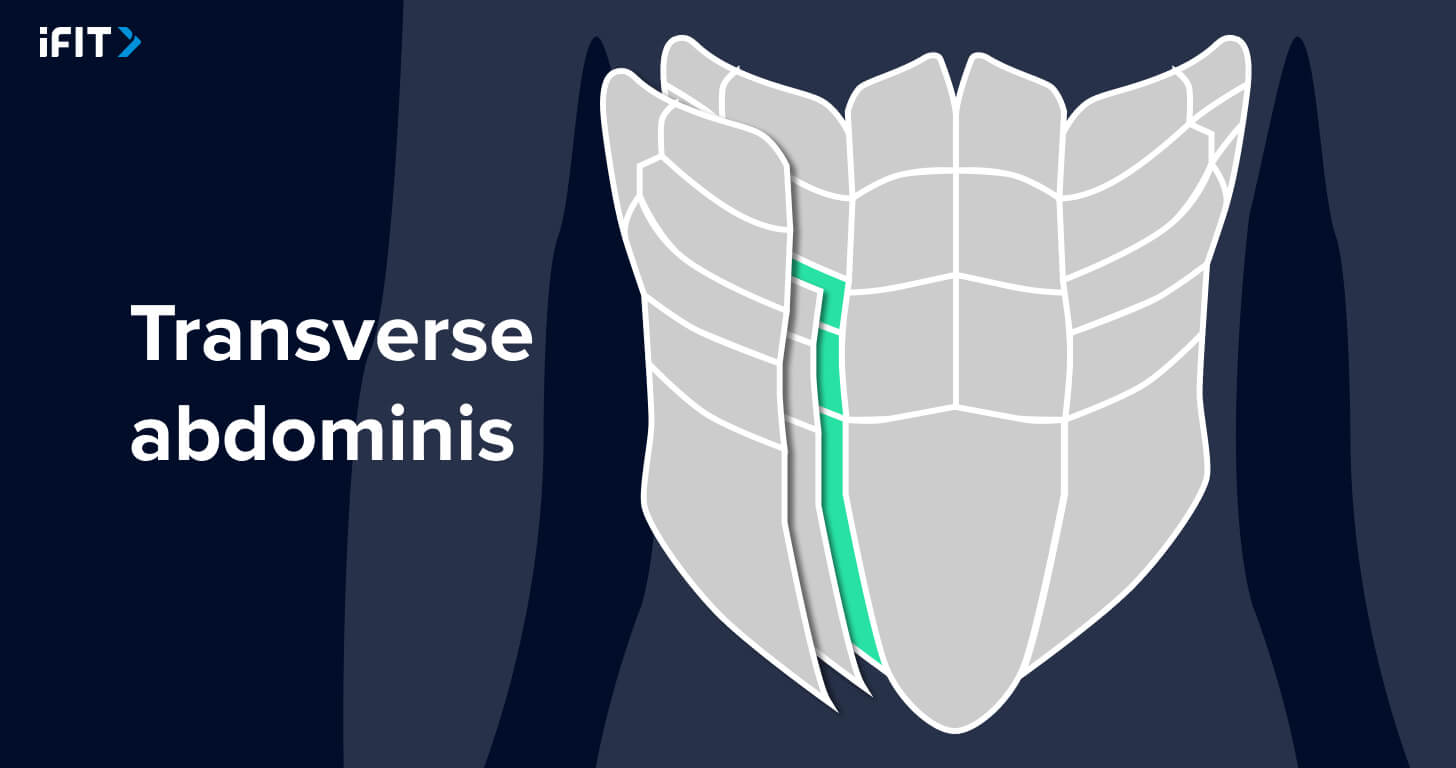
Transverse abdominis
As the deepest layer of the abdominal muscle group, the transverse abdominis3 is significant to the lumbar spine. It assists in maintaining abdominal tension, increasing intra-abdominal pressure (needed in forceful expiration, such as coughing), and supporting abdominal viscera.
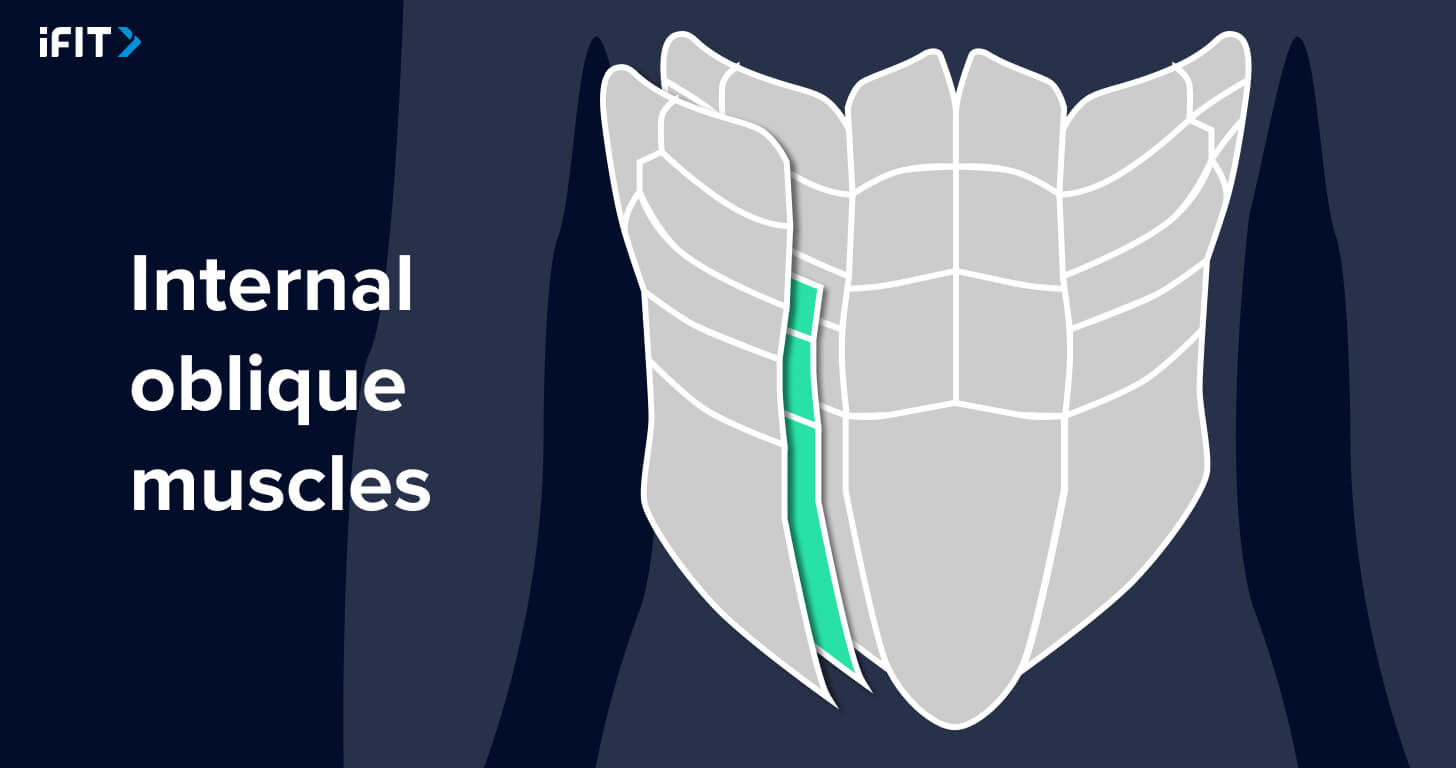
Internal oblique muscles
The internal oblique muscles4 are found on the lateral sides of the abdomen, beneath the external obliques. Like the transverse abdominis, the internal obliques help maintain abdominal pressure and trunk movement.
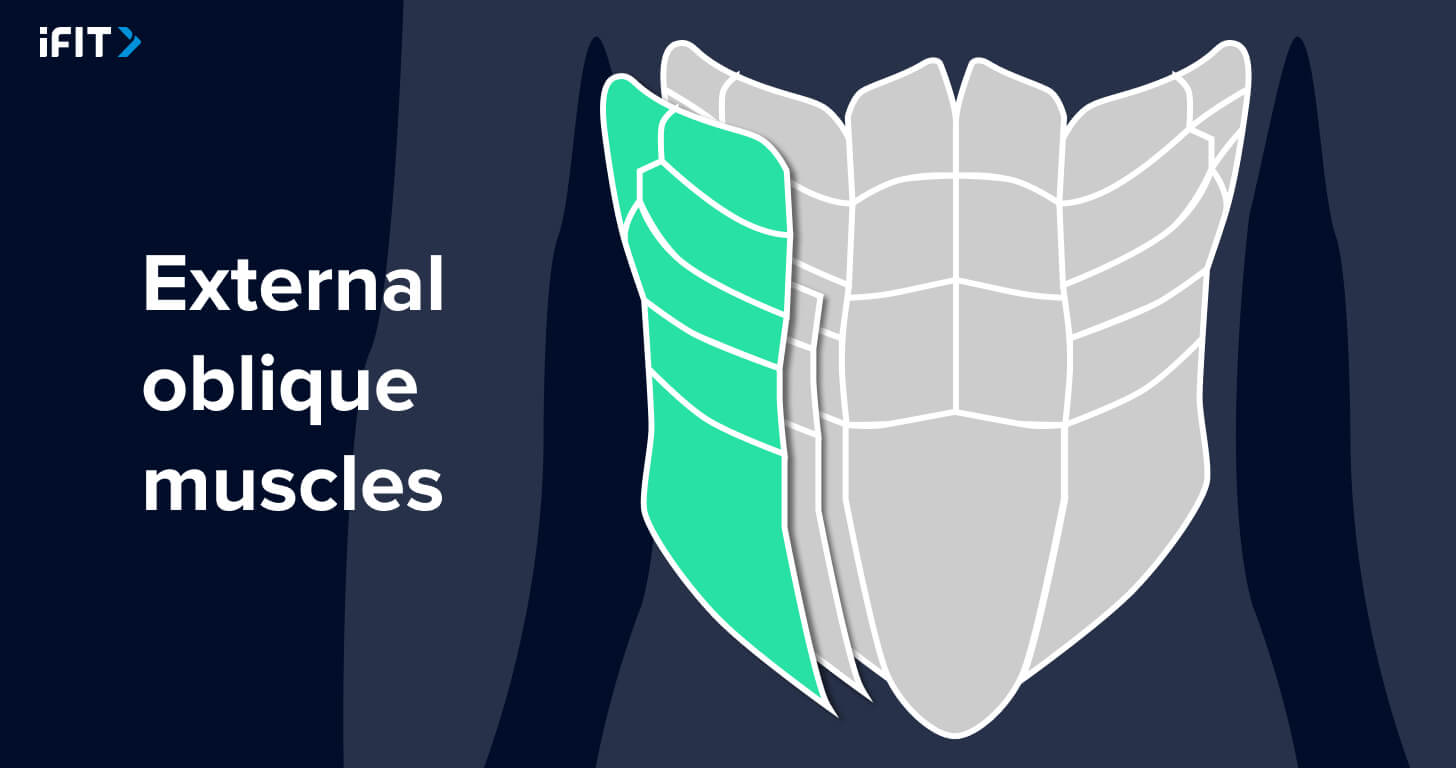
External oblique muscles
Covering the sides of the abdominal region are the external oblique muscles5. Connecting to the pelvis, these are the outermost abdominal muscles that help rotate the trunk and pull the chest downwards to compress the abdominal cavity.
These abdominal muscles work together to power all of your movements. Your core6 works non-stop to support your spine! When reaching into a high cabinet, bending over to pick up groceries, or sitting in a chair, your core engages to make these activities easier and, most importantly, possible. Plus, during core exercises, your lower back, hips, and pelvis are naturally roped into the mix. Your balance and stability7 may improve with regular core workouts. Even outside of fitness, a strong core can help keep you mobile in daily life.
How often should you do core workouts?
Some may suggest a workout routine that includes core exercises every day for strong abdominal muscles. As with training other muscle groups, daily abs workouts could result in overuse injuries. According to Harvard Health8, you can do core workouts two to three times a week and notice gradual changes along the way. It will take time to strengthen your abdominal muscles, so don’t get discouraged if planks or crunches feel difficult at first.
The name of the game is controlled movement and breathing to maximize quality over quantity. Instead of quickly repping out a high number of sit-ups, try to perform a smaller number (like 5–10 reps) with better control and form. This may help activate your abdominals more effectively than quick, uncontrolled movements.
Should core workouts come before, after, or during a strength or cardio workout?
Now that you know how often you should train your core, one question remains: When should you do your core workout? This depends on the type of workout you plan to do, whether that is a strength or cardio workout. After a heavy weightlifting session, pivoting directly to a core workout may not be a wise choice. You might feel exhausted after a tough strength or cardio workout, in which case it may be better to hold off on adding more exercises.
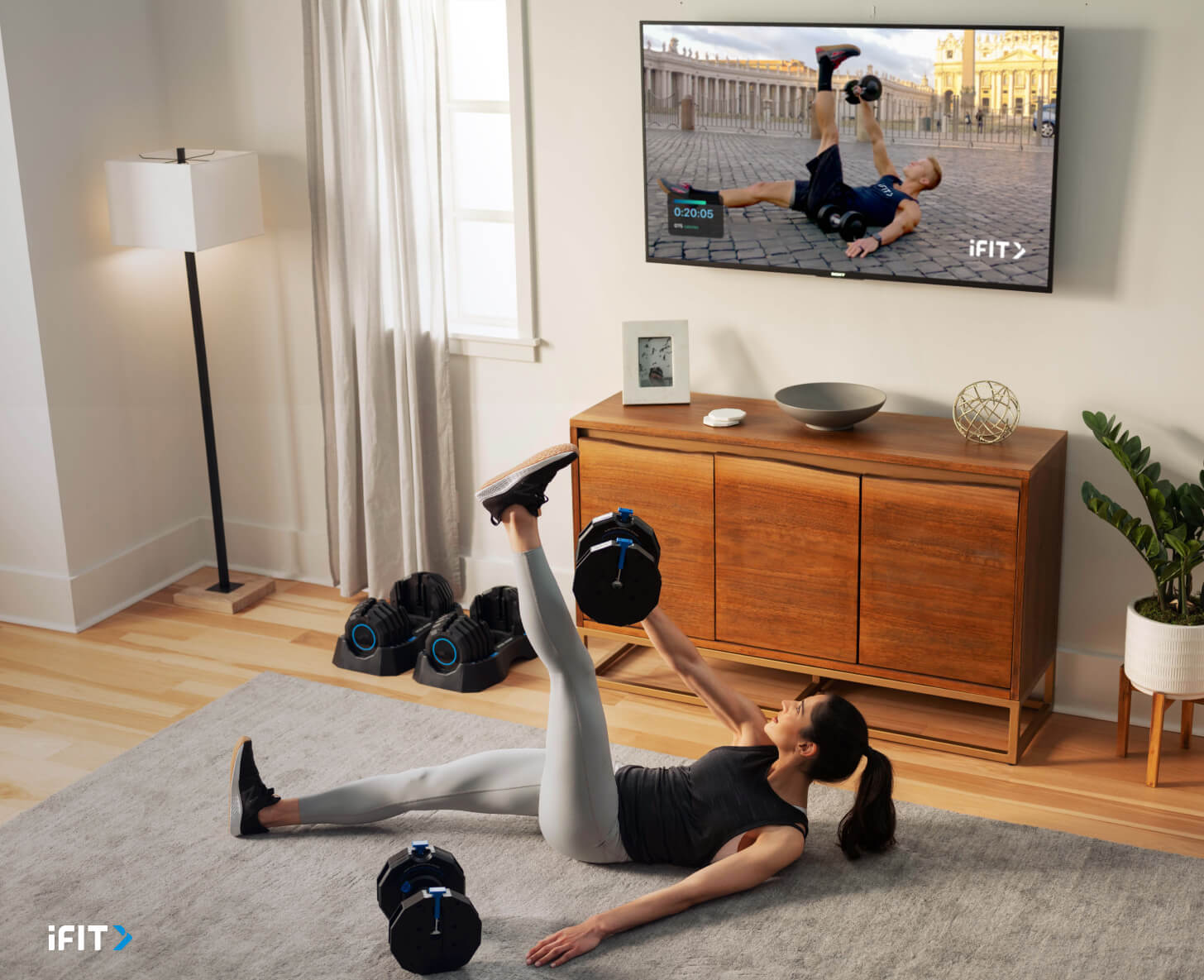
With this in mind, you can integrate core exercises before these types of workouts. The ab exercises you choose should not feel incredibly taxing. The goal should be to instead warm up the core for your strength workout, where you will use power generated from your abdominals during your weight lifting or bodyweight routine. Consider performing ab exercises like dead bugs and bird dogs to warm up both your internal and external abs. These movements can also be used before a cardio workout, as a strong and stable core is essential for walking, running, and hiking.
You may also have a day dedicated to targeted core exercises if you’d like! Your abdominal muscles will likely fatigue well under an hour, so this type of exercise routine could be done on a recovery day from your regular strength or cardio training. Even a 10 minute ab workout may be helpful for exercising your core! Ultimately, the choice is yours based on how your body feels before, during, or after a workout.
Targeted core exercises
There are many core exercises out there, but the truth of ab workouts is that they don't need to be complicated and can be quite accessible. As mentioned above, control is the most important aspect of training these muscles. Think about your abs like this: The internal abdominal muscles, especially the transverse abdominis, are not visible. When strengthened (alongside the other three abdominal muscle groups), you may notice differences in your strength output as you continue on in your workouts. This is what matters!
Exercises that isolate the abdominal muscles have also been found to improve muscle activation. In a recent study9 comparing electromyographic (EMG) activity in the rectus abdominis, oblique externus, and erector spinae in both integrated and isolated core exercises, results indicated that isolated core exercises (like bridges and back extensions) had greater muscle activation. This may mean that ab exercises that target the core alone are better for muscle engagement.
Ready to add ab exercises to your workout routine? Here are a few targeted core exercises that you can try in the gym or as a home workout.
Crunch
- Lie down on your back on a mat.
- Bend your knees and press your lower back into the floor.
- With your hands crossed over your chest or behind your head, slowly lift your head and shoulders off the floor. Exhale as you come up into the crunch.
- Lower yourself back down. Inhale during the descent.
- Repeat for 15-30 reps.

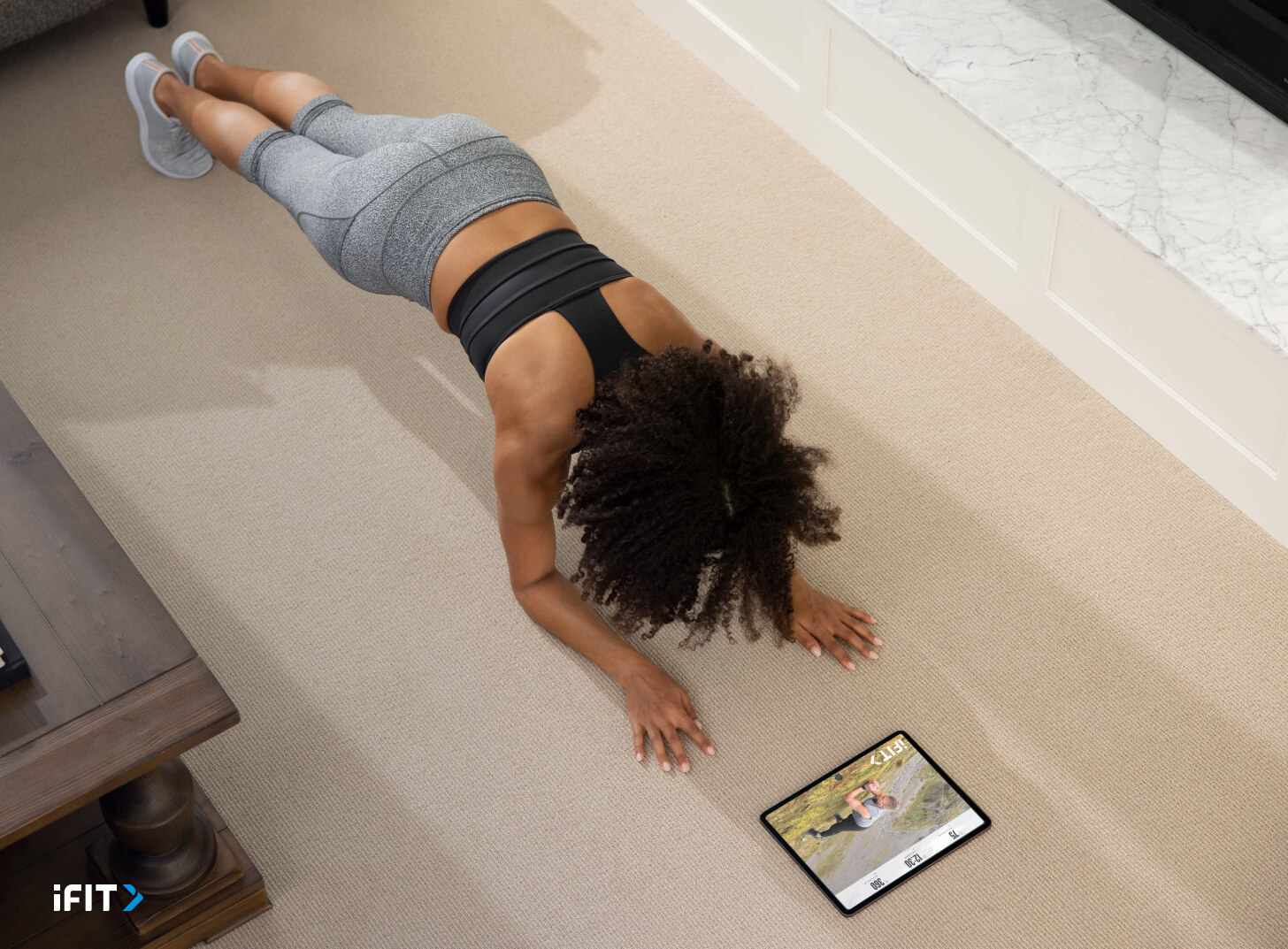
Plank
- Position yourself on your hands and knees on a mat.
- Place your hands shoulder-width apart, directly under your shoulders. Your feet should be a bit wider than your hips but you can bring them closer together for a greater challenge.
- Bring your knees off the floor, so you’re balanced on your toes and hands (or elbows, if preferred).
- During the plank, keep your body straight, from your heels to your head. Look down at the floor to keep your spine neutral.
- Engage your core, quads, and glutes. Hold the plank position for however long feels comfortable. For example, beginners can aim for 10 seconds and increase the duration with practice. You can hold these up to 120 seconds. Do not let your hips or shoulders dip.
- Come out of the plank position and rest before trying again.
Side kick front/back
- Lie on your side on the edge of your mat.
- Line your legs up, with your feet and knees stacked.
- Place your top hand in front of your chest. Prop your head up with your bottom hand.
- Engage your core so that it feels solid and stable.
- Lift your top leg up to hip height, flexing your foot towards your shin.
- Kick your leg out in front of you. Your upper body should not move. Use your bottom leg for stability.
- Then, without bending your leg, kick it back behind you. Do not arch your lower back.
- Make a sweeping motion as you repeat this exercise with control, moving your top leg back and forth. Aim for 10-20 reps.
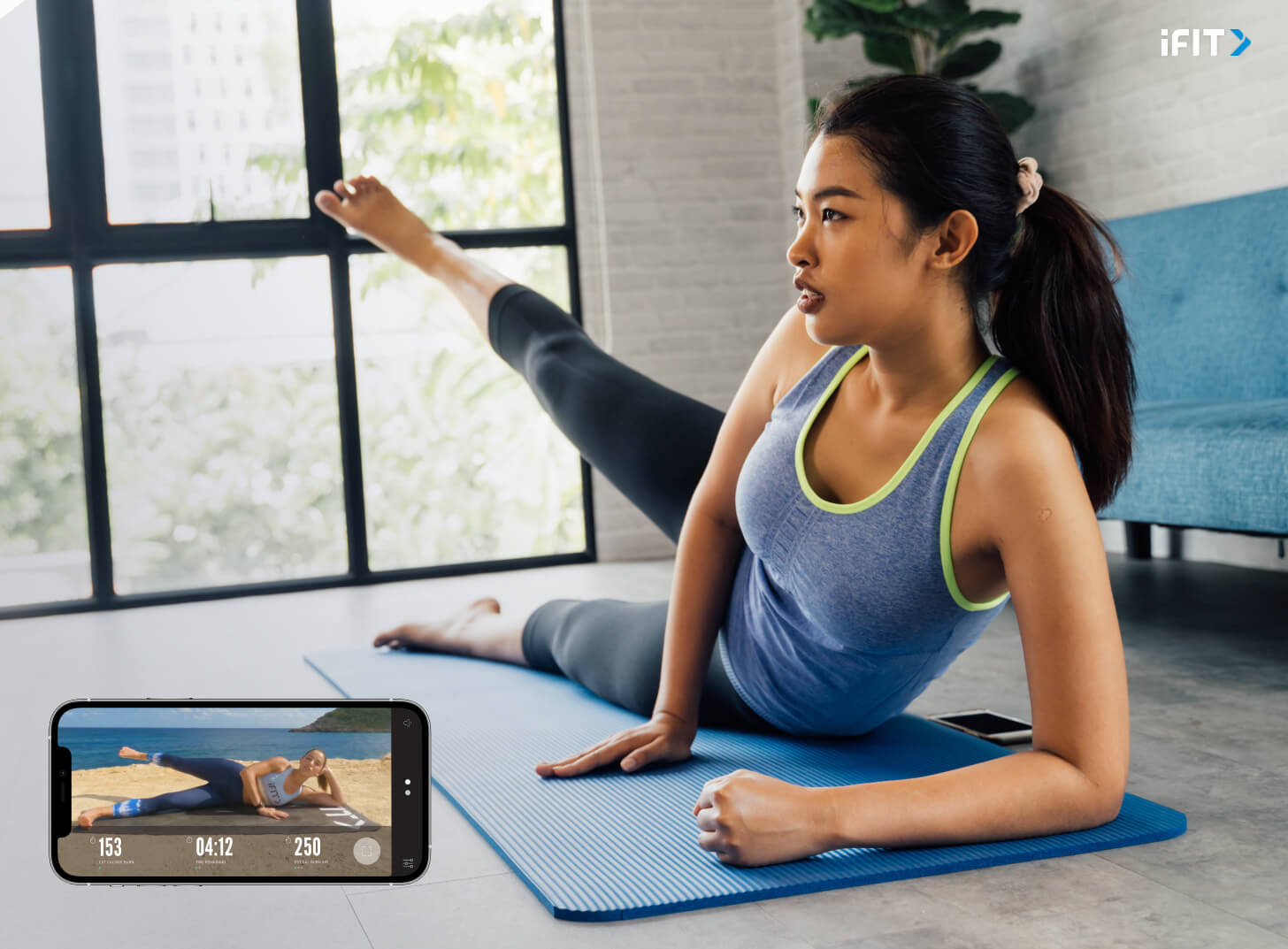
You’ll find these bodyweight exercises and many more in our fitness app! Browse a wide selection of bodyweight core exercises with iFIT Trainers like John Peel, Elyse Miller, Gideon Akande, and Jeni DelPozo.
Secondary core exercises
Since your core is involved in everything you do, these muscles engage during non-core-specific exercises, too. Squats, bench presses, push-ups, shoulder presses, deadlifts, and so many other exercises rely on a strong core for stability. As mentioned previously, your abs work to stabilize your spine. In movements like those listed above, the positioning of your spine is crucial for proper form and injury prevention.
How does your core empower these strength exercises? At the root of your pushing and pulling abilities lies your body’s core power. With a developed core, an athlete will use these muscles to their advantage in sports like baseball, competitive weight lifting, boxing, tennis, marathon running, and more. In a 2019 study10 on the effect of core training on core endurance and running economy in college athletes, researchers divided the participants into control and core training groups. Each group continued with their regular training, but the core training group was given three additional core training sessions per week. After eight weeks of training, results suggested that supplementing core exercises with regular training may contribute to improved core endurance, running economy, and core stability. When you work on your core, you’re building up your body’s foundation.
But what happens when you don’t do abs workouts? When the core muscles are weak, you can become more susceptible to muscle injury and lower back pain11. This is why it’s important to include core workouts into your weekly workouts. The functional benefits of strong abdominal muscles make it worth the time and effort!
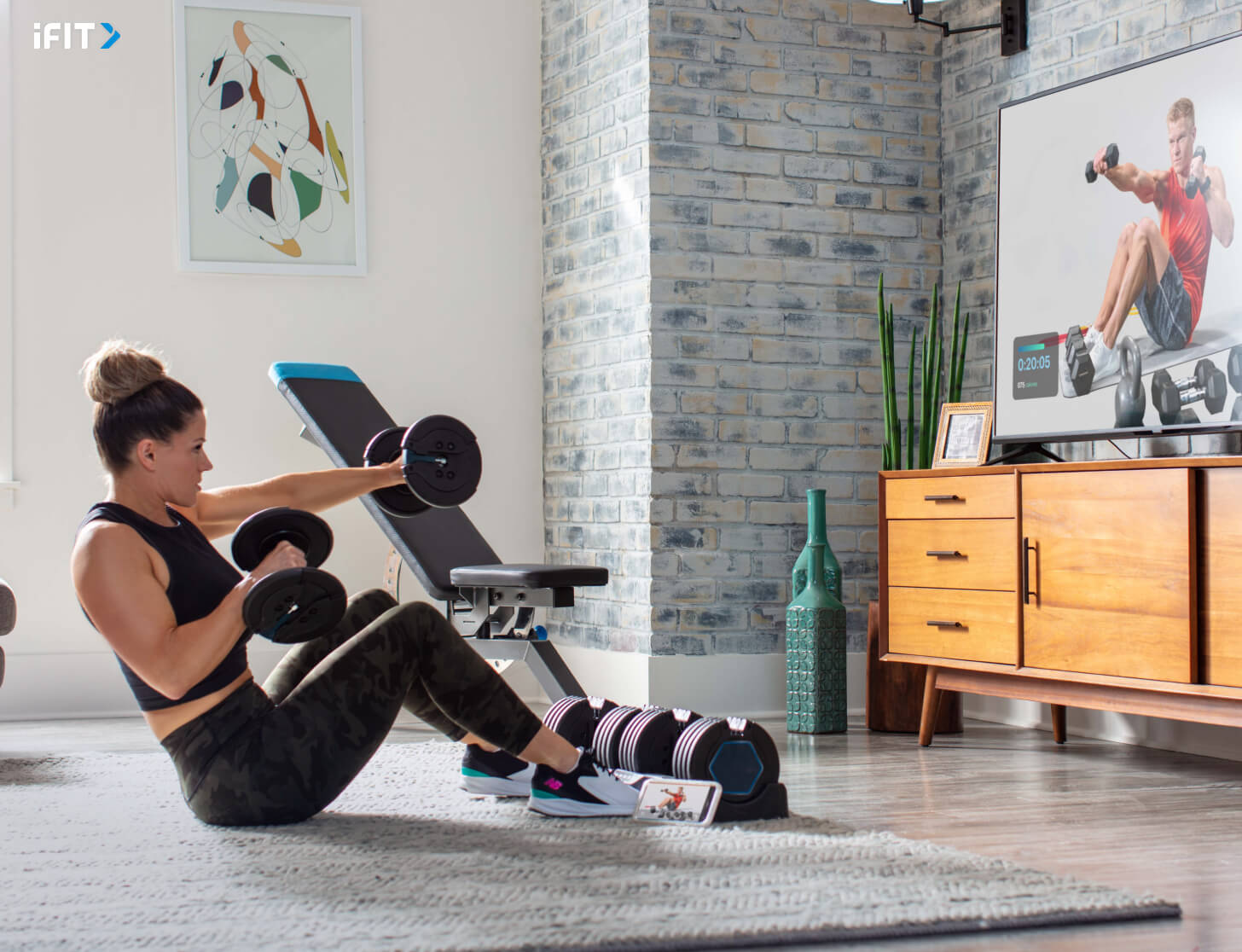
Start an iFIT core workout today
You can get started on building core strength today with iFIT! When you sign up for iFIT, you’ll gain immediate access to our huge workout Library. You’ll find an array of ab workout options for different fitness levels. Many of these, like our Quick Core workout series, can be done right from your home gym in less than 20 minutes!
With the encouragement of a personal trainer in every workout, you’ll feel inspired to power through a tough abs workout. Remember that core strength is key to both athletic and functional movement. Think less about the look of your abs and more about the power you can derive from them!
References
1. Core conditioning: It's not just about abs. Harvard Health. (2012, May 22). https://www.health.harvard.edu/healthbeat/core-conditioning-its-not-just-about-abs.
2. Healthline Editorial Team. (2018, January 21). Rectus abdominis. Healthline. https://www.healthline.com/human-body-maps/rectus-abdominis-muscle#1.
3. Quinn, E. (2020). The importance of the transverse abdominis (TVA) muscle. Verywell Fit. https://www.verywellfit.com/core-stabilization-transverse-abdominis-muscle-3120587.
4. Healthline Editorial Team. (2018, January 19). Internal oblique. Healthline. https://www.healthline.com/human-body-maps/internal-oblique#1.
5. Healthline Editorial Team. (2018, January 19). External oblique. Healthline. https://www.healthline.com/human-body-maps/external-oblique-muscle#1.
6. Mayo Clinic Staff. (2020, August 29). Core exercises: Why you should strengthen your core muscles. Mayo Clinic. https://www.mayoclinic.org/healthy-lifestyle/fitness/in-depth/core-exercises/art-20044751.
7. Mayo Clinic Staff. (2020, August 29). Core exercises: Why you should strengthen your core muscles. Mayo Clinic. https://www.mayoclinic.org/healthy-lifestyle/fitness/in-depth/core-exercises/art-20044751.
8. How to add core exercises to your workout routine. Harvard Health. (2014, April 12). https://www.health.harvard.edu/staying-healthy/how-to-add-core-exercises-to-your-workout-routine
9. Saeterbakken, A. H., Chaudhari, A., Tillaar, R. van den, & Andersen, V. (2019, February 27). The effects of performing integrated compared to isolated core exercises. PLoS One. https://doi.org/10.1371/journal.pone.0212216.
10. Hung, K. C., Chung, H. W., Yu, C. C., Lai, H. C., & Sun, F. H. (2019, March 8). Effects of 8-week core training on core endurance and running economy. PloS One. https://doi.org/10.1371/journal.pone.0213158.
11. Mayo Clinic Staff. (2020, August 29). Core exercises: Why you should strengthen your core muscles. Mayo Clinic. https://www.mayoclinic.org/healthy-lifestyle/fitness/in-depth/core-exercises/art-20044751.
Disclaimer: This blog post is not intended to replace the advice of a medical professional. The above information should not be used to diagnose, treat, or prevent any disease or medical condition. Please consult your doctor before making any changes to your diet, sleep methods, daily activity, or fitness routine. iFIT assumes no responsibility for any personal injury or damage sustained by any recommendations, opinions, or advice given in this article. Always follow the safety precautions included in the owner’s manual of your fitness equipment.
You might also like

Introducing SmartAdjust™ for Your Treadmill: iFIT’s New Personalized Workout Experience
SmartAdjust personalizes your treadmill workout before it even starts, adapting speed and incline to your fitness level in real time.
March 16, 2021

Strength Training While on GLP-1: A 6-Week Plan
When your body weight changes, you aren’t just losing fat—research shows you risk losing lean muscle mass, too. Protecting that muscle is the key to maintaining your metabolism and everyday strength. This practical 6-week guide breaks down exactly how to structure a simple, 20-to-30 minute full-body strength routine 2–3 times a week. Built around foundational compound movements like squats and rows, this plan shows you how to safely implement progressive overload without burning out your energy. Give your body a clear signal to keep its muscle and build a routine that sticks.
May 26, 2026

Find Your Stride with Tommy Rivs in the Joy of Running Part 2: Redwoods, Workouts 1-10
There’s just something magical about taking your next step forward, especially when it means you’re surrounded by the towering redwoods and rugged beauty of California’s northern coast. iFIT Trainer Tommy Rivs’ newest series will help you experience the magic of this region with the Joy of Running Part 2: Redwoods, Workouts 1-10. This beginner-friendly program is designed to help you progress from walking to running at your own pace.Explore California’s Scenic CoastSet along breathtaking coastal trails and through scenic redwood groves, this series brings the natural beauty of Northern California to your treadmill. From the peaceful paths of Laguna Point to the rolling meadows of Mendocino Headlands, each workout is an opportunity to breathe, move, and connect with the pure joy of movement.Make Progress with Tommy RivsKnown for his thoughtful coaching and love of movement, Tommy Rivs will guide you through a mix of walking and running intervals to gradually build your endurance and confidence. Each workout keeps the speed steady while changing your movement so you can focus on how your body feels and adapts as you move.Whether you’re returning to fitness or taking your first steps toward running, this series is all about moving forward with purpose. Tommy will help you to:Develop endurance and build strength with progressive intervalsImprove your form and consistency with his expert guidanceReconnect with the joy of movement in an inspiring settingBuild confidence to take on your next running challengeThis is only the beginning; there’s so much more to come with Rivs. For now, lace up those shoes and join him for an incredible journey amongst the redwoods.Join Tommy Rivs in the Redwoods
November 3, 2025