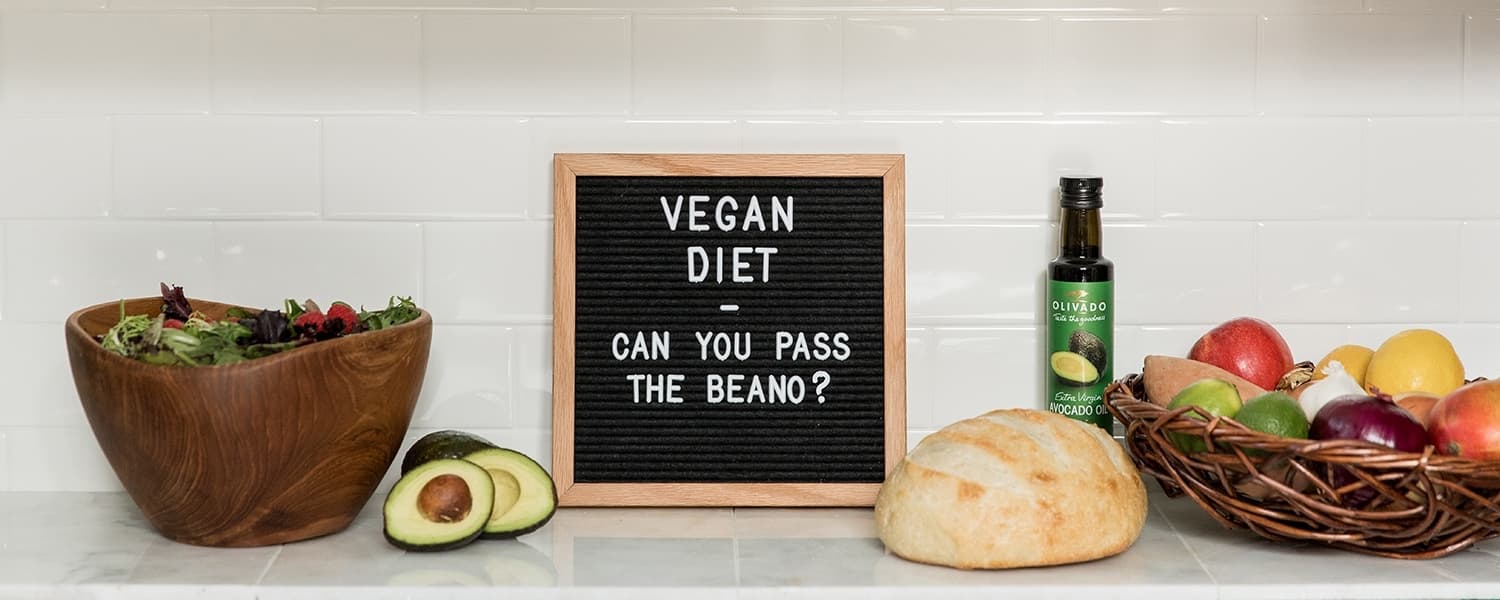
Our Experience: Vegan Diet
As a dietitian, when someone tells me they are following a vegan diet, I always ask why. Since it’s a restrictive diet with no animal products (meat, poultry, dairy, honey, gelatin, etc), it can often lead to nutrient deficiencies. If a client wants to do it just for weight loss, I often suggest doing more of a vegetarian or flexitarian diet that is less restrictive. But if it’s for other reasons, like religion, animal rights, or the environment, I’m always happy to help that person follow a vegan diet. While it’s restrictive, it is 100% possible to meet your nutrition needs and thrive on this diet, with good planning and supplementation, of course.
There have actually been many studies that show health benefits to following a vegan or vegetarian diet, including reduced risk of heart disease, type 2 diabetes, hypertension, some cancers, and obesity. But remember, if your vegan diet consists of processed foods (made with vegan ingredients), you probably won’t experience these benefits. Just because it’s labeled vegan doesn’t mean it’s healthy. There are plenty of candies, soda, and chips that are considered “vegan.” A true vegan diet is diverse and high in whole grains, fruits, vegetables, legumes, seeds, and nuts that are nutritionally adequate.
Another reason to follow a vegan diet, besides health, is the environmental impact. While it’s hard to measure and quantify exactly how many natural resources each type of food requires, plant-based diets are overall more environmentally sustainable than animal-based diets. For example, it’s estimated that substituting 1 kg protein from kidney beans for 1 kg protein from a beef requires 18 times less land, 10 times less water, 9 times less fuel, 12 times less fertilizer, and 10 times fewer pesticides. Also, animals produce manure, which can pollute the air and rivers (this depends on farming practices). However, with new technologies, ranchers and farmers are continually improving their sustainability to decrease their environmental impact.
Lastly, I think one of the biggest perks of the vegan diet, from a dietitian standpoint, is learning how to move away from meat-centered eating and utilize more plant foods to increase the variety in our diets. While on this diet, we all ate more plant-based proteins that we often overlook, like hemp seeds, edamame, and lentils, to name a few. So even though we don’t believe everyone needs to follow a strict vegan diet, most of us could stand to increase the diversity in our diets and incorporate more whole grains, fruits, vegetables, legumes, seeds, and nuts.
Our takeaway message is:
- A vegan diet can be nutritionally adequate with good planning and supplementation.
- It can lead to more diverse eating and the utilization of more plant foods.
- A more diverse diet can lead to reduced risk of heart disease, type 2 diabetes, hypertension, some cancers, and obesity, given you aren’t just eating highly processed foods with vegan ingredients.
- It is more environmentally sustainable.
How did the diet stack up nutritionally?
The vegan diet has the potential to be super healthy from a nutritional standpoint. However, just because you follow a vegan diet, doesn’t mean you’re eating healthy. For example, we made different kinds of vegan treats, which isn’t a problem in moderation, but if all you’re eating is vegan brownies, vegan cookies, and vegan scones, you aren’t going to improve your nutrition. While on this diet, we were able to meet most of our nutritional needs, largely due to so many supplemented foods on the market. We still struggled to get enough vitamin D, though, which you can get through sunlight or supplementation.
We did have to supplement vitamin B12, which is produced by bacteria often found in the colon and in animal products. Some believe that because bacteria in our colon may produce B12, we don’t have to consume it. However, it’s not certain if everyone has the bacteria in their large intestine (or colon). Since B12 is absorbed in the small intestine, even if we did produce it in the large intestine, we wouldn’t absorb it, so we shouldn’t rely on that. You also can’t rely on fermented foods, nori, spirulina, algae, and unfortified nutritional yeast. So if you are following a vegan diet, you’ll need to supplement with vitamin B12. We supplemented with iFit Nourish by creating a plant-based blend, which was fortified with the vitamins and minerals we would need, including 100% of our vitamin B12 needs. I would highly recommend iFit Nourish as a supplementation source.
Now, let's talk macros. Carbs are often demonized and thought to lead to weight gain, but the vegan diet is a good example of how eating high carbs doesn’t necessarily lead to weight gain. The females in our test group ate well over 300 grams a day and none of us gained weight. We were still able to work out hard and feel full and satisfied. We also got enough protein, which is something many people worry about with this diet. The females ate about 85 grams a day, equating to 1.2–1.6g/kg (well above the recommended 0.8/kg), which is the amount I usually recommend for people. Trevor ate more calories, carbs, and protein (over 150 grams a day) than us to support his muscle gain goals (and also because he’s a male). iFit Nourish also helped us get enough protein, but it’s very possible to get adequate protein as long as you are eating adequate calories.
Overall, I think we all ate as well as we normally do, if not better, while on the diet. Because we couldn’t have meat, we were able to try other protein sources and remembered how much we love things like lentils and tempeh. We also incorporated lots of veggies, fruits, and whole grains. I think we all want to try to make a few vegetarian/vegan meals a week and we’d encourage others to do the same. We created 33 new recipes on this diet and they were all super delicious, filling, and easy to make. You can check them out here!
Our Team’s Quick Review
Megan Ostler—MS, RDN, mom of 2, still breastfeeding
- I loved this diet. While a strict vegan diet isn’t sustainable for me, I’m going to start incorporating more plant-based proteins into my diet. See my review here.
Michelle Alley—BS in nutrition, mom of 2, former collegiate runner, training for a marathon
- Overall, I really enjoyed this diet. I’m inspired to incorporate more plant-based meals into my lifestyle. See my review here.
Hannah Mann—Social media guru, busy mom, and regular gym goer
- I enjoyed this diet, but I wouldn’t necessarily recommend it for weight loss or to reduce body fat percentage, since you can still get away with a lot of treats! See my review here.
Trevor Mann—Marketing specialist, father to a stud, gym junkie, and sports fanatic
- I really liked this diet and it didn’t interfere with my weight training...but I like meat too much to give it up! See my review here.
Becca Capell— Trainer, amateur ultramarathoner, and outdoor enthusiast
- The diet is sustainable and taught me a lot about my eating habits. See my review here.
Individual Experiences
Megan Ostler
 If you know me, you know that I’m not a big meat eater. I love a good burger, but most of the time when it comes to meat and poultry, I could take it or leave it. Now dairy, eggs, and honey are another story. I love anything to do with cheese—cooking, eating, talking about it, you name it. And not the basic kind of cheese, like cheddar or colby jack, more like edam, asiago, gruyère, or feta. Those get me oozing with excitement! So I knew going on the vegan diet would mean missing out on a few foods I loved.
However, being “forced” to follow a vegan diet helped me incorporate new foods and remember my love for items like edamame, tempeh, and lentils. Lentils are often overlooked, but they are so cheap and a total powerhouse when it comes to nutrition. So while I’m going to go back to eating some animal products, I want to continue incorporating more plant proteins into my diet, like hemp seeds, tempeh, edamame, beans, and especially lentils. Not only for budget, health, and environmental factors, but also for the plain enjoyment of eating. They’re just so delicious!
So what was hard about this diet? Well first, it was still a diet and there were restrictions. While most of the time I was eating delicious meals and not feeling deprived, it was frustrating to eat out on this diet. Many restaurants now offer vegan options/menus which makes it so much easier, but I couldn’t help but feel like I was 10 again being forced to order from the kid menu. It was also annoying to have to meticulously look at labels, even though it wasn’t nearly as bad as some of the other diets.
Besides getting to explore forgotten foods, enjoy a variety of delicious options, and using budget-friendly ingredients, I also felt really good on this diet. I was rarely hungry and I felt like I had a consistent level of energy throughout the day. This was likely due to all the fiber we were eating. Overall, I slept well, moved more, and enjoyed my food.
Now for a little TMI. One downside was I had more gas than normal, but that got better toward the end. Also, with the other diets, I either skipped or had super light periods. But this time it was heavier than normal, which left me feeling pretty tired for two days. Luckily, it was only two days.
My takeaway from this diet is that I need to be better at incorporating more grains, legumes, nuts, and seeds into my diet. I won’t be a full-blown vegan, but I’m going to try to make 75% of my meals vegetarian and add more plant foods, especially proteins. I’ve always been pro-vegetarian, but felt like veganism was too restrictive. However, having done it for three weeks, my opinion has slightly changed. This diet didn’t cause the same feelings of deprivation that the other diets did, and it didn’t make me obsess over food. I do still consider a vegetarian diet more sustainable long-term, but I feel much better and more confident in the vegan diet now.
Michelle Alley
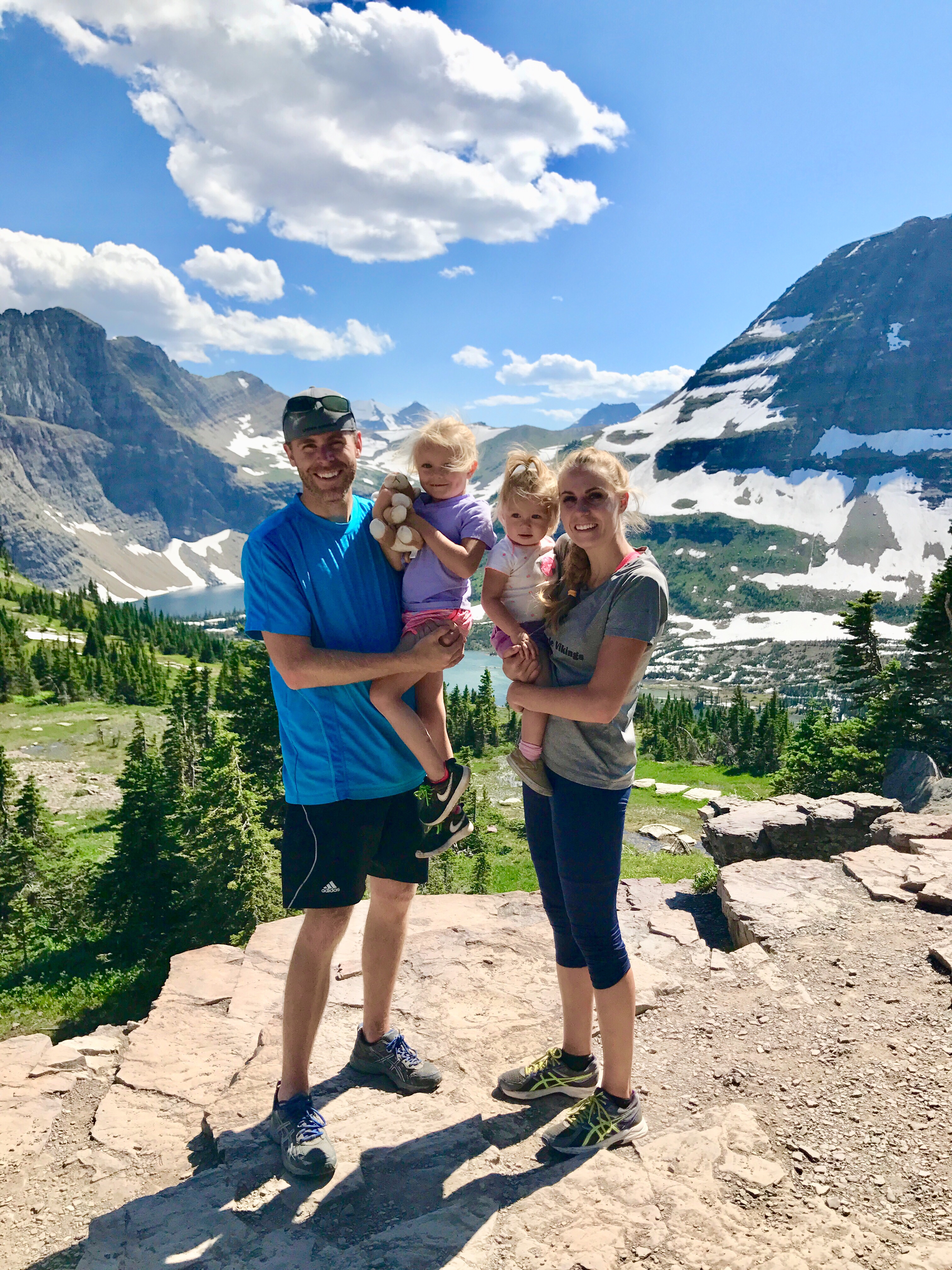 I was a little nervous when we started this diet because I had a race coming up at the same time we’d be finishing it. If you read my other diet experiences, then you know all the other diets took a serious toll on my body and my running. I had major GI distress that made it difficult to run too far away from a restroom. I was also nervous because I knew I would be drastically increasing my miles this month and that usually causes issues in and of itself.
On the first day, I went for a long run and it was completely miserable. My stomach felt like it was on a roller coaster ride. I actually ended up having to change my course so I could get to a restroom. I came home feeling really worried about how the next three weeks would go and how it would affect my race. But my body adjusted really fast and all my other runs went great. I felt ready for my upcoming race.
We created a lot of new recipes for this diet and I truly enjoyed every meal. I actually didn’t have any issues with feeling deprived, since we were still able to enjoy delicious desserts. There are actually a ton of vegan options out there for yogurts, ice cream, and meatless proteins. Mother's Day was a little rough for me only because I felt like my diet made me an outcast. We had a family meal at my in-laws' house and knowing that there wasn’t going to be any vegan options, I packed my own dinner. Now my dinner was delicious, but I did feel like I was missing out on the socialization that comes with enjoying a meal with family.
I really didn’t have any animal product cravings until the last week (I blame my menstruation cycle for this). I started craving red meat, which is extremely rare for me. I’m not really a red-meat person and I usually have it in my diet to help with my anemia. I do supplement with iron, but I also try hard to consume iron-rich food sources and cook most of my food on cast iron. I’m not sure if the cravings were a mental thing or if my body was really needing more iron. I did feel more tired and drained than normal that week, but my energy came back as soon as my cycle was over.
Overall, I really enjoyed this diet. While I won’t maintain a strict vegan lifestyle, I’m definitely going to make more meatless meals. This diet proved to me that you can train hard and be a vegan!
Hannah Mann
 The vegan diet was the one I was LEAST excited for. When it comes to cooking a meal, the first thing that comes to my mind is meat. Before doing this diet, I didn’t even know how to make a meal without meat in it. So I was very skeptical about how everything was going to taste and if I was going to feel like I was missing out on something.
A few days into the diet I was already searching for treats that were vegan, and I found a lot of options. I still wanted to eat healthy though and not cave into all the junk, even if it was labeled vegan. I was pleasantly surprised with all of our meals because they were so yummy! I would have never guessed that I was eating something vegan.
Throughout the rest of the diet, I never felt like I was missing out on meat or dairy. We had soy or almond milk (as needed) and the meals were so satisfying. The recipes our dietitians created were amazing and I loved all of my meals. Mentally, this diet was by far the easiest for me. I could eat as much as I wanted and I could eat an Oreo if I needed something sweet. Even though Oreos are one of my favorite treats, I still tried to find healthier treat options that I wouldn’t normally grab.
I didn’t lose any weight on this diet, but I did notice way less bloating and that my digestive system felt great. The biggest difference though was I FINALLY felt like I was eating a good amount of vegetables without feeling forced. I was constantly snacking on baby carrots or eating salads, and vegetables were incorporated into everything, which made my body feel energized. I’m hoping to add more meatless meals into my regular diet from now on!
Trevor Mann
 Initially, I was very skeptical about the vegan diet. The idea of abandoning meat, eggs, and dairy did not sound appealing to me at all. I rely on getting the majority of my protein from those sources, so I wasn’t sure if I was going to reach my protein goals each day. However, our nutritionists reassured me that it was possible and that it was going to be a lot easier than I thought.
The first few days were not bad at all. The meals were surprisingly delicious and I seemed to finish each meal satisfied. I did feel like I had to eat quite a bit more food to feel full, since most of the meals were “lighter” than what I typically eat.
I made sure to supplement at least one protein shake into my diet each day. iFit Nourish was my go-to protein powder, which I was able to create with no dairy and it was 100% vegan. So if I needed a quick snack or something to hold me over until the next meal, I’d just whip up a shake real fast.
Something that surprised me on this diet was the amount of energy I had during and after my workouts. It may sound cliche, but it felt like my body was using high-quality energy to get me through my workouts. I felt really, really good and I personally think it’s because my body didn’t have to work as hard to process my food. However, I did feel hungrier after my workouts.
Overall, I really enjoyed this diet! It was a surprise to my meat-loving self. I had great results and didn’t see any lack of strength or endurance throughout. With that being said, I wouldn’t choose it as a lifestyle. The reason isn’t that I had a bad experience, but mainly because I really like my meats, poultry, and dairy. So it’s just a personal preference to not live a vegan lifestyle.
Becca Capell
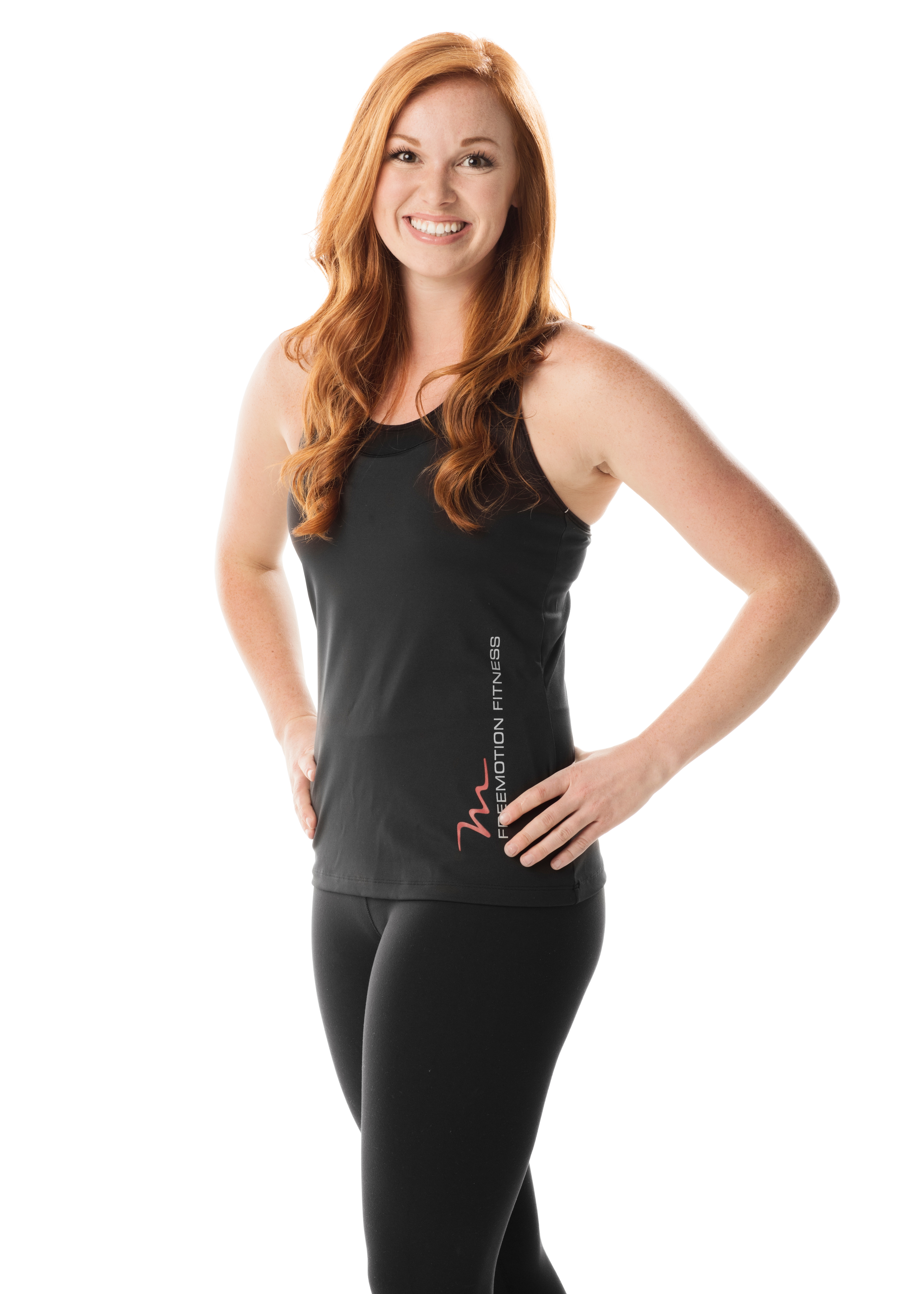 First things first, I’m a human who loves animal products. I love eggs, meat, honey, and occasionally cheese. I feel like I do fairly well at eating things in moderation, but I don’t like cutting ice cream out of my diet if I don’t have to. While I’m not one for diets, I thought it’d be a fun challenge to go vegan for a little bit.
The night before going vegan, I knew I needed to enjoy my last meal, so I opted for my favorite burger joint. I ate every last bite of that delicious, medium-cooked beef patty. It was so good and it made me feel a little better about saying goodbye to all animal products for three weeks.
There are a lot of things, besides meat, eggs, and dairy, that you can’t eat on this diet. I found myself googling vegan-friendly chewing gums (spoiler alert: some are not!), and I was a little sad when I realized I couldn’t take my biotin gummies due to the gelatin in them. On the bright side, I’ve never been on a diet where I could have Oreos, so there’s a first for everything. Goodbye vitamins and lean meats, hello Oreos! (Jk, but also kind of true.)
In general, I eat a lot of vegetables and I regularly have tofu in my fridge, so I figured some elements wouldn’t be too hard. When it came to the meals, I truly enjoyed just about everything I ate, but there were definitely things I struggled with. As a single female, I occasionally go on dates and finding restaurants that catered to a vegan lifestyle in a small town was a challenge. I was surprised at how often I had to ask the server a myriad of questions before I could find out what was suitable. And then I’d have to make about seven substitutions, or rather subtractions, to make my meal compliant. If I didn’t, I was stuck with a salad (sans meat, cheese, and sometimes dressing) that left me feeling unsatisfied. In larger cities, this would be less of an issue, but in rural areas, there aren’t many restaurants that cater to different dietary restrictions.
The biggest change in my diet was probably my carb intake. I was eating much more fruit, grains, and legumes, and I definitely increased my fiber intake a bit. I had a few days of GI distress, but nothing too terrible. For the most part, I felt great. Over the course of those three weeks, I went on several fairly long runs and hikes, and my energy level was always good (debatably better than usual). I didn’t feel like I lost any muscle mass, despite the lower protein levels, and I found myself feeling very satisfied after meals. However, I did get hungrier faster and I wanted to snack more frequently. From the initial to final weigh-in, I lost one pound, but I’m already at a healthy weight, so this wasn’t a big deal to me.
Overall, I felt like it was a pretty sustainable diet. I missed the convenience of some of my favorite meals (eggs especially), but I never had any intense cravings. I liked that I wasn’t restricted on quantities, so if I was hungry, I could always have more or add in a snack. If anything, the past few weeks have taught me three things: I need to add more whole grains and legumes into my diet, my meals can still taste good with plant proteins, and avocados taste good on everything.
WARNING: This post is not intended to replace the advice of a medical professional. The above information should not be used to diagnose, treat, or prevent any disease or medical condition. Please consult your doctor before making any changes to your diet, sleep methods, daily activity, or fitness routine. iFit assumes no responsibility for any personal injury or damage sustained by any recommendations, opinions, or advice given in this article.
You might also like
Series Feature: Mood Food: Nutrition for Your Mind
Head to the kitchen for the delicious Mood Food: Nutrition for Your Mind Series with iFIT Guide Dr. Eva Selhub! About iFIT Guide Dr. Eva Selhub Board Certified in Internal Medicine, iFIT Guide Dr. Eva has extensive knowledge of the body and how it works. She combines this knowledge with alternative forms of medicine to help others transform their health and well-being. Dr. Eva encourages others to strive for physical, mental, and spiritual health through redefining their approach to health and fitness. Her goal is to translate complex scientific and medical information into practical and usable knowledge that everyone can access to improve their lives. About the workouts In this 12-part food adventure, Dr. Eva will take a deep dive into all aspects of food, nutrition, and health as they relate to your body and mind. You’ll learn how to eat mindfully to help your brain, your microbiome, your mood, and so much more as Dr. Eva takes you to the iFIT Kitchen. At the end of every video, she’ll challenge you with short exercises that you can do daily or weekly to start implementing these healthy practices into your daily life. Take control of your health and learn more about what your body and mind need to fuel itself! About iFIT Mind™ iFIT Mind offers unique, groundbreaking content that expands the definition of what it means to work out. You’ll learn from experts in both physical and mental training to help you become the best version of yourself through mindfulness, meditation, and movement. You can support your nutrition journey with our printable recipe book, created by Dr. Eva. In it, you’ll find recipes to help you incorporate vegetables and protein into your diet, from breakfast to dinner. Ready to get started? Join this series now! Disclaimer: This blog post is not intended to replace the advice of a medical professional. The above information should not be used to diagnose, treat, or prevent any disease or medical condition. Please consult your doctor before making any changes to your diet, sleep methods, daily activity, or fitness routine. iFIT assumes no responsibility for any personal injury or damage sustained by any recommendations, opinions, or advice given in this article. Always follow the safety precautions included in the owner’s manual of your fitness equipment.
May 12, 2021
Exercise While Taking GLP-1: A Muscle-First Plan
Navigating a calorie deficit on GLP-1 medications often brings unexpected side effects like lower energy and fatigue. Pushing through exhaustion isn't the answer—moving smarter is. This muscle-first guide dives deep into the essential lifestyle pillars that support your training consistency. Learn how precise hydration habits defend against fatigue, and discover the striking science of how sleep duration directly impacts your body composition during weight loss. Complete with a flexible, one-week sample schedule, this guide shows you how to adjust your training intensity on tired days so you can protect your progress without overexertion.
May 26, 2026
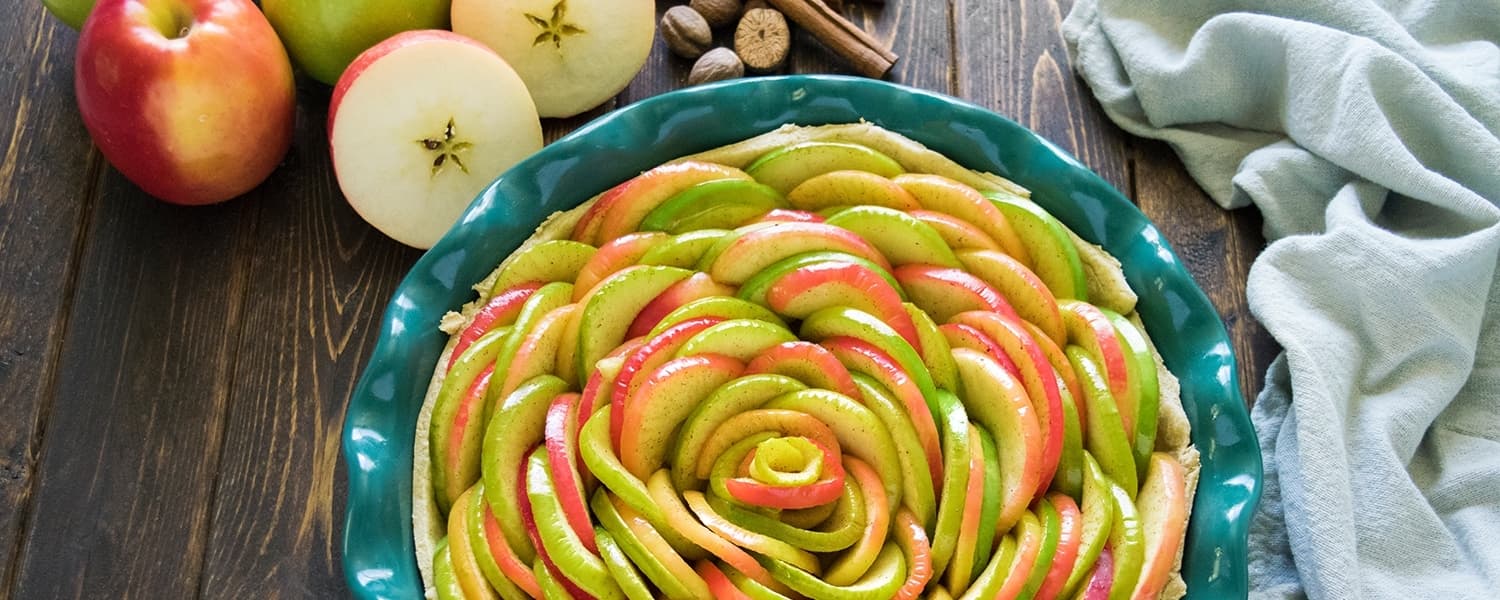
Apple Rose Pie
Ingredients For the pie crust ½ cup all purpose flour ¾ cup whole wheat flour 1 tablespoons sugar ¼ teaspoon salt 2 tablespoons cold unsalted butter, cut into small pieces 2 Tablespoons nonfat Greek yogurt 1 ½ tablespoons vegetable oil 2 tablespoons ice water For the filling 3 Pink lady apples 3 Granny Smith apples 1 tablespoon lemon juice ¼ cup brown sugar ¼ cup granulated sugar 1 teaspoon cinnamon ¼ teaspoon nutmeg Directions Combine flour, sugar, and salt in a medium bowl. Cut in butter with a pastry blender until crumbly. Mix in the Greek yogurt and vegetable oil. Add water, 1 tablespoon at a time, and combine with a fork until the mixture can form a ball. Lightly flour some plastic wrap, then place the dough on top. Flatten out dough. Cover with plastic wrap, then place in the fridge for 20 minutes. While dough is chilling, preheat oven to 425°F. Remove dough from fridge. Roll out on a floured surface to ⅛ thickness. Place dough in a 9-inch pie pan, then trim the edges. While oven is preheating cut the apples into thin semi-circle shapes leaving the skin on. Toss the apples in a large pot with the lemon juice, brown sugar, granulated sugar, cinnamon and nutmeg. Heat on medium high heat just until the apples are soft enough to bend without breaking about ten minutes. And remember to save the juice. Carefully arrange the apple slices around the apple pie crust starting with the outside and making your way to the center of the pie. Once you get to the center of the pie take small pieces and bend them around each other to create the center of the rose. Try to make the apples as compact as possible and go back and fill in any spots as necessary. You should be able to get all six apples in it. Drizzle the leftover juice over the apples and bake for 30-45 minutes. Cut into 8 equal slices and enjoy! NUTRITIONAL INFO PER SERVING Calories 240 (50 from fat) Total fat 6g Saturated fat 2g Cholesterol 10mg Sodium 75mg Carbohydrate 45g (5g dietary fiber, 26g sugar) Protein 3g WARNING: This post is not intended to replace the advice of a medical professional. The above information should not be used to diagnose, treat, or prevent any disease or medical condition. Please consult your doctor before making any changes to your diet, sleep methods, daily activity, or fitness routine. iFit assumes no responsibility for any personal injury or damage sustained by any recommendations, opinions, or advice given in this article.
May 13, 2017