Follow Us


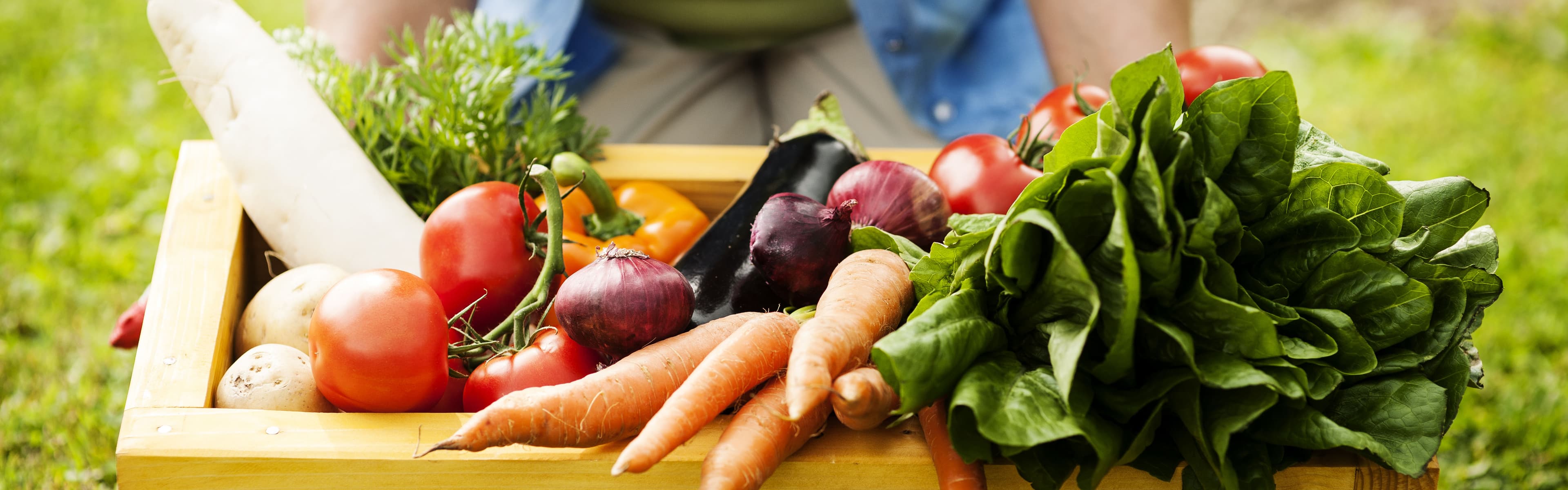
Organic is all the rage...should you buy into this popular food fad?
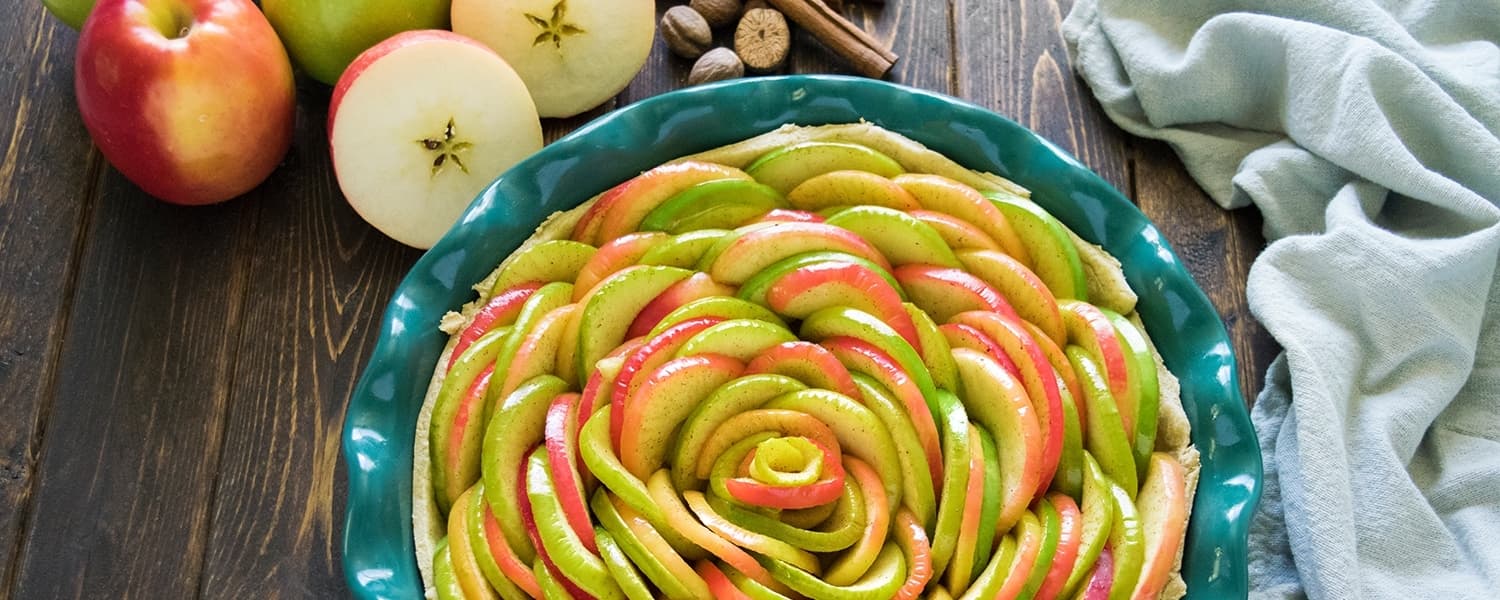
Biting into a deliciously fresh apple can be both invigorating and satisfying. You feel accomplished because you know you’ve made a healthy food choice. It’s better for you than a candy bar, and it’s also tasty…but what if you knew that biting into that apple also released dangerous chemicals into your body? Would you second-guess taking that bite?
The modernization of crop growth has led to many chemicals and growth hormones sprayed on or added to even the most natural foods. Although the amounts used (and the residuals left over) are far below what the U.S. Environmental Protection Agency (EPA) sets as safe, many are still choosing to avoid these chemicals, and their possible harmful effects, altogether by choosing organic foods.
Organic foods have passed a series of regulations. In order to gain U.S. Department of Agriculture (USDA) certification, organic farms and processors must prove that they:
Currently, the term GMO is used to describe Genetically Engineered Organisms where genes are quickly modified in a laboratory setting instead of years of breeding. Although highly tested, there are inherent risks in manipulating genes and there may be possible unforeseen problems.
Over 80% of the scientific community agrees that the potential risks of GMOs are outweighed by potential benefits, such as decreased chemical use, soil erosion, potential growth in harsh environments around the world, and greater yield. However, because of potential risks, many people are choosing to avoid GMOs. If you are one of that number, you can easily evade them by choosing organic foods.
There are many reasons to pick organic over non-organic. However, it is important to note that conventional foods are still considered safe and healthy. Many people still shop for conventional foods because organic foods are typically a bit more expensive. If you’d like to start eating organic, but you’re not sure if you can afford it, consider starting out by studying the following lists from the Environmental Working Group (EWG):
The Dirty Dozen™ are foods that you should buy organic to avoid high concentrates of pesticides and chemicals. The list includes apples, peaches, nectarines, strawberries, grapes, celery, spinach, sweet bell peppers, cucumbers, cherry tomatoes, imported snap peas, and potatoes.
The Clean Fifteen™ are foods that use the lowest amounts of pesticides as they are cultivated. These are the best foods to purchase non-organic: avocados, sweet corn, pineapples, cabbage, frozen sweet peas, onions, asparagus, mangoes, papayas, kiwis, eggplant, grapefruit, cantaloupe, cauliflower, and sweet potatoes.
Other options for obtaining inexpensive, organic produce include growing your own vegetables, fruits, and herbs as much as possible. If you don’t have the land or resources to do so, then a local farmer’s market is your next best bet for less expensive, organic produce.
If you’re planning to consume processed food, look for the USDA organic label. This label means that at least 95% of the ingredients have passed the USDA’s strict guidelines on growing, harvesting, and processing these foods. However, the organic label doesn’t necessarily mean that the food is 100% healthy. Watch out for high sugar, fat, salt, or calories, as well!
WARNING: This post is not intended to replace the advice of a medical professional. The above information should not be used to diagnose, treat, or prevent any disease or medical condition. Please consult your doctor before making any changes to your diet, sleep methods, daily activity, or fitness routine. iFit assumes no responsibility for any personal injury or damage sustained by any recommendations, opinions, or advice given in this article.
May 13, 2017