Science
Chronicles of the Heart Part 2: Guide to Heart Rate Training
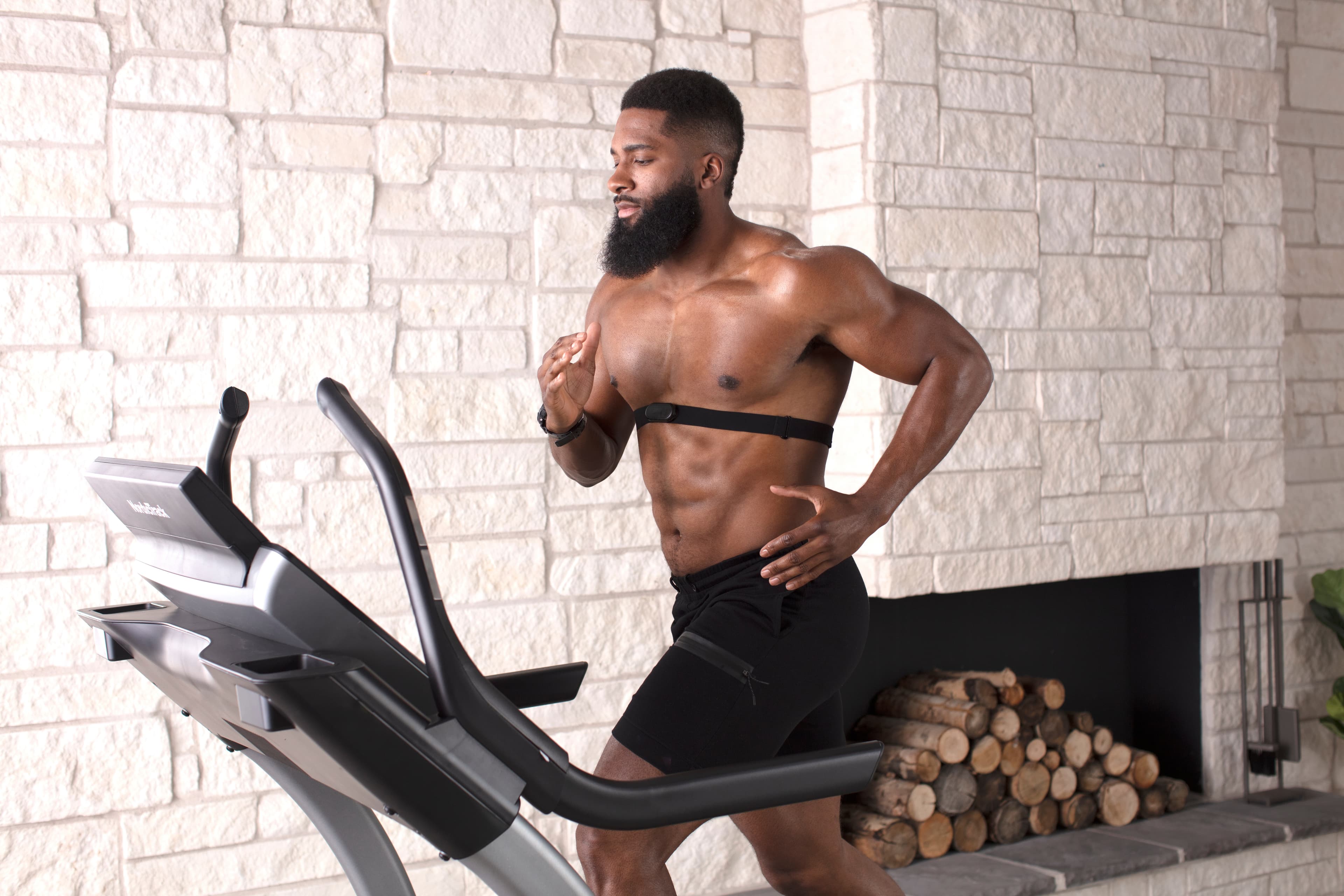
Editor’s note: this article is the second part of a two-part series on heart health. The first part introduces the functions of the heart, the importance of taking care of it, and lifestyle changes you can make. The second part discusses why heart rate matters, how to calculate your heart rate for training, and how to incorporate it into your fitness routine. While everyone’s fitness routine may differ, most of us tend to focus on strengthening different parts of our bodies — legs, abs, arms, glutes, etc. But what about your heart? In this article, we’ll focus on how to calculate your heart rate and why it’s essential to work out in the optimal heart rate zone. In Chronicles of the Heart Part 1: Why Heart Health Matters, we discussed the many benefits of caring for your heart. Changes in your diet, reducing stress, and exercising were all factors that we mentioned to improve our overall health. Now, to bring some much-needed attention to heart health, here is how to calculate your heart rate and understand the zones to help maximize your fitness routine! Calculate your heart rate While there are fitness wearables that can automatically calculate your heart rate zones for you, you can also do it yourself. All you need is a calculator, a timer, and a piece of paper. Calculations Resting Heart Rate (RHR) While lying in bed, count your heart beats for one minute. Do this over three days and then use the average. Maximum Heart Rate (MHR) Either perform a HR max test or calculate your estimated HR max with the age calculation formula below. Heart Rate Reserve (HRR) This is the difference between your resting and your max heart rate. Understand the heart rate zones Duration: unlimited Here’s where your health benefits start to kick in, and Zone 1 is a great place to be. While you won’t experience significant cardio benefits immediately, some research has shown that Zone 1 activities decrease disease rates and increase overall health. It’s a great intensity level for recovery days, as well. Duration: < 90 minutes If weight management is your goal, then Zone 2 can help. This workload is maintainable for up to 90 minutes, and it’s the lowest intensity level where your cardiovascular system can still see improvements. For long endurance training (half marathon or longer), aim for up to 80% of your training time to come from this zone. Duration: 30–45 minutes Zone 3 is where your body gets the most cardiovascular benefits, and it’s sometimes referred to as the aerobic zone. When it comes to developing stamina and increasing aerobic capacity, Zone 3 is where it’s at. It’s also shown to be the most effective training zone for developing strength in weight training. For general fitness goals, Zone 3 is ideal. Duration: 10–20 minutes Between Zones 3 and 4, most people switch from an aerobic (with oxygen) to an anaerobic (without oxygen) energy system. This is where the level of exertion is no longer sustainable since the body becomes less efficient at producing energy from fuel sources. When it comes to boosting your performance and increasing your lactate threshold, training in Zone 4 is key. Duration:<5 minutes Zone 5 isn’t just for elite athletes, but caution is advised. For older adults and beginners, high-intensity training isn’t necessary. However, if you’re in good health, you may be able to do high-intensity workouts, so long as you consult a medical professional first. It can be just what you need to see an increase in your performance. Use Zone 5 for short sprints and during competitions. Reap the benefits When it comes to working out, heart rate training is as personal as it gets. It means that you are listening to your physiological responses during your workout and making adjustments along the way. Remember that you don’t have to run or push yourself to intense limits. Also, heart rate training helps you avoid overtraining, but it will naturally force you to progress as your fitness level gradually increases. Disclaimer: This blog post is not intended to replace the advice of a medical professional. The above information should not be used to diagnose, treat, or prevent any disease or medical condition. Please consult your doctor before making any changes to your diet, sleep methods, daily activity, or fitness routine. iFIT assumes no responsibility for any personal injury or damage sustained by any recommendations, opinions, or advice given in this article. Always follow the safety precautions included in the owner’s manual of your fitness equipment.
March 8, 2019
Read More

Chronicles of the Heart Part 1: Why Heart Health Matters
Editor’s note: this article is the first part of a two-part series on heart health. The first part introduces the functions of the heart, the importance of taking care of it, and lifestyle changes you can make. Stay tuned for Chronicles of the Heart, Part 2: All About Heart Rate, to learn why heart rate matters, how to calculate your heart rate for training, and how to incorporate it into your fitness routine. PSA: YOUR HEART NEEDS ATTENTION! We are all well aware that the heart is the most critical muscle in the body. In fact, it’s what keeps you alive. Your adult heart beats approximately 100,000 times daily — 60–100 beats a minute at a resting state, according to the American Heart Association. Constantly adjusting to your ever-changing demands for more or less blood means it’s safe to say your heart is the hardest working muscle in your body, so it’s crucial to give it your attention and a little TLC. But before we dive into the details, let’s refresh our memories with a fourth-grade science lesson. Your heart is a muscle that pumps blood throughout your body via arteries and veins (a.k.a. blood vessels). The left side of your heart sends oxygen-rich blood to your body, circulating through every cell in less than 60 seconds. Then, the returning blood enters the right side of the heart, which pumps the blood into your lungs for a bit of cleansing before sending it back out. Your heart rate is the number of times your heart beats per minute. At a resting heart rate (60 beats per minute to 100 beats per minute), your heart is pumping the lowest amount of blood you need because you might be sitting or lying down and feeling relaxed. When you’re exercising or active, your heart rate increases, allowing your heart to satisfy your body’s need for more oxygen. As obvious as it may seem, maintaining a healthy heart will help you keep your body strong, regardless of age, according to the Heart Research Institute. If you are younger, getting comfortable with simple steps that help take care of your heart can be beneficial in the long run. If you are older, knowing how to take care of your heart can help you make sure it isn’t working too hard and reduce your risks of cardiovascular disease. Know your heart health factors The first step in caring for your heart is getting to know it better. As self-regulating as your heart may be, many psychological, physiological, and environmental factors can affect your heart rate (and your heart health). Your fitness level, sleep (or lack thereof), hydration levels, stress levels, and fatigue are all internal factors influencing your heart rate. On top of this, how much caffeine you drink, body and environment temperatures, humidity levels, and even the altitude at which you live can also affect your heart rate. Your heart rate is highly susceptible, so even the slightest changes, for example, anticipating a workout, can measurably boost your heart rate. Nurture your heart health Maintaining a healthy diet is one of the best ways to take care of your hard-working heart. This includes reducing salt and alcohol consumption, eating more grains, and keeping saturated fats to a minimum (found in fatty meats, high-fat dairy, and processed foods). However, this doesn’t necessarily mean eating grass or tofu for the rest of your life — balance is essential. Getting your five-a-day in (eating at least five portions of fruits and vegetables a day) will boost your potassium intake, which helps lower your blood pressure. Plus, fruits and veggies contain many nutrients that help keep your heart healthy and lower cholesterol. Experts also suggest consuming more omega-3 fatty acids, which means eating more fish. Vegetarians can get omega-3 fats from walnuts, spinach, wheat germ, pumpkin seeds, and more. Stay active The fact is moderate to vigorous physical activity strengthens your heart. Exercising helps your heart pump more blood with each heartbeat, delivering more oxygen to your body and, in turn, making it function more efficiently. Exercise can also lower blood pressure, reduce the risk of heart disease, and reduce your low-density lipoprotein (bad cholesterol) levels. Moreover, exercise raises your high-density lipoprotein (good cholesterol) levels, which can help carry fatty deposits out of your arteries. By exercising, you’ll also build lean muscle and burn calories faster. The National Heart, Lung, and Blood Institute suggests that moderate-intensity aerobic exercise for at least two-and-a-half hours a week or vigorous aerobic exercise for one-and-a-half hours a week are an ideal exercise routine — but remember that everyone’s body is different, and speak to a medical professional before beginning a new fitness routine. Why it matters Taking care of your heart not only keeps your body functioning properly, but it can help lower your risks of heart disease and other cardiovascular diseases. To that end, the human body is a complex, interconnected system. Think of your heart as the main generator that commands every organ, muscle, tissue, and cell to work harmoniously and keep you going. If your heart isn’t successfully providing your body with an adequate amount of blood and oxygen, different functions will be affected. By maintaining a healthy diet and a consistent exercise routine, you’ll give your heart the attention it needs to keep your body functioning at its best! Disclaimer: This blog post is not intended to replace the advice of a medical professional. The above information should not be used to diagnose, treat, or prevent any disease or medical condition. Please consult your doctor before making any changes to your diet, sleep methods, daily activity, or fitness routine. iFIT assumes no responsibility for any personal injury or damage sustained by any recommendations, opinions, or advice given in this article. Always follow the safety precautions included in the owner’s manual of your fitness equipment.
February 6, 2019
Read More