
Editor’s note: this article is the second part of a two-part series on heart health. The first part introduces the functions of the heart, the importance of taking care of it, and lifestyle changes you can make. The second part discusses why heart rate matters, how to calculate your heart rate for training, and how to incorporate it into your fitness routine.
While everyone’s fitness routine may differ, most of us tend to focus on strengthening different parts of our bodies — legs, abs, arms, glutes, etc. But what about your heart? In this article, we’ll focus on how to calculate your heart rate and why it’s essential to work out in the optimal heart rate zone.
In Chronicles of the Heart Part 1: Why Heart Health Matters, we discussed the many benefits of caring for your heart. Changes in your diet, reducing stress, and exercising were all factors that we mentioned to improve our overall health.
Now, to bring some much-needed attention to heart health, here is how to calculate your heart rate and understand the zones to help maximize your fitness routine!

Calculate your heart rate
While there are fitness wearables that can automatically calculate your heart rate zones for you, you can also do it yourself. All you need is a calculator, a timer, and a piece of paper.
Calculations
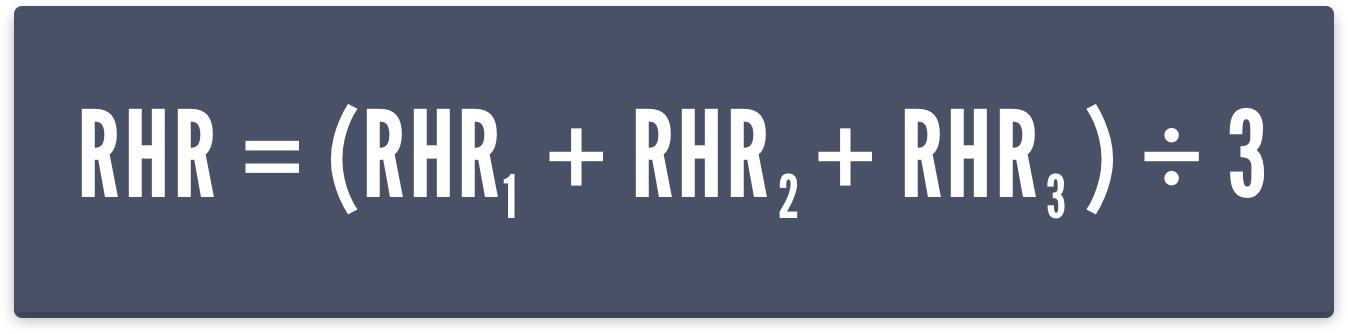
Resting Heart Rate (RHR)
While lying in bed, count your heart beats for one minute. Do this over three days and then use the average.
Maximum Heart Rate (MHR)
Either perform a HR max test or calculate your estimated HR max with the age calculation formula below.

Heart Rate Reserve (HRR)
This is the difference between your resting and your max heart rate.
 Understand the heart rate zones

Duration: unlimited
Here’s where your health benefits start to kick in, and Zone 1 is a great place to be. While you won’t experience significant cardio benefits immediately, some research has shown that Zone 1 activities decrease disease rates and increase overall health. It’s a great intensity level for recovery days, as well.

Duration: < 90 minutes
If weight management is your goal, then Zone 2 can help. This workload is maintainable for up to 90 minutes, and it’s the lowest intensity level where your cardiovascular system can still see improvements. For long endurance training (half marathon or longer), aim for up to 80% of your training time to come from this zone.

Duration: 30–45 minutes
Zone 3 is where your body gets the most cardiovascular benefits, and it’s sometimes referred to as the aerobic zone. When it comes to developing stamina and increasing aerobic capacity, Zone 3 is where it’s at.
It’s also shown to be the most effective training zone for developing strength in weight training. For general fitness goals, Zone 3 is ideal.

Duration: 10–20 minutes
Between Zones 3 and 4, most people switch from an aerobic (with oxygen) to an anaerobic (without oxygen) energy system. This is where the level of exertion is no longer sustainable since the body becomes less efficient at producing energy from fuel sources. When it comes to boosting your performance and increasing your lactate threshold, training in Zone 4 is key.

Duration:<5 minutes
Zone 5 isn’t just for elite athletes, but caution is advised. For older adults and beginners, high-intensity training isn’t necessary. However, if you’re in good health, you may be able to do high-intensity workouts, so long as you consult a medical professional first. It can be just what you need to see an increase in your performance. Use Zone 5 for short sprints and during competitions.
Reap the benefits
When it comes to working out, heart rate training is as personal as it gets. It means that you are listening to your physiological responses during your workout and making adjustments along the way. Remember that you don’t have to run or push yourself to intense limits. Also, heart rate training helps you avoid overtraining, but it will naturally force you to progress as your fitness level gradually increases.
Disclaimer: This blog post is not intended to replace the advice of a medical professional. The above information should not be used to diagnose, treat, or prevent any disease or medical condition. Please consult your doctor before making any changes to your diet, sleep methods, daily activity, or fitness routine. iFIT assumes no responsibility for any personal injury or damage sustained by any recommendations, opinions, or advice given in this article. Always follow the safety precautions included in the owner’s manual of your fitness equipment.
You might also like

Introducing SmartAdjust™ for Your Treadmill: iFIT’s New Personalized Workout Experience
SmartAdjust personalizes your treadmill workout before it even starts, adapting speed and incline to your fitness level in real time.
March 16, 2021

Strength Training While on GLP-1: A 6-Week Plan
When your body weight changes, you aren’t just losing fat—research shows you risk losing lean muscle mass, too. Protecting that muscle is the key to maintaining your metabolism and everyday strength. This practical 6-week guide breaks down exactly how to structure a simple, 20-to-30 minute full-body strength routine 2–3 times a week. Built around foundational compound movements like squats and rows, this plan shows you how to safely implement progressive overload without burning out your energy. Give your body a clear signal to keep its muscle and build a routine that sticks.
May 26, 2026

Find Your Stride with Tommy Rivs in the Joy of Running Part 2: Redwoods, Workouts 1-10
There’s just something magical about taking your next step forward, especially when it means you’re surrounded by the towering redwoods and rugged beauty of California’s northern coast. iFIT Trainer Tommy Rivs’ newest series will help you experience the magic of this region with the Joy of Running Part 2: Redwoods, Workouts 1-10. This beginner-friendly program is designed to help you progress from walking to running at your own pace.Explore California’s Scenic CoastSet along breathtaking coastal trails and through scenic redwood groves, this series brings the natural beauty of Northern California to your treadmill. From the peaceful paths of Laguna Point to the rolling meadows of Mendocino Headlands, each workout is an opportunity to breathe, move, and connect with the pure joy of movement.Make Progress with Tommy RivsKnown for his thoughtful coaching and love of movement, Tommy Rivs will guide you through a mix of walking and running intervals to gradually build your endurance and confidence. Each workout keeps the speed steady while changing your movement so you can focus on how your body feels and adapts as you move.Whether you’re returning to fitness or taking your first steps toward running, this series is all about moving forward with purpose. Tommy will help you to:Develop endurance and build strength with progressive intervalsImprove your form and consistency with his expert guidanceReconnect with the joy of movement in an inspiring settingBuild confidence to take on your next running challengeThis is only the beginning; there’s so much more to come with Rivs. For now, lace up those shoes and join him for an incredible journey amongst the redwoods.Join Tommy Rivs in the Redwoods
November 3, 2025