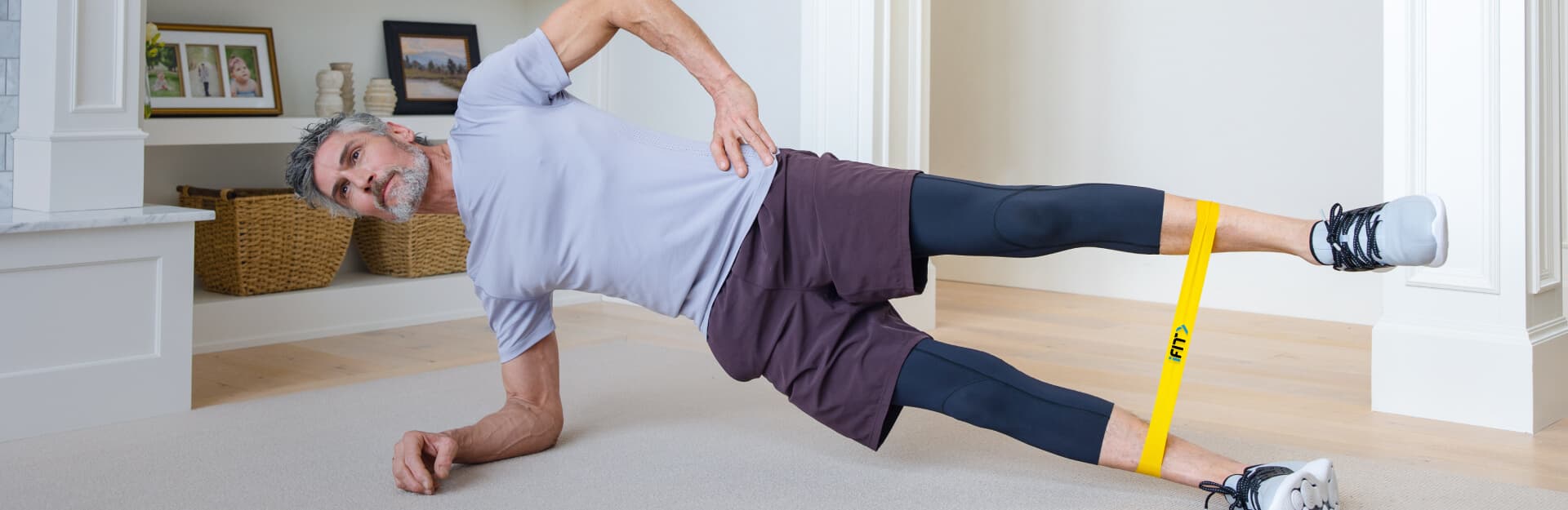
What Are the Best Lower Body Exercises?
As we age, mobility becomes something to take into consideration. Issues arise in the form of joint pain, arthritis, osteoporosis, and muscular weakness. While we can’t prevent all of the effects of aging, the body can be kept strong and mobile longer through exercise.
Every functional movement is powered by the lower body. Walking, bending down, running, descending stairs, sitting, and standing require lower body mobility. If you’ve never focused on building strength in your legs, now is the time to start!
We’re highlighting the best, most effective lower body exercises, many of which you can try out right away. When you sign up for iFIT, you can easily join a lower body class that will empower you to keep showing up for yourself!
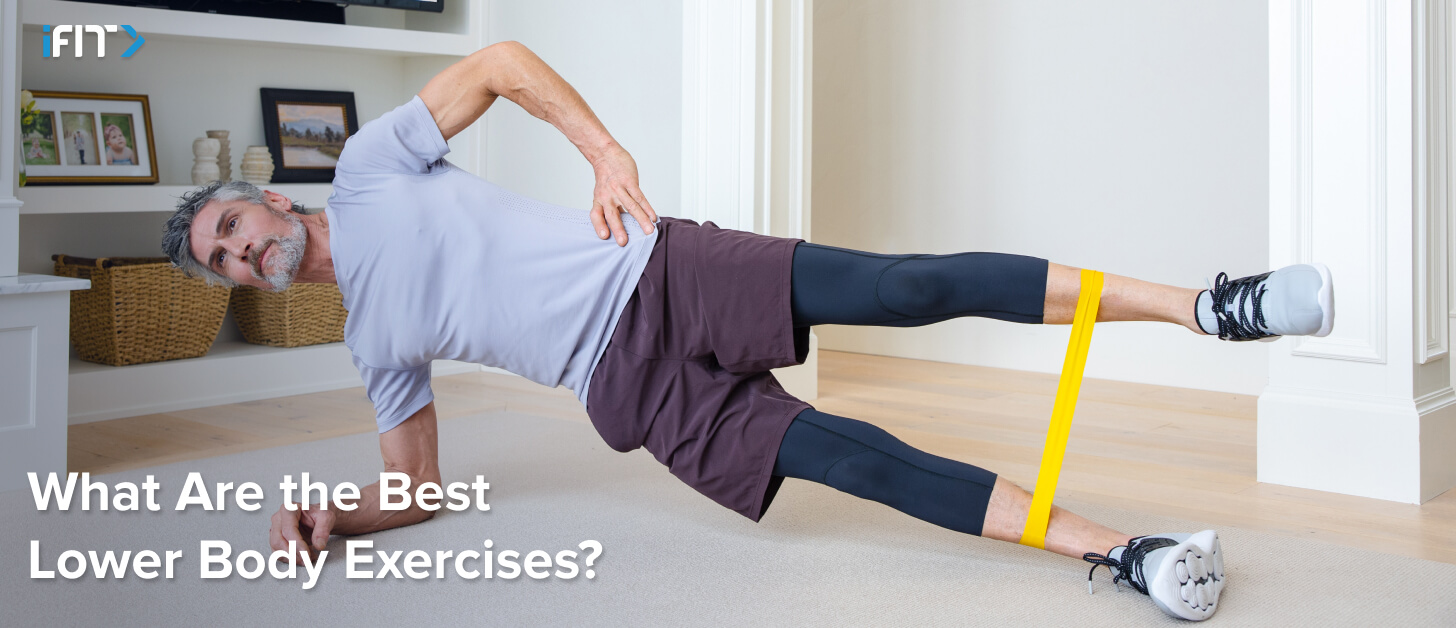
Why is it important to build lower body strength?
Bones can be strengthened through strength training and weight-bearing exercise. Does this mean you need to lift heavy weights? No! Strength can be built using light to moderate weight without putting too much pressure on the joints. Weight-bearing exercise is one of the best ways to keep the body strong, as it contributes to bone mineral density. When bone mineral density is reduced, older people (especially women) are more at risk for osteoporosis. Weight-bearing exercise can be as simple as walking and climbing stairs, or as challenging as running and jumping rope.
With weight-bearing exercise, we’re looking for movements that demand the body to bear its weight. Walking and running seem simple enough, but there are many different moving parts to these types of movements. The entire lower body must work in sync to effectively put one foot in front of the other. When the quadricep muscles are weak, or the ankles feel unstable, walking or running can feel challenging. Over time, this could affect everyday mobility. This is why exercising the lower body is so important!
Whether you enjoy using weights or prefer sticking to bodyweight, there are many different types of lower body exercises that will effectively strengthen your leg muscles, improve circulation, and facilitate healthier joints.
When should I do lower body exercises?
You might ask, “When is the right time to do lower body exercises—before or after aerobic exercise?” In a study examining “muscle activation and performance during lower- and upper-body resistance exercise workouts,” participants engaged in four trials in random order. For two of the trials, they exercised on elliptical machines for 30 minutes, followed by either bench press or back squat exercises. The other two trials were only bench press and back squat resistance training.
At the close of the trials, the study concluded that “...to optimize the quality of a lower-body resistance-training workout, the workout should not be preceded by lower-body aerobic exercise.” This means that to achieve the best results, do your cardio at the end of your workout.
Bodyweight lower body exercises
With bodyweight exercises, you can plan a lower body workout right at home without using additional equipment. Bodyweight exercises are perfect for strengthening bones because you must use your own weight as resistance. In fact, many of the most challenging HIIT workouts are comprised of bodyweight movements alone (Just ask iFIT Trainer Hannah Eden!). Here are the top bodyweight exercises for the lower body that can be done in your home gym, living room, or anywhere else.
Squats
When properly executed, bodyweight squats are incredibly effective for the lower body. The trick is to perfect your form so that you can propel your body up after squatting. Note that we do not want to hunch over, let the knees cave, or allow the feet to come off the ground. Keep your back straight, focusing on sitting back as if a chair or bench were there.
How to:
- Stand tall with your feet hip-width apart, and toes pointed forward (If this position causes pain in the knees, you can point the feet out at a slight angle). Ensure the feet are firmly planted.
- With the chest strong and upright, slowly lower into a squat with emphasis on shifting your weight into the heels. As a mental cue, pretend you’re sitting back into a chair.
- Lower your hips until your thighs are parallel with the floor. Bend your knees at a 90-degree angle. At no point should your knees cave in or out, nor should they extend beyond your toes.
- If you can, pause for one to two seconds at the bottom of the squat. You should feel the burn in your quads, not your back. If you feel pain in your back, pay attention to form, ensuring the back is straight and still during the squat.
- Keeping in form, return to your starting position without moving the feet.
Forward lunges
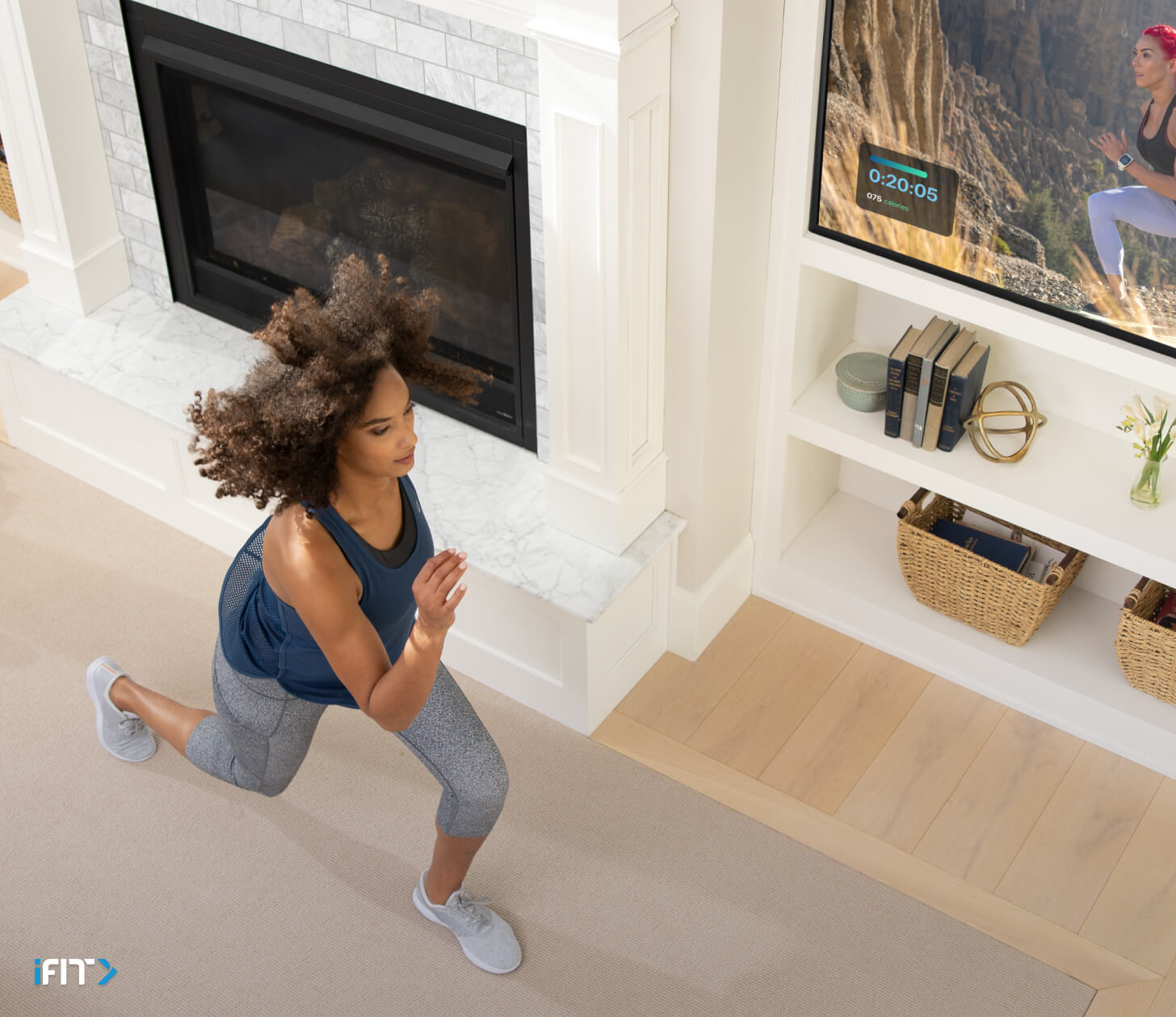
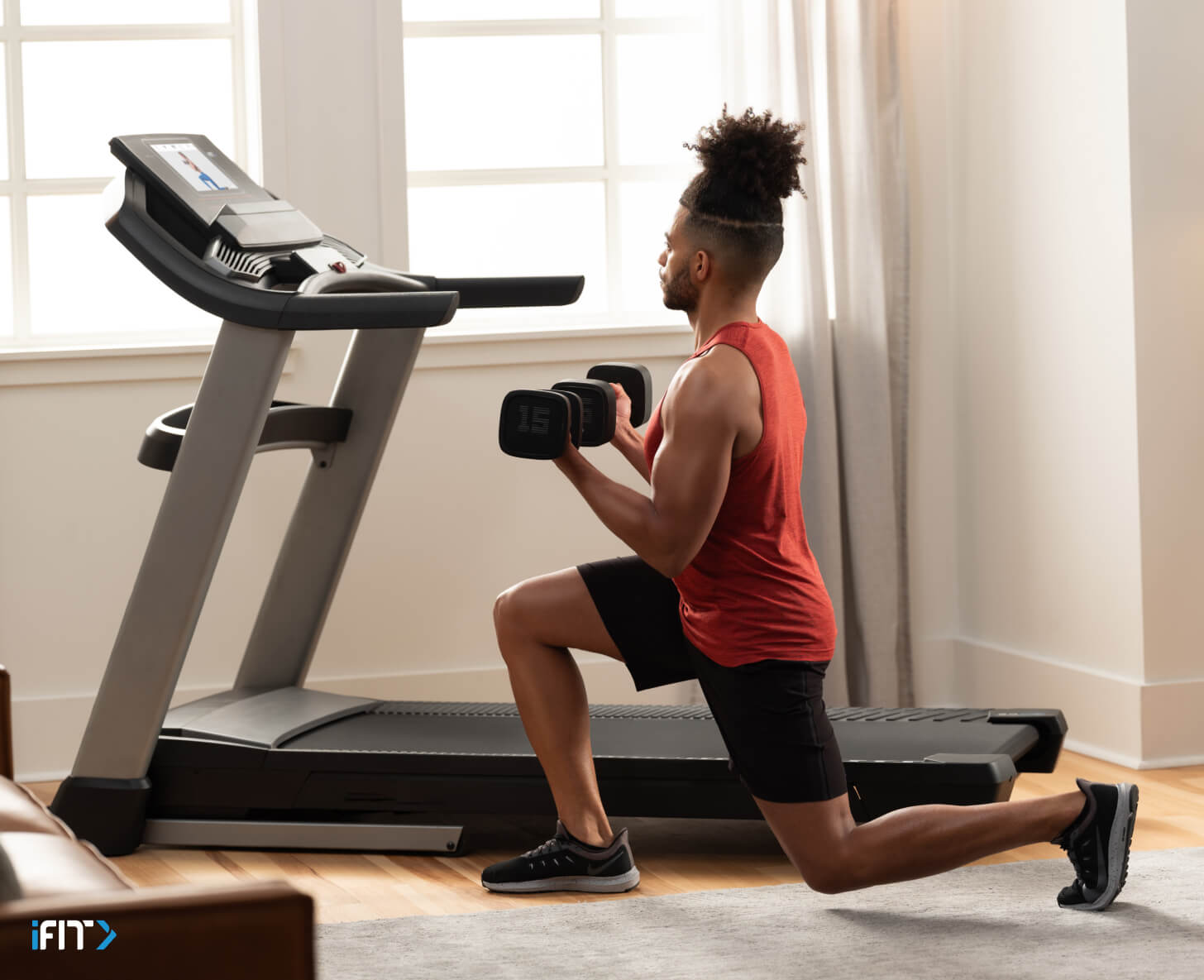
Lunges are a great test of lower body strength and stability, calling on the quadriceps, glutes, and even the core to carry out the movement. There are several different types of lunges, each offering its own kind of challenge.
How to:
- Place your feet together with the toes facing forward.
- With one foot planted, take one step forward with the other.
- Keep your chest tall, core engaged, and shoulders back.
- Lower the hips until the forward thigh is parallel to the floor. The back knee should be at a 90-degree angle. Do not allow the knees to bend past the toes.
- Return to the starting position and alternate sides.
Calf raises
As with the quadriceps and glutes, the calf muscles are essential for mobility. When you move, the calves are activated to pull the heel up for forward movement. Calf raises will strengthen the calves and your ankles at the same time. While this exercise can be done on flat ground, you can also perform it on the edge of stairs or any other elevated surface for a better stretch in the muscles.
How to:
- Stand straight with your feet hip-width apart.
- Lift your heels off the ground and balance on your toes.
- Hold for a few seconds, and lower your heels back down.
Reverse lunges
Reverse lunges are performed just like forward lunges but in the opposite direction. In this lower body exercise, you’ll feel the muscles in your quadriceps and hamstrings working as you step back.
How to:
- Begin with the feet together, flat on the floor.
- With one foot planted, take a step back with the other.
- Keep your chest tall and core engaged during this exercise.
- Lower your body until your back knee is bent at a 90-degree angle and the forward thigh is parallel to the floor.
- Return to the starting position and alternate sides.
Glute bridges
Glute bridges will strengthen your glutes, which are necessary for hip mobility, athletic performance, and posture. These muscles can even aid in injury prevention for the hips, knees, groin, lower back, and hamstrings.
How to:
- Lie on your back with your knees bent and feet flat on the floor, hip-width apart.
- Raise your arms toward the ceiling. Then, squeeze your glutes and raise the hips slowly off the ground. Only raise your hips a few inches, not as high as you can go.
- Pause for a few seconds, allowing the glutes to activate during the hold.
- Lower the hips back to the floor and relax the glutes.
Bird dogs
Want to strengthen your core and glutes? Bird dogs are a great lower body exercise that emphasizes stability. They may look simple, but bird dogs can seriously improve your abdominal and lower body fitness.
How to:
- Position yourself on your hands and knees, with the knees and hands stacked (the knees under the hips and hands under the shoulders). Your spine should be straight.
- Slowly raise one leg out to full extension (as high as possible).
- Raise the opposite arm straight out in front of you. Use your core to stabilize your body.
- Hold for a few seconds, then lower the arm and leg.
- Repeat the same movement with your other leg and arm.
Weighted lower body exercises
While bodyweight exercises are easy to add to your fitness routine, you may feel ready to integrate weights like dumbbells or barbells. If you feel that you’ve built a good foundation for your lower body with bodyweight exercises, adding more weighted movements will provide the challenge you’re looking for. As with the above bodyweight exercises, proper form is the key to strengthening your legs.
Deadlifts
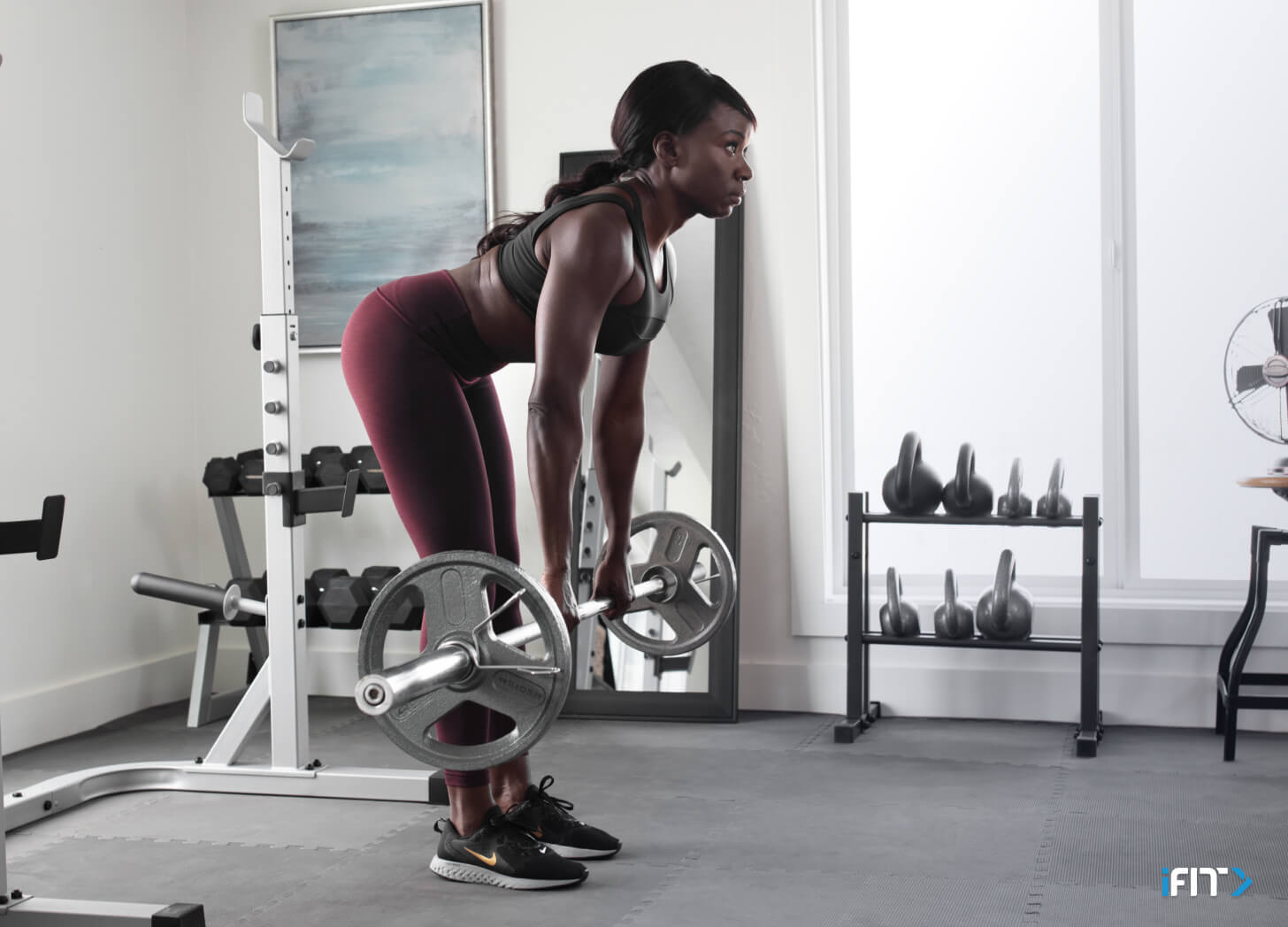
Deadlifts can be performed with dumbbells or kettlebells. While you can also use a barbell, we’re focusing more specifically on dumbbells and kettlebells here. They’re perfect for total body strengthening, relying heavily on the legs for power. Start with a low weight when you begin deadlifting to perfect your form. This will ensure you engage your hamstrings, core, and quadricep muscles.
How to:
- Stand straight up with your feet hip-width apart.
- With dumbbells, hold them at your sides. With a kettlebell, hold it in front of your body.
- Engage your core, back, and glutes.
- Take a deep breath and hinge the hips back, allowing your torso to become parallel with the ground. Do not allow the shoulders to roll forward. Note that this movement hinges at the hips, not at the knees. This exercise is not like a squat!
- Do not lock out the knees. Instead, keep them slightly bent.
- Return to the starting position.
Weighted squats
Weighted squats are an excellent way to turn up the heat on the tried and true bodyweight squat. Depending on if you choose dumbbells, kettlebells, or a barbell, there are slight form modifications. We’ll focus on the dumbbell and kettlebell set up here.
How to:
- Stand tall with your feet hip-width apart, and toes pointed forward. If this position causes pain in the knees, you can point the feet out at a slight angle. Ensure the feet are firmly planted.
- Hold your dumbbell or kettlebell out in front of you. You may also hold a weight in each hand if desired.
- With the chest strong and tall, slowly lower into a squat with emphasis on shifting your weight into the heels. As a mental cue, pretend you’re sitting back into a chair.
- Lower your hips until your thighs are parallel with the floor. Bend your knees at a 90-degree angle. At no point should your knees cave in or out, nor should they extend beyond your toes.
- If you can, pause for one to two seconds at the bottom of the squat. You should feel the burn in your quads, not your back. If you feel pain in your back, pay attention to form, ensuring the back is straight and not moving during the squat.
- Keeping in form, return to your starting position without moving the feet.
Single leg deadlifts
Single leg deadlifts are akin to regular deadlifts but rely on single leg balance to perform the movement. One trick to single leg balance: spread your toes out in your shoe! This engages your entire foot, distributing your weight throughout the toes and heel.
How to:
- Stand straight up with your feet hip-width apart.
- With a dumbbell or kettlebell, hold the weight out in front of you. You may also place the weight in your opposite hand for better balance.
- Hinging at the hips, lean forward and balance your weight onto one leg.
- Extend the other leg straight out behind you. Keep extending until the leg is parallel to the floor, keeping the back straight and shoulders rolled back.
- Pause, then return to the starting position.
- Alternate sides.
Kettlebell swings
Kettlebell swings engage the entire body, calling on the legs and glutes to power the movement from beginning to end. These provide a killer lower body workout, no matter when you do them.
How to:
- Stand straight up with the feet hip-width apart.
- Hold the weight with both hands out in front of your body and palms facing you.
- Bend the hips back and allow the weight to swing back between your legs.
- With force, propel the hips forward and allow the weight to swing up to shoulder height.
- Use momentum to continue the swings, but do not lose control of the weight.
Dumbbell lunges
Dumbbell lunges can be performed just like forward and reverse bodyweight lunges. This lower body exercise simply adds to the challenge! You may use kettlebells in the same way as dumbbells. The below how-to steps are for forward lunges, but you may refer to the above reverse lunge directions.
How to:
- Place your feet together with the toes facing forward.
- With dumbbells (or kettlebells), hold them at your sides.
- With one foot planted, take one step forward with the other.
- Keep your chest tall, core engaged, and shoulders back.
- Lower the hips until the forward thigh is parallel to the floor. The back knee should be at a 90-degree angle.
- Return to the starting position and alternate sides.
Bulgarian split squat
Bulgarian split squats are a versatile exercise to include in your gym or home workout. This movement targets the glutes, hamstrings, and quads as a single-leg exercise.
How to:
- Stand lunge-length in front of a bench or other elevated surface (like a chair).
- Hold a dumbbell or kettlebell in each hand, and rest one foot behind you on the bench or other surface.
- Lower your body as you would with a lunge, allowing your rear knee to nearly tap the floor. The front thigh should be parallel to the floor with the spine straight or slightly hinged forward. There should be no back pain in this position.
- Hold for one to two seconds, then push back up.
- Finish your repetitions on one leg, then alternate sides.
Get started with iFIT lower body workouts
Ready to start building up strength in your lower body? You can create your own workouts with these exercises or take it to the next level with our fitness app! When you sign up for iFIT, you’ll have access to our massive workout Library, filled with strength-building lower body classes led by our world-class trainers. With workouts filmed in stunning locations all over the world, you can have fun and build strength in your quads, glutes, and calves with your own personal trainer. Get going on your first lower body class with iFIT!
Disclaimer: This blog post is not intended to replace the advice of a medical professional. The above information should not be used to diagnose, treat, or prevent any disease or medical condition. Please consult your doctor before making any changes to your diet, sleep methods, daily activity, or fitness routine. iFIT assumes no responsibility for any personal injury or damage sustained by any recommendations, opinions, or advice given in this article. Always follow the safety precautions included in the owner’s manual of your fitness equipment.
You might also like
The iFIT Pilates Instructors Who Will Actually Change Your Practice
Meet the nine iFIT Pilates instructors and find the one whose approach fits where you are in your practice right now.
June 29, 2026
.jpg&w=3840&q=75)
Mediterranean Post Natal Strength Series: Rebuild your Strength, One Workout at a Time
Ease back into movement with the iFIT fitness app. The Mediterranean Post Natal Strength Series offers short, supportive workouts designed to help you rebuild strength, improve stability, and feel more confident after pregnancy—one step at a time.
May 4, 2026
Workout Snacks by Hannah Eden
Short on time? Workout Snacks by Hannah Eden delivers quick 5–15 minute strength workouts you can “snack” on throughout the day or stack together for an efficient, energizing training session.
March 16, 2026