
Get Better Beauty Sleep
Relaxing practices to help you wind down and get the rest you need.
Whether you’re a night owl or an early bird, everyone can benefit from a good night’s sleep. Even if you go to bed on time, it can occasionally take a couple of hours for our bodies and minds to settle down, making it hard to have a productive and happy morning after.
According to the Sleep Foundation, 50 to 70 million Americans suffer from chronic sleep disorders—that’s a substantial amount of the country! Don’t be a statistic...take charge and get into a healthy sleeping routine today.
Here are some helpful tips to relax and soothe your body and mind for bedtime.
1. Put the electronics away. Darkness stimulates the production of melatonin, a hormone that promotes sleep. So keep the electronic devices and those blue-light screens at bay, as well as the curtains drawn, to help you get to sleep faster. Whether it’s television, music, or a quick update on social media, anything that keeps the mind occupied and active is a no-go.
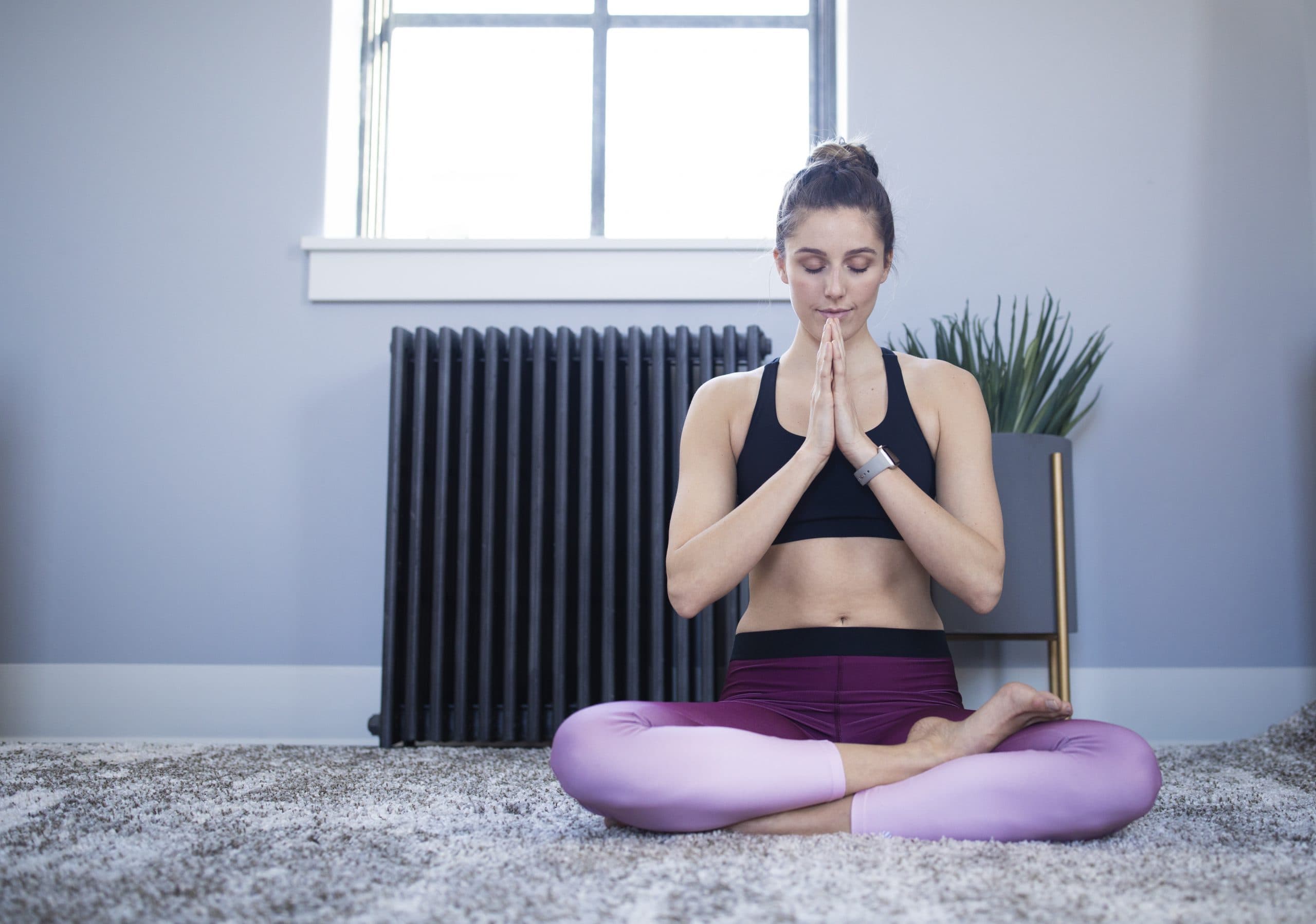
2. Deep stretches. Yoga is largely known for its calming effects on the body and mind. The three-part breathing exercise (Dirga Pranayam) associated with yoga is helpful for lowering your heart rate, helping you settle into a soothed state. Try Dirga Pranayam along with knees-to-chest pose, cat-cow pose, extended puppy pose, and half-pigeon pose to stretch out those tired muscles. Lay in corpse pose and breathe deeply as you drift off into a sweet slumber.
3. Showering before bed. According to Dr. Christopher Winter at the American Academy of Sleep Medicine and medical director at the Sleep Medicine Center at Martha Jefferson Hospital, the rapid cooling after a shower or bath tends to be a natural sleep-inducer. By scrubbing yourself clean, you’re also tricking your body to prep for sleep!
4. Keeping the mind active. Whether it’s television, music, or a thrilling book, anything that keeps the mind occupied and active is a no-go. If you’re a night reader, opt for a boring book—when all else fails, textbooks can always do the trick!
5. Timing exercise. An age-old debate: is it better to work out in the morning or night? There are endless studies, and the results often vary greatly on individual circumstances. Whichever you choose, working out daily is a great way to tire your body into resting at night. If you do decide to workout in the evenings, just be smart about it. I recommend light to moderate exercise in the evenings, in place of vigorous activity.
6. Forcing yourself to sleep. Don’t force yourself to stay in bed if you can’t sleep! Though your first reaction may be to lie restless until your body gives in. It’s actually better for you to get up and do something.2 Try reading a slow-paced book, engaging in a low-key hobby, or completing low-impact chores.
7. Naps. Short naps ranging from 20–30 minutes can prove to be especially beneficial in improving alertness and energy; any longer, and that’s when they can cause sleeping issues.3 Additionally, the later in the day you take your nap, the more likely your nighttime sleep will increasingly be affected.
8. Caffeine and alcohol intake. Although alcohol can make you feel drowsy at the time, it can disrupt your quality of sleep later on. According to a study published by the Journal of Neurology, Neurosurgery, and Psychiatry, greater alcohol intake can increase the duration and frequency of snoring and sleep apnea. If you decide to consume caffeine, try not to consume it after 2 p.m., as you’ll feel the effects of it hours later.
9. Eating. The timing of your meals, as well as the type of food you consume throughout the day, can have dramatic effects on your quality of sleep. A carb-loaded dinner, especially one containing tryptophan—a building block of the sleep-related chemical serotonin—will leave you feeling sleepier.4
10. Sleep supplements. Try manual techniques first to assist your body in developing a healthy sleep routine, but if you’re still tossing and turning, there are some safe supplements you can try for additional assistance. Taking melatonin within an hour of bed can help you arrive at your bed in a sleepier state. Sleepy-time Tea as well as Emergen-zzz are also viable options.
Happy snoozing!
Kayleigh Jardine
iFit Trainer
WARNING: This post is not intended to replace the advice of a medical professional. The above information should not be used to diagnose, treat, or prevent any disease or medical condition. Please consult your doctor before making any changes to your diet, sleep methods, daily activity, or fitness routine. iFit assumes no responsibility for any personal injury or damage sustained by any recommendations, opinions, or advice given in this article.
You might also like
.jpg&w=3840&q=75)
Why sleep is your fitness superpower for muscle recovery
The real work of getting stronger happens while you sleep. Here's why growth hormone and deep sleep matter for recovery.
September 11, 2026

Exercise While Taking GLP-1: A Muscle-First Plan
Navigating a calorie deficit on GLP-1 medications often brings unexpected side effects like lower energy and fatigue. Pushing through exhaustion isn't the answer—moving smarter is. This muscle-first guide dives deep into the essential lifestyle pillars that support your training consistency. Learn how precise hydration habits defend against fatigue, and discover the striking science of how sleep duration directly impacts your body composition during weight loss. Complete with a flexible, one-week sample schedule, this guide shows you how to adjust your training intensity on tired days so you can protect your progress without overexertion.
May 26, 2026
iFit Workouts to Strengthen Your Mind
World Mental Health Day is observed on October 10 each year. This globally recognized day is focused on raising awareness of mental health issues around the world and mobilizing efforts in support of mental health. Research shows that exercise may have a positive effect on your overall mental health. We all know the feeling of pride and accomplishment after completing a workout, but focusing specifically on your mental health is another way to improve your overall well-being. At iFit, we know that a strong mind is just as important as a strong body. That’s why we have introduced several series that are focused on mental health to help you strengthen your mind through motivational messages, meditation practices, and even a series focused on quality, restful sleep. Here are some of the wellness series available in the iFit Library: In this series, you’ll walk with sports psychologist and iFit Guide Dr. Jarrod Spencer. He’ll explain the mental health issues athletes often struggle with, like anxiety, depression, anger, confidence, vision, hurdles, and energy. He’ll provide you with tools to conquer these issues, along with stories of famous athletes, including Tiger Woods, Serena Williams, Stephen Curry, and Landon Donovan. Join this Series In this audio series, iFit Guide Kevin Courtney will guide you through basic practices of meditation that are intended to generate a calm and stable mind. As the series progresses, Kevin introduces more advanced techniques to enhance focus, cultivate awareness, and ultimately help you find your way to a bright, luminous mind. Join this Series This unique series with iFit Guide Jason Stephenson will help you slow down at the end of the day and peacefully transition to healing rest. He will help you overcome loud subconscious thoughts, calm your mind, and enter a deep state of tranquility. Join this Series iFit Guide Dr. Shauna Shapiro will lead you through six mindful walks, teaching you science-based practices of mindfulness and self-compassion. Her goal is to rewire your brain to bring about lasting change that can help transform your life. You'll learn specific practices to help you improve your sleep, increase your body positivity and self-esteem, and cultivate greater coping tools to manage your stress. Join this Series We hope you’ll join our iFit Guides for these unique, enlightening series, focused on your mental health and well-being.
October 20, 2020