Sleep
.jpg&w=3840&q=75)
Why sleep is your fitness superpower for muscle recovery
The real work of getting stronger happens while you sleep. Here's why growth hormone and deep sleep matter for recovery.
September 11, 2026
Read More

Exercise While Taking GLP-1: A Muscle-First Plan
Navigating a calorie deficit on GLP-1 medications often brings unexpected side effects like lower energy and fatigue. Pushing through exhaustion isn't the answer—moving smarter is. This muscle-first guide dives deep into the essential lifestyle pillars that support your training consistency. Learn how precise hydration habits defend against fatigue, and discover the striking science of how sleep duration directly impacts your body composition during weight loss. Complete with a flexible, one-week sample schedule, this guide shows you how to adjust your training intensity on tired days so you can protect your progress without overexertion.
May 26, 2026
Read More
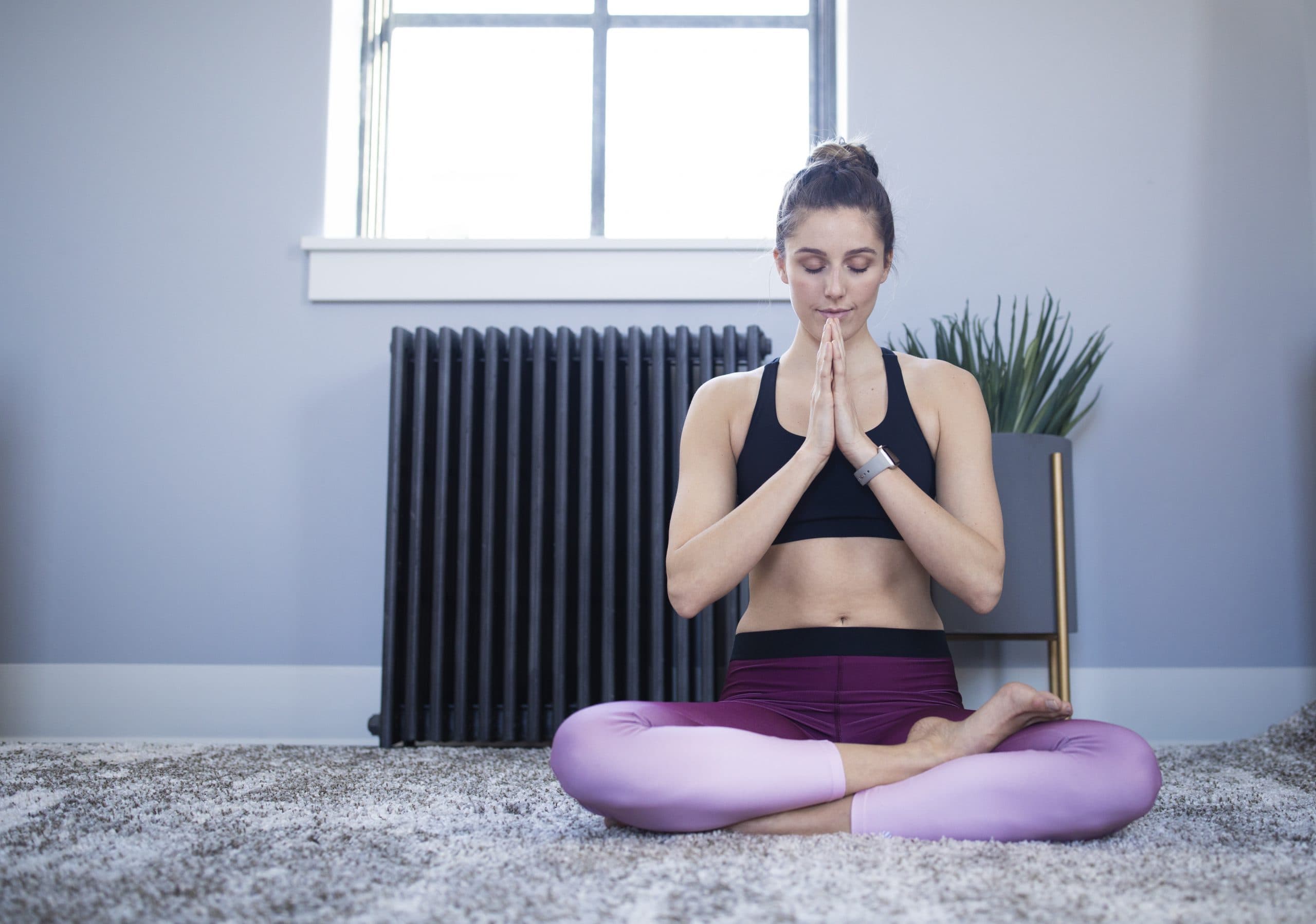
iFit Workouts to Strengthen Your Mind
World Mental Health Day is observed on October 10 each year. This globally recognized day is focused on raising awareness of mental health issues around the world and mobilizing efforts in support of mental health. Research shows that exercise may have a positive effect on your overall mental health. We all know the feeling of pride and accomplishment after completing a workout, but focusing specifically on your mental health is another way to improve your overall well-being. At iFit, we know that a strong mind is just as important as a strong body. That’s why we have introduced several series that are focused on mental health to help you strengthen your mind through motivational messages, meditation practices, and even a series focused on quality, restful sleep. Here are some of the wellness series available in the iFit Library: In this series, you’ll walk with sports psychologist and iFit Guide Dr. Jarrod Spencer. He’ll explain the mental health issues athletes often struggle with, like anxiety, depression, anger, confidence, vision, hurdles, and energy. He’ll provide you with tools to conquer these issues, along with stories of famous athletes, including Tiger Woods, Serena Williams, Stephen Curry, and Landon Donovan. Join this Series In this audio series, iFit Guide Kevin Courtney will guide you through basic practices of meditation that are intended to generate a calm and stable mind. As the series progresses, Kevin introduces more advanced techniques to enhance focus, cultivate awareness, and ultimately help you find your way to a bright, luminous mind. Join this Series This unique series with iFit Guide Jason Stephenson will help you slow down at the end of the day and peacefully transition to healing rest. He will help you overcome loud subconscious thoughts, calm your mind, and enter a deep state of tranquility. Join this Series iFit Guide Dr. Shauna Shapiro will lead you through six mindful walks, teaching you science-based practices of mindfulness and self-compassion. Her goal is to rewire your brain to bring about lasting change that can help transform your life. You'll learn specific practices to help you improve your sleep, increase your body positivity and self-esteem, and cultivate greater coping tools to manage your stress. Join this Series We hope you’ll join our iFit Guides for these unique, enlightening series, focused on your mental health and well-being.
October 20, 2020
Read More
How to Become a Morning Person
Would you rather burn the midnight oil than rise and shine before the sun? Regardless of your natural tendencies, it is possible to become a morning person! A few small shifts in your mindset and your routine can help you on your way to enjoying everything the morning has to offer. Here are some tips to get you started. Humans are creatures of habit and changing your current routine won’t happen overnight. Consistency is key! Be patient and find small ways to “trick” yourself into enjoying the morning as you get started. Try scheduling a workout for the morning and set out your workout gear the night before. When your alarm goes off, you’ll just need to get dressed and get going! A full night’s rest (that’s at least 7 hours of sleep!) is not only key to your overall wellness, but it will make rising and shining much easier. Shift your bedtime to accommodate waking up earlier, and you’ll be ready to take on the morning. The best part about waking up early? It’s the perfect opportunity to enjoy the quiet and think about your personal goals. Try a meditation practice first thing or journaling to write down your intentions, so you can take on the day. It was philosopher Lao Tzu who said, “The journey of a thousand miles begins with one step.” If your goal feels too big or daunting, break it down into smaller steps to stay motivated. Start by waking up early two days a week, then gradually work your way up to five days. Rome wasn’t built in a day, and neither was your morning routine! Be open to finding ways to motivate yourself and establish a lasting way to enjoy the morning. Consistency takes time, so give yourself grace as you take steps toward becoming a morning person. Once you’ve successfully conquered the morning, take some time to celebrate! Buy that new piece of workout gear you had your eye on or head to our Facebook community to share your accomplishments and encourage others on their journey.
March 16, 2020
Read More
Better Sleep Challenge
Imagine this: You climb into bed at night and within minutes of closing your eyes, you drift off soundly without any interruption. If this doesn’t sound like you, you’re not alone. Adults need a minimum of 7 hours of sleep each night for optimal health and well-being, but most aren’t even coming close. Starting a solid sleep schedule can be daunting, but we are here to help! Make it your goal to take control of your health and happiness by following our better sleeping steps below. Revamp your room. Keeping your bedroom cool and dark will promote the best sleep, so turn down the heat and pull the shades or wear a sleep mask to create a sleep-inducing environment. You could also repaint your room in cool, calming tones or add an essential oil diffuser to emit your favorite relaxing scents. Avoid stimulants. It’s time to put down that late afternoon cup of coffee. Stimulants like caffeine, alcohol, and nicotine contain chemicals that can interfere with sleep and should be avoided for at least 4–6 hours before bed. You should also avoid looking at your phone or watching TV right before bed since blue light from the screens of electronic devices overstimulates the mind. Relax and unwind. A relaxing routine primes your mind for sound slumber. You can try taking a warm bath, reading a book, or relaxing with a restorative yoga session. There are many apps available, like Headspace and Calm, to teach you mindful meditation, helping you relax. Exercise early. Exercising regularly can increase sleep quality by helping you spend more time in deep sleep, which is the most restorative. But limit the type of exercise you do within 3 hours of bedtime, so you don’t get too energized to fall asleep. Be consistent. We challenge you to practice these strategies each night. Once you become a sleeping pro, you’ll wonder how you ever survived without your sleep routine!
January 21, 2020
Read More
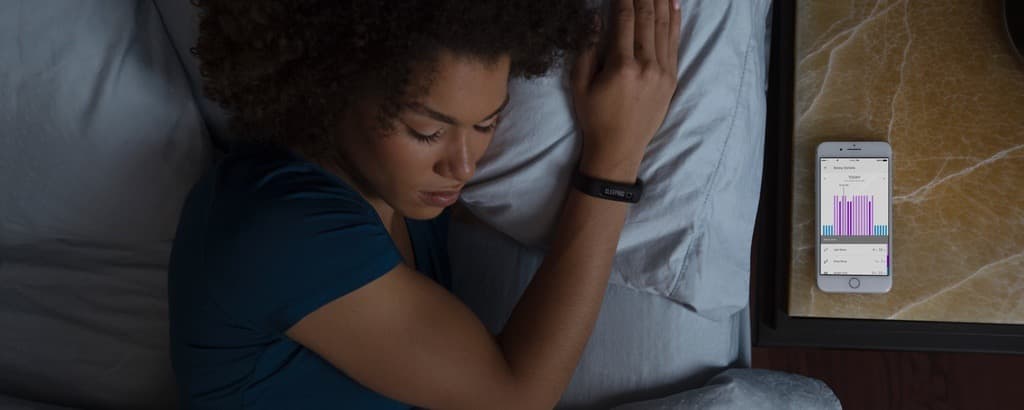
New Year, New Sleep
Welcome to 2019! For many of us, the last few weeks might have been an overwhelming blur comprised of holiday cheer and season’s greetings. Now, it’s time to think about your personal goals and growth. At this point, we’ve probably all forgotten about last year’s resolutions, but if you haven’t, did you stick to them successfully? Or is there something you would have done differently? Now that the year has come to an end, it’s time to think of a new resolution (or resolutions, perhaps). A new year means a fresh start and a chance for new opportunities, but, most importantly, a new year is full of potential when it comes to making life changes. Whether you want to lose weight, exercise more, sleep better, be more active, or anything that might lead you to a healthier you, it’s important to focus on the steps you’ll take to get there. This year, we’re focusing on small milestones that will help you stay consistent throughout the year. By highlighting Nutrition, Activity, Exercise, and Sleep, iFit’s four fitness essentials, you’ll make lasting changes towards a healthier lifestyle. While we tend to focus on healthy eating and exercise in order to get fit, many people don’t realize the importance of active recovery and consistent sleep when it comes to taking care of our bodies. In fact, the amount of sleep you get each night can influence your physical health, and even make you less susceptible to certain health issues. Our pro tip: use iFit Coach and our Sleep HR disk to track your nightly sleep and get helpful tips for better rest. For some extra inspiration, here are 8 sleep facts you need to know: 1. Sleeping reduces stress Stress and sleep have a two-way relationship. While getting a good night’s rest can help reduce stress, high levels of stress make sleeping more difficult, even leading to sleep disorders like insomnia—the chronic inability to sleep through the night. According to Dr. Neil Kavey, director of Sleep Disorder Center at Columbia University, stress also causes hyperarousal, which upsets the balance between sleep and wakefulness [1]. Dr. Kavey recommends spending some time winding down, giving yourself a period of time to relax before your sleep system takes over. Stop all work and phone calls two hours before bed. About an hour before bed, turn off the TV and listen to music or read. 2. Sleeping helps weight balance Several studies have found connections between insufficient sleep and weight gain. During sleep, our bodies secrete hormones that help control energy metabolism, appetite, and glucose processing. Sleep deprivation messes up the balance of these and other hormones. Insufficient sleep is also associated with lower levels of leptin, a hormone that alerts the brain that it has enough food, as well as higher levels of ghrelin, a biochemical that stimulates appetite. Kristen Knutson, an associate professor at Northwestern School of Medicine, insists that future research should determine whether efforts to improve sleep can also help prevent the development of obesity, among other diseases [2]. When you don’t get enough sleep, you may be more likely to eat sweets to satisfy a craving for a quick energy boost. 3. Sleeping decreases risk of diabetes If good sleep can help reduce weight gain and metabolic imbalance, it may not come as a surprise that it can also reduce the risk of becoming diabetic. Sleep loss can result in insulin resistance, one of the main precursors of diabetes. Insulin helps your body use glucose as energy, so low insulin levels result in high blood sugar, which can harm your kidneys, eyes, nerves, and heart. Registered Dietitian Lynn Maarouf has studied the relationship between sleeplessness and diabetes [3]. In order to avoid the cycle between lack of sleep and spiking your blood sugar, she recommends eating properly throughout the day to keep blood sugar levels under control and getting a good night’s sleep! 4. Sleeping improves heart health There are many factors that can help keep your heart happy and one of them is sleep. Many studies have found that sleep deprivation can increase the risk of heart disease and cause high blood pressure, putting your body in a tense, unhealthy state. Dr. Gina Lundberg, clinical director of Emory Women’s Heart Center, has found that people who lack sleep have slower metabolisms, making them more susceptible to heart disease [4]. Lundberg also points out that a good night’s sleep does not necessarily mean more hours. When we are young, we need more than seven hours of sleep per night, but as we grow older, we may need less. Studies have found that most people need six to eight hours of sleep each day, but too little or too much can increase the risk of cardiovascular problems. The trick is to find the perfect balance for your body! 5. Sleeping promotes mental wellness It’s safe to assume that we’ve all felt a little less like ourselves after a poor night’s sleep. Lack of rest and energy has been found to negatively impact your mood and mental state. The relationship between poor sleep and depressive disorders is a complex, two-way street; depression may cause sleep problems and sleep problems may contribute to depression. While having a sleep disorder does not necessarily cause depression, it can be a key contributing factor. Researchers suggest that the risk of developing depression is highest among people with both sleep onset and sleep maintenance insomnia [5]. If you find yourself feeling depressed for long periods of time, check your sleep routine and make sure you are getting a full night’s rest! 6. Sleeping boosts your immune system Lack of sleep can also affect your immune system, making it easier for you to fall victim during flu season. Studies have shown that people who don’t get enough sleep are more likely to get sick after being exposed to a common virus. According to Dr. Eric Olson, poor sleep can also affect how fast you recover if you do get sick [6]. During sleep, your immune system releases proteins called cytokines, some of which help promote sleep. Cytokines need to increase when you have an infection or inflammation, or when you’re under stress. Sleep deprivation decreases the production of these protective proteins, among other infection-fighting antibodies, making it more difficult for you to recover. 7. Sleeping affects inflammation levels It is important to keep in mind that a healthy amount of sleep does not necessarily mean more hours. In fact, researchers have found that both too much sleep and too little sleep contribute to increased levels of inflammation in our bodies [7]. Inflammation is a reaction in your body that aims to protect you from infection or other viruses. Natural levels of inflammation are good, but too much inflammation can lead to chronic diseases such as asthma, inflammatory bowel disease, rheumatoid arthritis, and even certain types of cancer. A balanced amount of sleep helps keep your body’s defenses in check! 8. Sleeping lowers your risk of Alzheimer's disease A good night’s sleep can reduce the risk of Alzheimer’s disease. In a new case study, researchers found that sleep deprivation led to an increase in beta-amyloid, a protein in the brain associated with impaired brain function and Alzheimer’s disease. Dr. Ehsan Shokri-Kojori, the lead author in the study from the National Institute on Alcohol Abuse and Alcoholism (NIAAA), scanned the brains of 20 healthy participants after getting a full night’s rest and after a night of sleep deprivation [8]. She found that beta-amyloid increased 5% in participants’ brains after losing sleep. A build-up of this protein can be detrimental to brain health and could make you more susceptible to early onset Alzheimer’s disease. A good amount of sleep is necessary for maintaining a healthy mental and physical state. Your sleep routine can affect the way you think, behave, and feel, so make sure you listen to your body as you stay consistent through this year. Don’t forget to try our Sleep HR disk, too! It’s a simple tool that you can slip under your mattress to track your nightly patterns, then get professional feedback on how you can improve your sleep environment and habits! For other New Year’s tips, be sure to check out our compatible articles: “New Year, New Nutrition,” “New Year, New Activity,” and “New Year, New Exercise.” References: Kavey, Neil. "Stress and Insomnia." National Sleep Foundation, 2001, sleepfoundation.org/ask-the-expert/stress-and-insomnia/page/0/1. Wiley-Blackwell. "Lack of sleep is linked to obesity, new evidence shows." ScienceDaily. ScienceDaily, 17 April 2012. www.sciencedaily.com/releases/2012/04/120417080350.htm Mann, D. “Coping with excessive sleeplessness: the sleep-diabetes connection.” Web MD, 2014. www.webmd.com/sleep-disorders/excessive-sleepiness-10/diabetes-lack-of-sleep. "Sleep & Heart Disease." Go Red for Women, American Heart Organization, www.goredforwomen.org/live-healthy/first-steps-to-prevent-heart-disease-and-be-heart-healthy/sleep-heart-disease/. Taylor, Daniel J. et al. “Epidemiology of insomnia, depression, and anxiety.” Sleep 28 11 (2005): 1457-64. Olson, Eric J. “Lack of sleep: Can it make you sick?” Mayo Clinic. www.mayoclinic.org/diseases-conditions/insomnia/expert-answers/lack-of-sleep/faq-20057757. Bushak, Lecia. "Sleep Right: Too Little Or Too Much Increases Low-Grade Inflammation, Risk Of Depression And Diabetes." , Medical Daily, 16 Sept. 2015, www.medicaldaily.com/sleep-right-too-little-or-too-much-increases-low-grade-inflammation-risk-depression-352742. "Sleep deprivation increases Alzheimer’s protein." National Institute of Healh, U.S. Department of Health and Human Services, 24 Apr. 2018, www.nih.gov/news-events/nih-research-matters/sleep-deprivation-increases-alzheimers-protein.
December 27, 2018
Read More
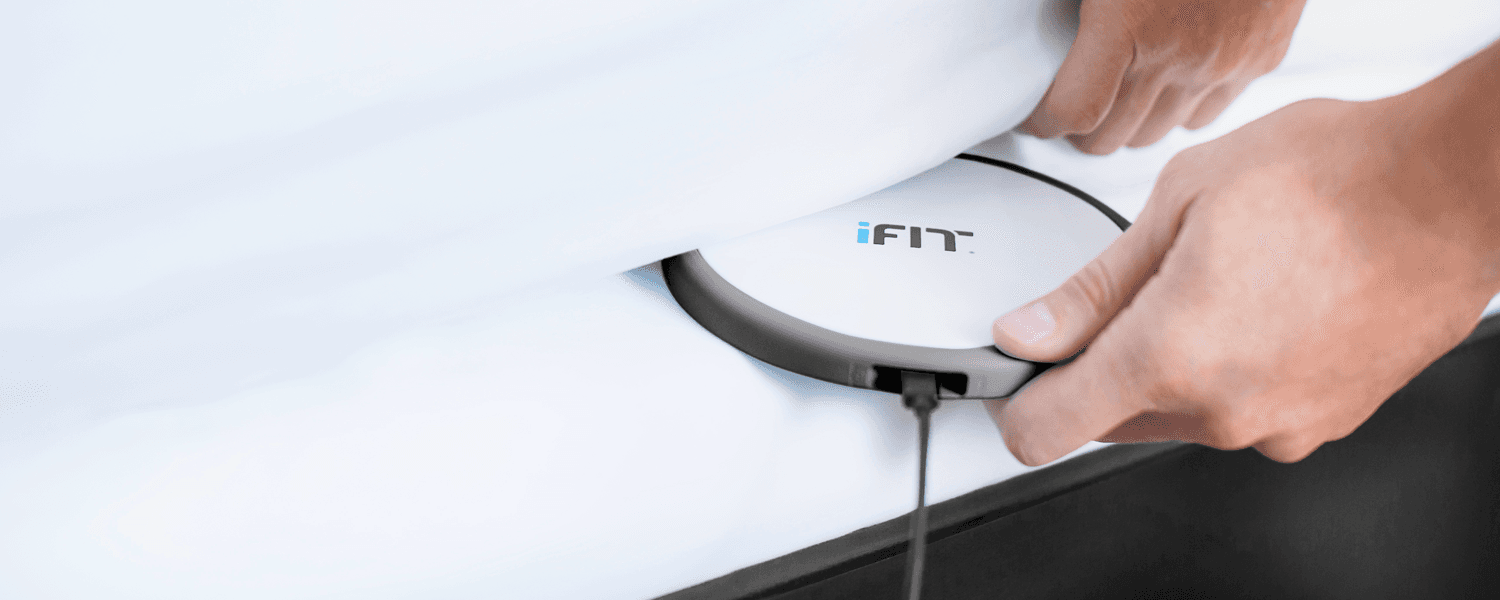
iFit's Sleep HR on CNET
"Activity trackers and smart watches are becoming more robust at monitoring your sleep. But if you don't want to wear something on your wrist at night, the iFit Sleep HR is certainly worth checking out," says David Carnoy of CNET. He continues, "The stats you get are quite detailed, including numbers for average heart and respiratory rates, how long it took you to fall asleep, how many times you woke up and how long you're in each sleep cycle, including light, deep and REM stages. The system generates a total sleep score for the night and scores are tracked over time and and can be viewed on a graph." Find out more about the Sleep HR sensor in his article!
July 3, 2018
Read More
iFit Sleep App
If you’ve purchased a NordicTrack Sleep mattress or iFit Sleep HR sensor, you’ll need to download the iFit Sleep app. This app collects your nightly data from your sensor, then gives you a summary of your sleep, including easy-to-read graphs and in-depth stats about your patterns. You'll be able to view your: Heart rate details Respiratory patterns Number of awakenings Number of bed exits Time spent in each sleep cycle Time it took to fall asleep Overall sleep score You can also set a time frame with the built-in smart alarm, FreshWake™, and the sensor will look for the lightest part of your sleep cycle to wake you. That way, you’ll always feel refreshed and ready to take on the day. You can download iFit Sleep on Android or iOS. If you have any questions, please leave them in the comments below! We’d be more than happy to answer them for you. Sweet dreams!
May 25, 2017
Read More

How Much Should I Sleep Every Night?
Sleep is something you spend about one-third of your life doing [1]. That may sound like a lot of snoozin’, but it’s absolutely essential to a healthy lifestyle. According to the CDC, the necessary amount of sleep varies by age, as well as other factors, including overall health. Typically, adults that are 18–60 years old need 7 or more hours of sleep at night, with younger individuals needing even more [2]. While getting enough sleep may seem like all there is to it, the quality of your sleep is just as important [3]. So, how do you know if you’re actually getting enough quality sleep? Well, the combination of your iFit wearable and the iFit Coach app can help you! Just follow these steps: Wear your wearable to bed. It will automatically enter sleep mode and track your sleep patterns. Make sure you’ve set your In Bed Time and Wake Up Time in the Product Settings of the app. The following morning, sync your wearable to the app so your stats are up-to-date. From Today’s Plan, tap the bar graph icon in the bottom right corner of the purple Sleep section. The next screen will show you detailed stats about your sleep! If you have any questions, please leave us a comment below! We’d love to help you. Sweet dreams, friends! 1. https://www.ncbi.nlm.nih.gov/pubmed/21056174 2. https://www.cdc.gov/sleep/about_sleep/how_much_sleep.html 3. http://www.mayoclinic.org/healthy-lifestyle/adult-health/expert-answers/how-many-hours-of-sleep-are-enough/faq-20057898
May 23, 2017
Read More