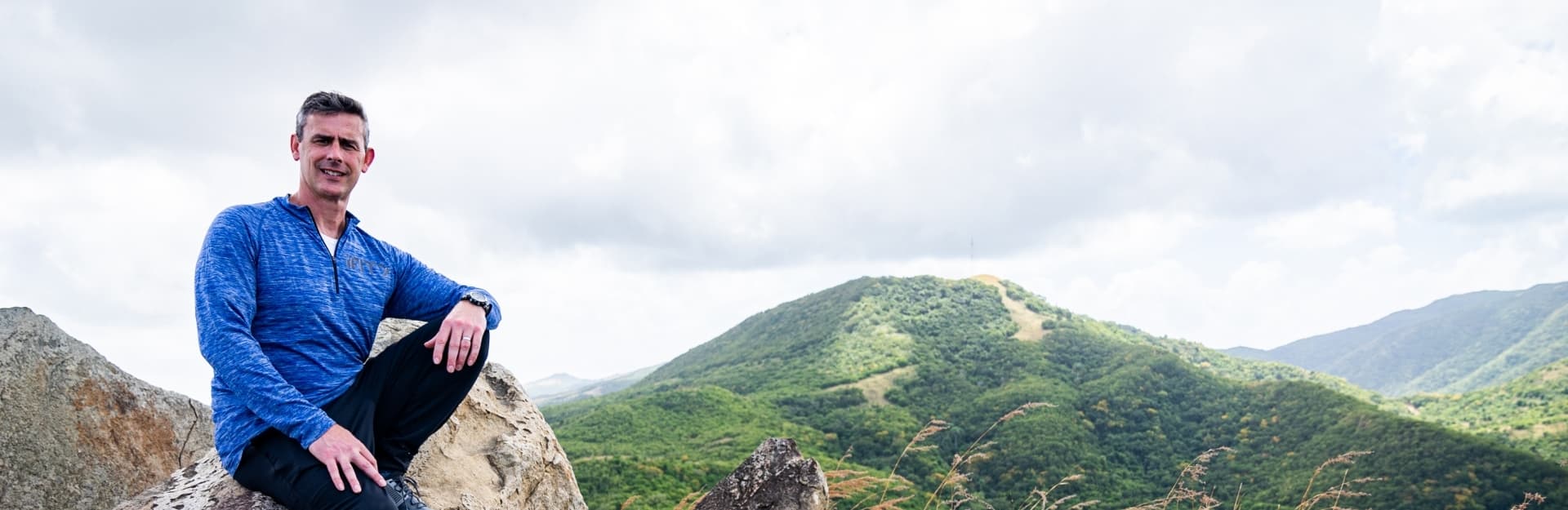
iFIT Guide Highlight: Dr. Jarrod Spencer
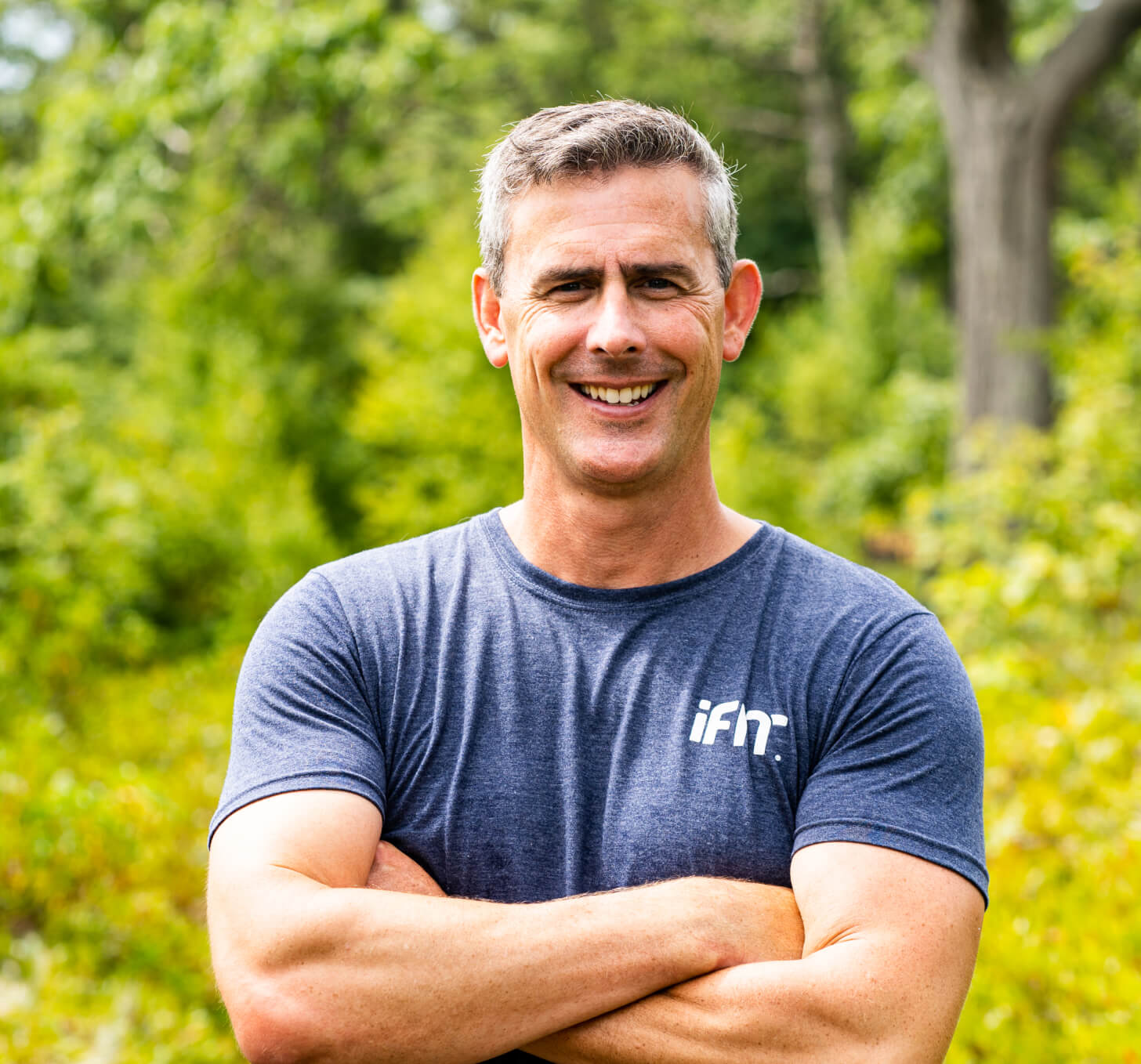
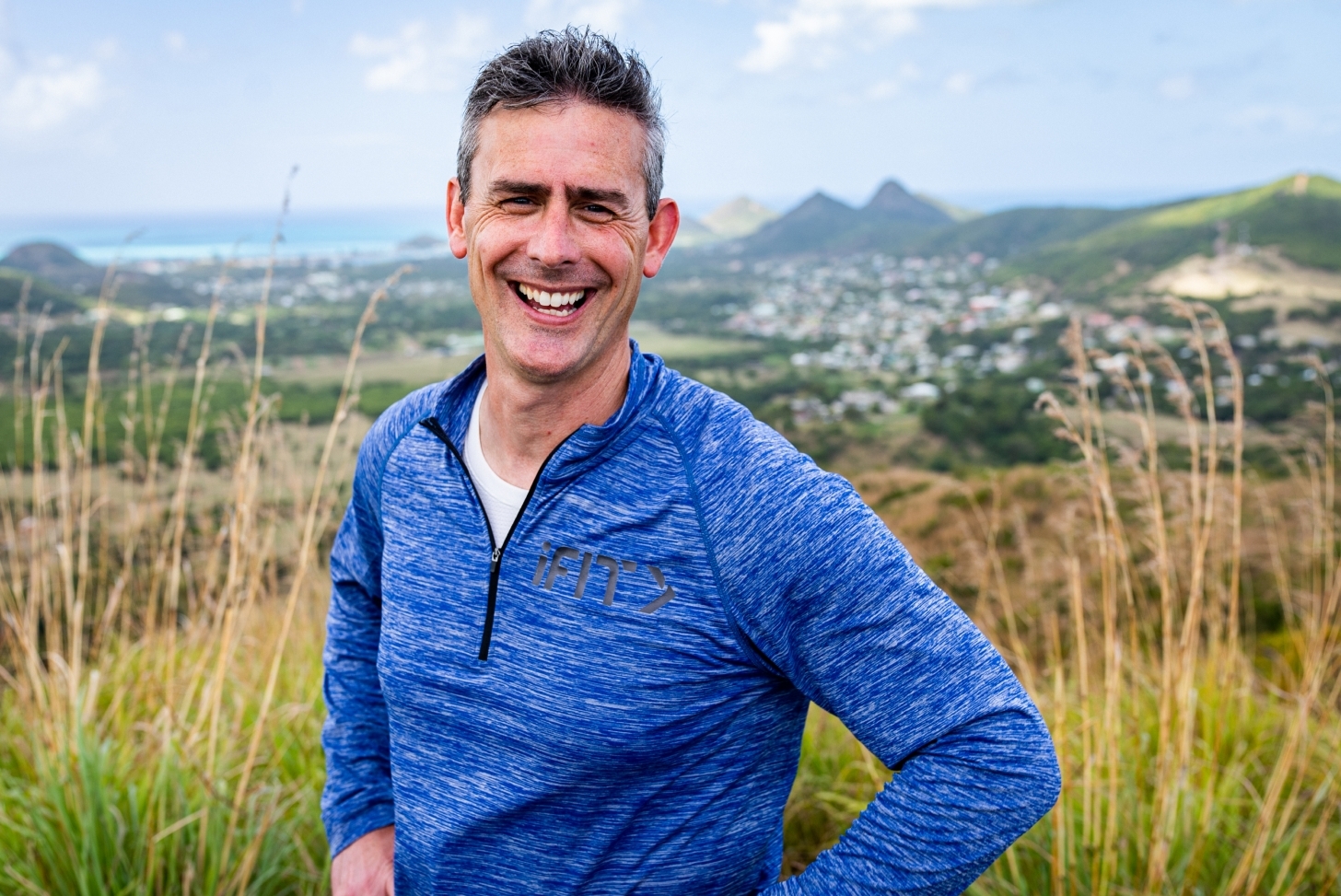
If there's anyone who is passionate about emotional health, it’s iFIT Guide Dr. Jarrod Spencer. As a sports psychologist for NCAA teams, Jarrod works with athletes on improving their mental health. His philosophy, “Clearer mind, better performance” echoes throughout his coaching. For Mental Health Awareness Month, he shared his passion for emotional health.
How do you mentally prepare for a workout?
Like most people, I listen to my body, but what I’m paying attention to is that phrase “work out.” What am I really trying to “work out?” I look at that emotion. Is it anger? Is it anxiety? Is it frustration? What emotion am I trying to “work out?” I usually listen to that and then dictate the type of workout I'm going to do accordingly.
Sometimes, I feel like I just need a long walk to be introspective. It might be that I feel like I really need to throw some weight around. I feel a little bit of aggression inside, so I choose to do something like bench presses. It’s about what emotions I feel like I need to “work out,” and those emotions dictate my workout.
What’s the top lesson that you teach athletes?
If I want to help solve the mental health crisis in America, I can’t do it if I don’t solve the sleep crisis. We have people with very inconsistent sleep and not enough rest and recharge. Mental health is directly impacted by our sleep. The challenge is that we can’t solve the sleep problem in America if we don’t really solve the cell phone addiction problem. Most people are lying in bed with their phones, staying up far later than they want to, and giving themselves a small dose of depression as they look at everyone’s “perfect” life on social media. This makes them feel excluded and negative about their own lives.
What we have to do is simply get the cell phone out of bed. Never again should the cell phone be in bed, but instead on a charging station somewhere away from the bed (not even on your nightstand!). That will hopefully contribute to better, more consistent sleep. By getting more sleep, you're going to feel better, which will lead to better performance and mental health.
Do you have a philosophy that you live by?
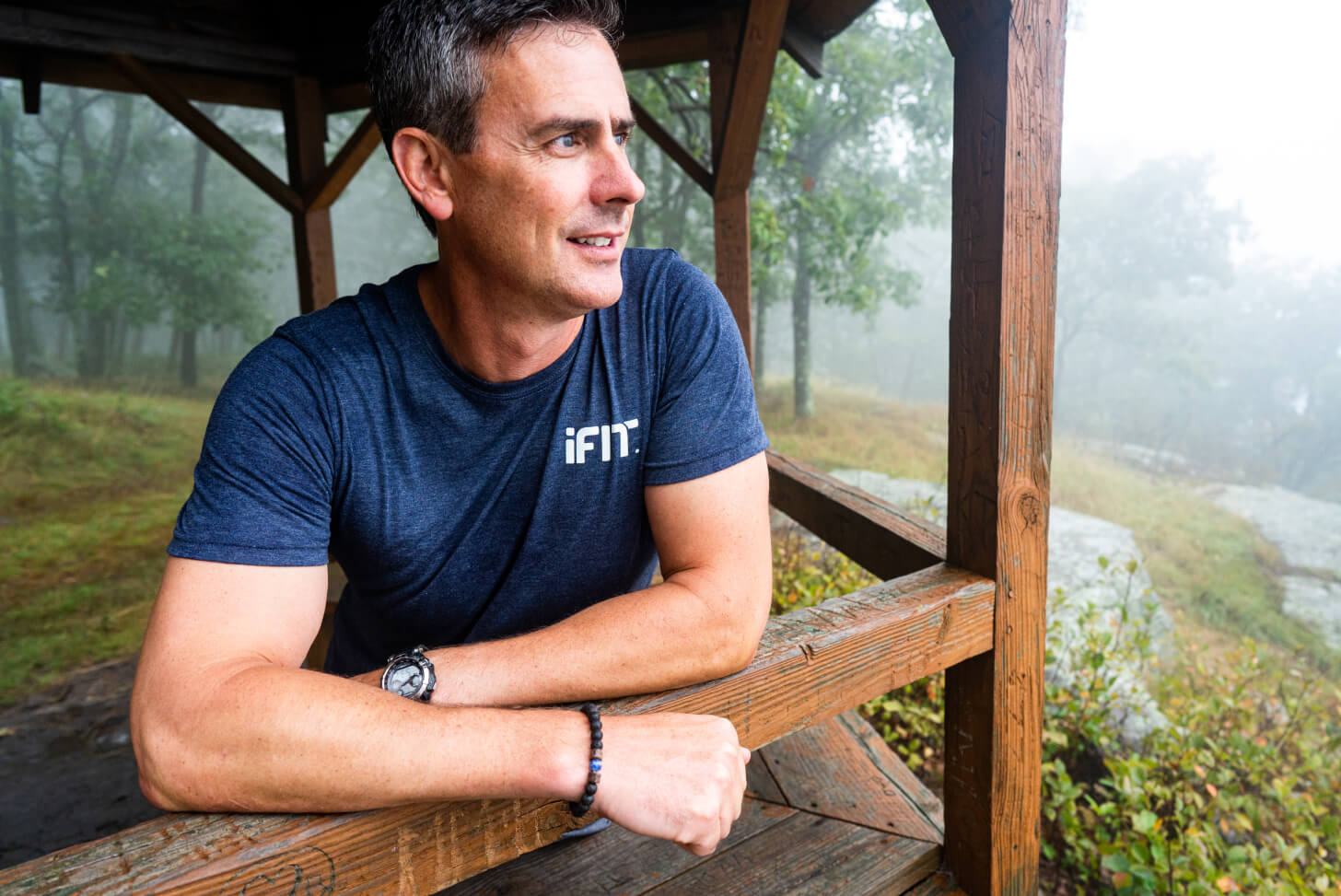
I do! In fact, it’s on my wristband. It says, “Clearer mind, better performance.” That’s my mantra. The clearer the six inches are between your ears, the better you’re going to think and feel. That’s been true for me as well. If I can try to keep my mind clear, it’s really powerful and helpful. That’s a big focus in my own life and the message that I teach and preach to other people.
What keeps you motivated when you don’t feel at the top of your game?
I’m so passionate about giving 100% that I've learned that even if I'm not close to that, it still might be helpful for other people. That mental switch has given me the permission to learn how to stay motivated when I'm not really on top of my game. I know that when I’m giving and serving, it’s still beneficial and valuable.
What led you to become a sports psychologist?
As an athlete, I experienced highs and lows, and I couldn't understand why I was going through them. I see now that I was meant to help people on the emotional side of their game, and I love that so much.
Early on, I was interested in the mind-body-spirit connection. I was fascinated by the interplay on what health really was and is about. It’s not just the physicality; it’s so much more.
Along my journey, I was given the book "Way of the Peaceful Warrior: A Book That Changes Lives" for my high school graduation. That book talked a lot about the interplay of the mind and sports. Once I read it, I was hooked, and I found that I wanted to study and learn more about that.
Overall, what led me to become a sports psychologist was my intellectual curiosity, personal gratification, and the desire to see people feel a little better. If you’d like more information about my career, my Mind of the Athlete Series will give you the chance to get to know my story a little better.
What book is a must-read for those who want to improve their mental health?
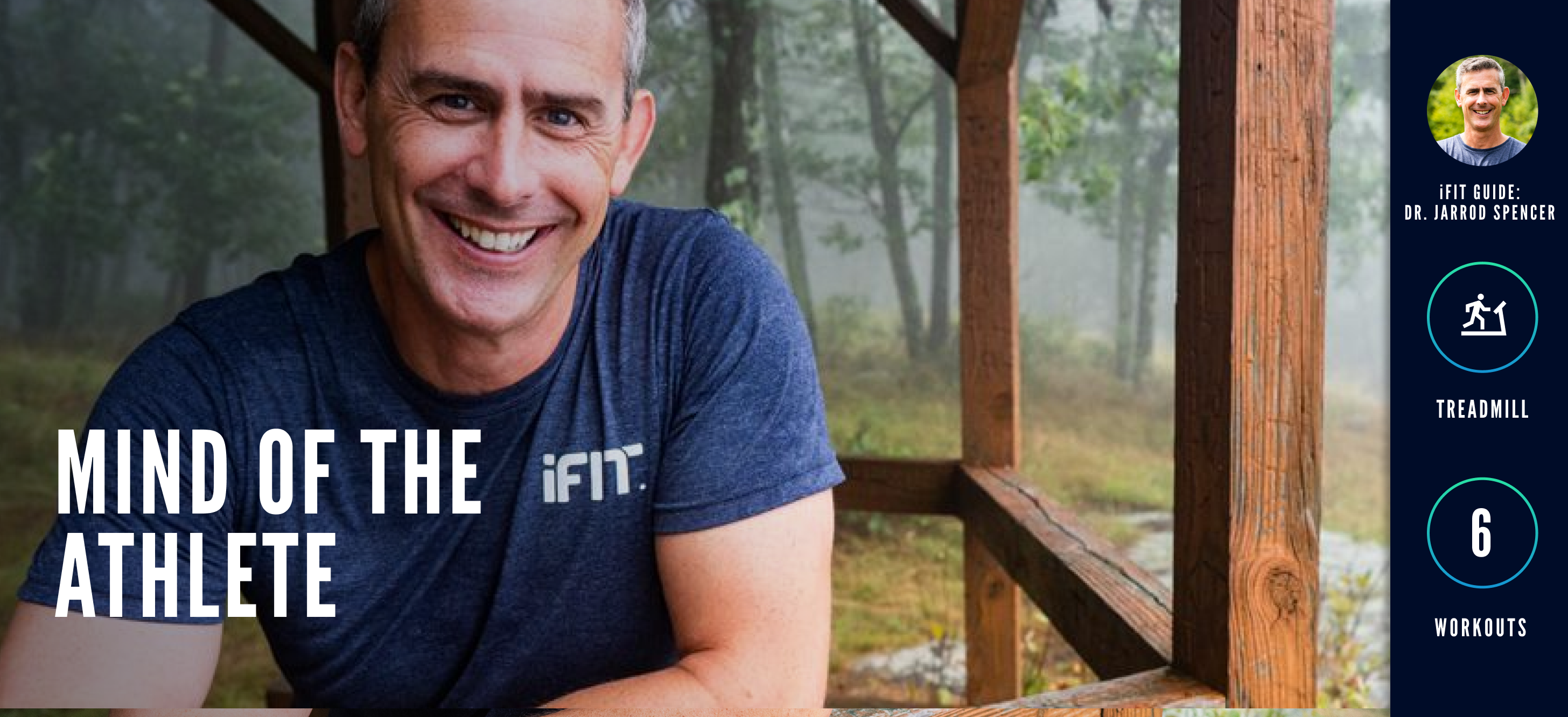
I recommend my book "Mind of the Athlete: Clearer Mind, Better Performance." I feel this book is beneficial for people on their fitness journey. It’s a roadmap for how the mind actually works best in relation to working out. My second recommendation would be Dan Millman’s "Way of the Peaceful Warrior: A Book That Changes Lives."
What piece of advice would you give to someone navigating a challenging time in their life?
Counseling. I’m biased, but if you can find someone to talk through your problems and challenges with (and even positive stress and opportunities!), it can go a long way in helping your mind become clearer. Licensure is a valuable aspect here. I highly recommend licensed psychologists or counselors. This adds another element of HIPPA laws, confidentiality, training, and expertise. Don’t keep pushing through. Talk to somebody about it.
Are there things you do or daily practices that you participate in to stay mentally strong?
I’ve committed to a lifelong process of studying success. I've read books about successful people and pick the brains of people I know who are doing something really well. I try to learn as much as I possibly can from others. I study what’s working, why it's working, how it's working, and when it's working. I try to take a page out of their playbook and put it in mine.
What’s your favorite part of your job?
I love seeing people thrive! The way that we do that is to unlock the power of the mind. When your mind is clearer, your performance is better. That’s what I love the most—helping people get unstuck when they feel like they don’t know what else to do or how to move forward. Then, I love seeing them succeed. When a person is the emotionally healthiest version of themselves, all the good that we have inside us flows more freely.
Disclaimer: This blog post is not intended to replace the advice of a medical professional. The above information should not be used to diagnose, treat, or prevent any disease or medical condition. Please consult your doctor before making any changes to your diet, sleep methods, daily activity, or fitness routine. iFit assumes no responsibility for any personal injury or damage sustained by any recommendations, opinions, or advice given in this article. Always follow the safety precautions included in the owner’s manual of your fitness equipment.
Opinions of iFIT Trainers are their own and may not be those of iFIT.
You might also like
Your iFIT Running Roadmap: From 5K to Marathon Training
Not sure what comes after finishing a 5K? This iFIT running roadmap shows how structured training series can guide runners from their first 5K through 10K, half marathon, and marathon preparation with expert trainers and progressive workouts.
March 16, 2026

How to Use iFIT: Quick Guide Tutorials
Learn how to get the most out of your iFIT-compatible equipment with these quick guides.
November 8, 2025

iFIT Guide Highlight: Dalen Spratt
Born and raised in Dallas, Texas, iFIT Guide Dalen Spratt grew up in a religious environment, as his mother was a pastor. Because of his roots, Dalen has always had a strong belief in a higher power, which influences the way he approaches exploring the paranormal. Adventurous and bold, he’s willing to try anything when communicating with ghosts. Today, Dalen is a part of the successful TV hit Ghost Brothers, which has been aired in several different series on the Travel Channel. When he’s not chasing ghosts, Dalen runs his own tailored men’s clothing line and teaches others how to navigate the forex market. After filming a new and exciting haunted workout series with us, Dalen sat down and answered some of our burning questions. We talk about his most terrifying paranormal encounter, favorite place to investigate, dream ghost hunting destination, and more. Get to know iFIT’s resident ghost hunter! How did you get into paranormal investigation? Were you interested in ghosts as a child? My interest in paranormal investigation started because I noticed a lack of representation of people like myself actually investigating and telling their stories on television. Death is the universal equalizer, something that all races and religions deal with. I wanted to showcase an experience that a lot of people could relate to. You have a show called Ghost Brothers: Lights Out that you share with Juwan Mass and Marcus Harvey. What has that experience taught you? The most honest response I can give now is that I truly don't know what is after this life, but I do know that there is something. That is a FACT! You’ve traveled to some of the most haunted places in the United States. Describe one of your scariest encounters. My first frightening encounter ever was in Cleveland, Ohio, at the notorious House of Wills. I was in the women's bathroom attempting to do what is called mirror gazing. I witnessed something that still, to this day, makes my skin crawl. While staring at myself in the mirror, I watched my reflection change. Its entire facial expression slowly started to grin at me. It was the most sinister thing I have ever witnessed in my life. What's your favorite haunted location? My favorite place to investigate so far has to be the Rose Hall in Montego Bay, Jamaica. It's crazy to imagine that right across the street from one of the most beautiful beaches you'll ever walk down is one of the most haunted locations in the Caribbean. If you could go anywhere in the world to do a paranormal investigation, where would you go? My dream is to journey to eastern and western Europe to investigate. The history over there runs so deep. I’d also like to visit Fiji. Beaches and ghosts—my two favorite pastimes! What do people get wrong when it comes to the paranormal? The biggest misconception in the paranormal is that you're “crazy” if you believe, when in actuality, almost everyone has had some sort of “questionable experience.” It just takes people a little time to feel comfortable enough with you, so they don't feel judged themselves. Aside from ghost hunting, what else do you enjoy doing? Outside of ghost hunting, I own and operate a tailored men's clothing line called Loren Spratt. I also enjoy day trading! If you weren’t a paranormal investigator, what would your career be? I'd be doing exactly what I am doing now—designing clothes and teaching people how to trade the forex market. Ghost hunting sounds a little cooler, I know. What other haunted places do you plan to visit before the end of 2021? I am actually headed to Cresson, Pennsylvania right now to visit an old sanatorium called the State Correctional Institution—Cresson (SCI). Let’s hope I make it back for the next iFIT series! Catch Dalen in the new Haunted Savannah Series based in Savannah, Georgia! Also, be sure to check out his Haunted Bayou Series in New Orleans or head to desolate, eerie locations in Exploring the Abandoned: Deep South. You'll be in for some goosebump-worthy sights and stories! Disclaimer: This blog post is not intended to replace the advice of a medical professional. The above information should not be used to diagnose, treat, or prevent any disease or medical condition. Please consult your doctor before making any changes to your diet, sleep methods, daily activity, or fitness routine. iFIT assumes no responsibility for any personal injury or damage sustained by any recommendations, opinions, or advice given in this article. Always follow the safety precautions included in the owner’s manual of your fitness equipment. Opinions of iFIT Trainers are not necessarily the opinions of iFIT.
October 18, 2021