
There's a particular kind of fall evening where the idea of a hard workout feels like too much to ask. The couch is right there. The show you're three episodes into is right there. And somehow, that's exactly where this season's biggest fitness trend starts.
"Cozy cardio" showed up on social media this year with a simple pitch: comfortable clothes, something good to watch or listen to, and 15 to 30 minutes of moving your body. No gym, no personal record, no talking yourself into anything hard.
Why low intensity still works
It would be easy to write this off as an excuse with no substance behind it. It isn't. The American Heart Association recommends at least 150 minutes of moderate-intensity activity per week, and is specific that even light-intensity activity can offset some of the risks of sitting too much. [1] None of that requires one grueling session. A few short, easy ones, spread across the week, do the same job.
Walking backs this up on its own, and in more detail than most people realize. A review published through the National Library of Medicine found that walking is enjoyable enough to meaningfully reduce stress and improve mood by triggering the release of endorphins, and that the broader benefits of physical activity hold regardless of age, sex, or background. [2] The same review points to consistent findings across cardiovascular health, sleep quality, and even cognitive function, all tied to regular walking rather than high-intensity training. The common thread across the research is simple: showing up matters more than how hard any single session is. Pilates research points in the same direction. A 12-week study found that low-intensity mat Pilates, done twice a week with no equipment, produced statistically significant improvements in core endurance and flexibility. [3]
That's really the whole case for cozy cardio, backed by research that was making the point long before the trend had a name.
Four ways to try it on iFIT

Haunted Louisiana
iFIT Trainer Dalen Spratt leads a low-impact, beginner-friendly walk through Louisiana's eerier side, just in time for Halloween.

Road to Recovery, Part 1: Mexico
iFIT Trainer Tommy Rivs Puzey's gentle, 10-minute walks through Mexico's beaches, ruins, and cenotes, built for easing into a routine at whatever pace that takes.
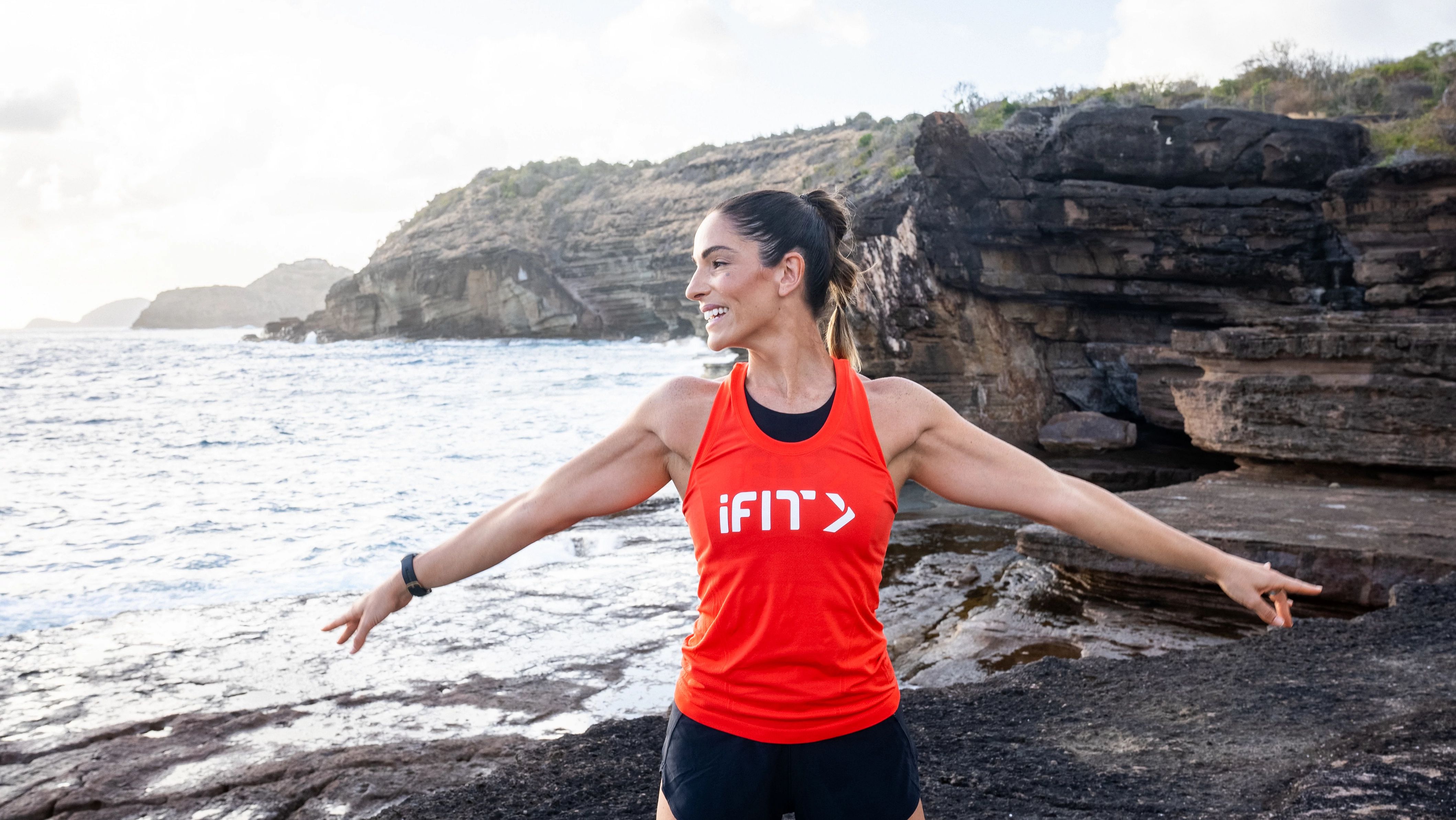
Antigua Restorative Pilates
A slow, scenic mat series with iFIT Trainer Jeni DelPozo, built for stretching and resetting rather than chasing a personal best.

Bike the Rockies, Part 1
iFIT Trainer Ashley Paulson leads six beginner rides through Jasper National Park, Canada, past waterfalls, lakes, and quiet trails.
The only real rule is that you show up
Cozy cardio isn't a shortcut and it isn't a lesser version of a real workout. It's a reminder that consistency, not intensity, is what actually builds a routine that lasts. Whether that means a haunted walk through Louisiana, a slow stroll through Mexico, ten minutes on a mat, or a cycling ride that doubles as game night, the version that gets repeated is the one that works. So pick whichever one sounds good tonight, and let that be enough.
FAQs
Is low-intensity exercise actually effective?
Yes. Research on both walking and mat Pilates has found meaningful, measurable benefits from low-intensity movement alone, including improved mood, cardiovascular benefits, and gains in core endurance and flexibility. [2] [3]
Do I need special equipment for cozy cardio?
No. It works across walking, cycling, and mat-based training alike. The common thread is the pace and setting, not the machine.
How much exercise do I actually need each week?
The American Heart Association recommends at least 150 minutes of moderate-intensity activity per week, spread out however it fits your schedule. Short sessions count toward that total the same as longer ones. [1]
Explore more
References
American Heart Association. American Heart Association Recommendations for Physical Activity in Adults and Kids
Ungvari Z, Fazekas-Pongor V, Csiszar A, Kunutsor SK. The Multifaceted Benefits of Walking for Healthy Aging: From Blue Zones to Molecular Mechanisms
Kloubec JA. Pilates for Improvement of Muscle Endurance, Flexibility, Balance, and Posture
The primary purpose of this blog post is to inform and entertain. Nothing on the post constitutes or is intended to be a substitute for professional medical advice, prevention, diagnosis, or treatment. Reliance on any information provided on the blog is solely at your own risk. Always seek the advice of your physician or other qualified health provider with any questions you may have regarding a medical condition, and please consult your doctor or other health care provider before making any changes to your diet, sleep methods, daily activity, or fitness routine. Do not disregard professional medical advice or delay seeking it because of information available on this blog. iFIT assumes no responsibility for any personal injury or damage sustained by any recommendations, opinions, or advice given in this article. Always follow the safety precautions included in the owner's manual of your fitness equipment.
You might also like
Cozy Season Has a Cardio Trend, and It Might Be the Easiest One Yet
Try cozy cardio this fall with a haunted Halloween walk, a scenic stroll through Mexico, gentle Pilates, and a beginner bike ride through Jasper National Park.
October 5, 2026

Haunted Louisiana: Your Workout Has Never Been This Spooky
iFIT Guide Dalen Spratt leads a two-part Halloween investigation through haunted New Orleans, turning cardio into a real paranormal expedition.
September 30, 2026
.jpg&w=3840&q=75)
Move Like Her: Chase your goals with iFIT's Elite Female Trainers This October
This October, iFIT handed the workouts to some of the world's most accomplished female athletes and coaches, spanning six modalities from trail running to a first of its kind reformer series built around your cycle.
September 30, 2026