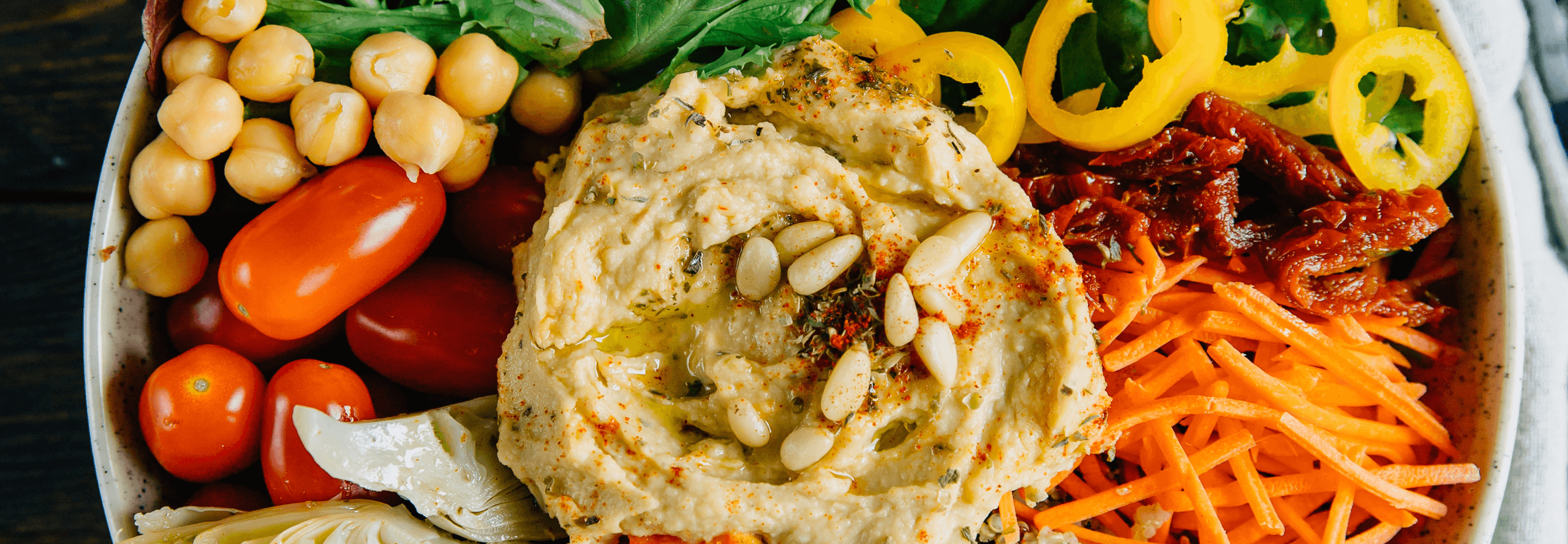
Three Simple Eating Habits
You’ve been told by your mother, doctor, and even billboards to eat your vegetables. Despite these constant reminders, we are falling short as a nation. That’s why we’re here to help you understand not only why you need to eat vegetables, but also how you can make it a habit. More importantly, how can you enjoy eating vegetables?
Three new habits
You don’t have to constantly be munching on raw carrots to get in your servings. We’ll help you work on a few habits to help you get started on changing how you use vegetables in your life!
- Eat one vegetable at breakfast.
- Incorporate two servings of vegetables at lunch.
- Get two servings of vegetables at dinner.
Why vegetables?
Vegetables are loaded with vitamins, dietary fiber, minerals, important phytochemicals, and essential antioxidants that help prevent diseases. People who have a diet rich in vegetables have a reduced risk for stroke, certain cancers, cardiovascular diseases, and other chronic diseases. Vegetables are also naturally low in calories and rich in nutrients. This means that, per calorie, they pack a lot of nutrition. We want you to optimize the amount of nutrients that you give your body without having to consume too many calories, and vegetables are an amazing way to do that.
What is a serving of vegetables?





Incorporate a vegetable at breakfast.
One of the harder challenges when it comes to incorporating more vegetables into your diet is eating them for breakfast. Somehow, fruit and grains have monopolized our morning routine, but trust me, vegetables are a delicious way to start your day! Plus, eating a fiber-rich breakfast in the morning can keep you satisfied longer, so that you don’t feel the need to eat more sugar or caffeine throughout the day.
Preparing vegetables for breakfast may seem like a bit of a chore if you already don’t have a lot of time, but there are a lot of quick, on-the-go options, like a leftover veggie frittata, spinach smoothie, or egg sandwich with tomatoes and sprouts.
This week is for you to push yourself and explore ways to incorporate more veggies in the morning. It might be hard, but it will give you skills to use for the rest of your life. Remember, you should still have two servings of vegetables at lunch and dinner!
Some breakfast ideas:
- Good Morning Muffins
- Sweet Spinach Crepes
- Omelette Cups
- Protein Breakfast Salad
- Avocado Asparagus Egg Toast
Tip: Set a reminder on your phone for 15 minutes before you normally have breakfast so you remember to incorporate a veggie.

Incorporate two servings of vegetables at lunch.
When you are first trying to increase your vegetable intake, it’s a good idea to keep a rough count and measure your vegetables. For raw vegetables (like carrots), one cup is a serving. For leafy greens, two cups are a serving, and for cooked veggies, a half cup is a serving. Pulling out the measuring cups to count vegetables throughout the day can be a bit tedious, so you can also use your hands as a rough serving estimate. We know this isn’t an exact way to calculate servings, as everyone's hands are a different size, but it’s a quick way to estimate. Your fist is equal to about one cup and a handful is about a half cup.
When you are first trying to increase your vegetable intake, it’s a good idea to keep a rough count and measure your vegetables. For raw vegetables (like carrots), one cup is a serving. For leafy greens, two cups are a serving, and for cooked veggies, a half cup is a serving. Pulling out the measuring cups to count vegetables throughout the day can be a bit tedious, so you can also use your hands as a rough serving estimate. We know this isn’t an exact way to calculate servings, as everyone's hands are a different size, but it’s a quick way to estimate. Your fist is equal to about one cup and a handful is about a half cup.
Here are some lunch ideas:

Incorporate at least two servings of vegetables at dinner.
Now that you’ve developed the habit of eating two servings of vegetables at lunch, you are ready to add another skill! We still want you to continue to get two servings of vegetables at lunch, but your end goal is to ultimately get six servings a day. Your next step is to add two servings of vegetables to dinner. The USDA dietary guideline recommends making half of your plate fruits and vegetables, but we suggest trying to make half of your plate all vegetables. This is a good visual tool to get you to eat more of them.
As an important source of fiber, vitamins, and minerals, eating a diet rich in vegetables will give you more energy and reduce your risk of chronic diseases. You can also incorporate vegetables into your main dish. Just remember that there should be twice as many vegetables as protein or carbohydrates. If you’re making a meal, and you know that the recipe doesn’t fulfill this, just double the vegetables. This works for almost every recipe, and it’s a quick-and-easy trick to make sure you are getting at least two servings of vegetables at dinner.
Some dinner ideas:
- Veggie-Loaded Chicken Enchiladas
- Shrimp Scampi Zoodles
- Tex-Mex Spaghetti Squash Bake
- 3-Ingredient Stuffed Peppers
While all vegetables are loaded with nutrients, it’s important that you don’t just eat the same ones day after day. Any vegetables are better than no vegetables, but different vegetables give you different vitamins, minerals, and phytochemicals. You can think about this based on color. Carrots, for example, contain the nutrients that make them orange, and they are different than the nutrients that make broccoli green. We need a variety to satisfy our nutrient needs.
The good thing about vegetables is that there is a huge variety. Plus, there are so many different ways to prepare them. Don’t be afraid to cook them how you like them. If a little butter makes that asparagus more desirable, enjoy a little butter. If roasting cauliflower is the only way you like it, then roast your cauliflower and throw in some carrots, beets, and broccoli while you’re at it.
You might also like

Series Feature: Mood Food: Nutrition for Your Mind
Head to the kitchen for the delicious Mood Food: Nutrition for Your Mind Series with iFIT Guide Dr. Eva Selhub! About iFIT Guide Dr. Eva Selhub Board Certified in Internal Medicine, iFIT Guide Dr. Eva has extensive knowledge of the body and how it works. She combines this knowledge with alternative forms of medicine to help others transform their health and well-being. Dr. Eva encourages others to strive for physical, mental, and spiritual health through redefining their approach to health and fitness. Her goal is to translate complex scientific and medical information into practical and usable knowledge that everyone can access to improve their lives. About the workouts In this 12-part food adventure, Dr. Eva will take a deep dive into all aspects of food, nutrition, and health as they relate to your body and mind. You’ll learn how to eat mindfully to help your brain, your microbiome, your mood, and so much more as Dr. Eva takes you to the iFIT Kitchen. At the end of every video, she’ll challenge you with short exercises that you can do daily or weekly to start implementing these healthy practices into your daily life. Take control of your health and learn more about what your body and mind need to fuel itself! About iFIT Mind™ iFIT Mind offers unique, groundbreaking content that expands the definition of what it means to work out. You’ll learn from experts in both physical and mental training to help you become the best version of yourself through mindfulness, meditation, and movement. You can support your nutrition journey with our printable recipe book, created by Dr. Eva. In it, you’ll find recipes to help you incorporate vegetables and protein into your diet, from breakfast to dinner. Ready to get started? Join this series now! Disclaimer: This blog post is not intended to replace the advice of a medical professional. The above information should not be used to diagnose, treat, or prevent any disease or medical condition. Please consult your doctor before making any changes to your diet, sleep methods, daily activity, or fitness routine. iFIT assumes no responsibility for any personal injury or damage sustained by any recommendations, opinions, or advice given in this article. Always follow the safety precautions included in the owner’s manual of your fitness equipment.
May 12, 2021

Exercise While Taking GLP-1: A Muscle-First Plan
Navigating a calorie deficit on GLP-1 medications often brings unexpected side effects like lower energy and fatigue. Pushing through exhaustion isn't the answer—moving smarter is. This muscle-first guide dives deep into the essential lifestyle pillars that support your training consistency. Learn how precise hydration habits defend against fatigue, and discover the striking science of how sleep duration directly impacts your body composition during weight loss. Complete with a flexible, one-week sample schedule, this guide shows you how to adjust your training intensity on tired days so you can protect your progress without overexertion.
May 26, 2026
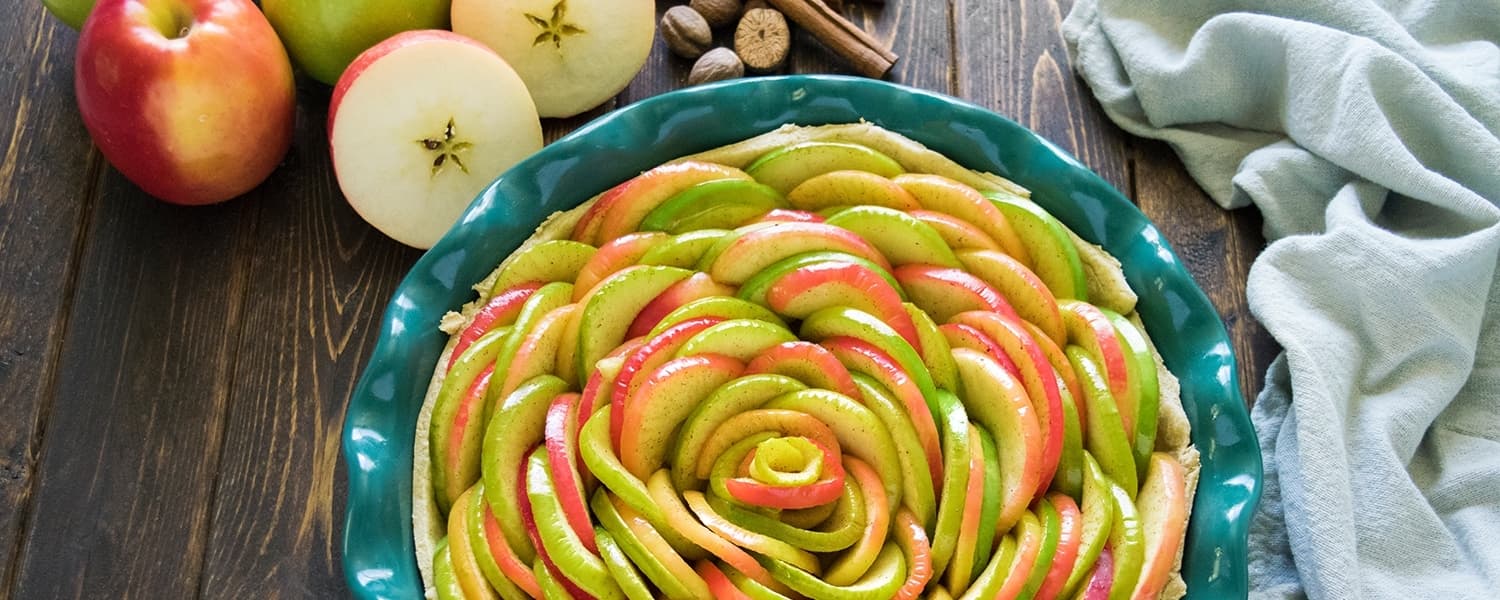
Apple Rose Pie
Ingredients For the pie crust ½ cup all purpose flour ¾ cup whole wheat flour 1 tablespoons sugar ¼ teaspoon salt 2 tablespoons cold unsalted butter, cut into small pieces 2 Tablespoons nonfat Greek yogurt 1 ½ tablespoons vegetable oil 2 tablespoons ice water For the filling 3 Pink lady apples 3 Granny Smith apples 1 tablespoon lemon juice ¼ cup brown sugar ¼ cup granulated sugar 1 teaspoon cinnamon ¼ teaspoon nutmeg Directions Combine flour, sugar, and salt in a medium bowl. Cut in butter with a pastry blender until crumbly. Mix in the Greek yogurt and vegetable oil. Add water, 1 tablespoon at a time, and combine with a fork until the mixture can form a ball. Lightly flour some plastic wrap, then place the dough on top. Flatten out dough. Cover with plastic wrap, then place in the fridge for 20 minutes. While dough is chilling, preheat oven to 425°F. Remove dough from fridge. Roll out on a floured surface to ⅛ thickness. Place dough in a 9-inch pie pan, then trim the edges. While oven is preheating cut the apples into thin semi-circle shapes leaving the skin on. Toss the apples in a large pot with the lemon juice, brown sugar, granulated sugar, cinnamon and nutmeg. Heat on medium high heat just until the apples are soft enough to bend without breaking about ten minutes. And remember to save the juice. Carefully arrange the apple slices around the apple pie crust starting with the outside and making your way to the center of the pie. Once you get to the center of the pie take small pieces and bend them around each other to create the center of the rose. Try to make the apples as compact as possible and go back and fill in any spots as necessary. You should be able to get all six apples in it. Drizzle the leftover juice over the apples and bake for 30-45 minutes. Cut into 8 equal slices and enjoy! NUTRITIONAL INFO PER SERVING Calories 240 (50 from fat) Total fat 6g Saturated fat 2g Cholesterol 10mg Sodium 75mg Carbohydrate 45g (5g dietary fiber, 26g sugar) Protein 3g WARNING: This post is not intended to replace the advice of a medical professional. The above information should not be used to diagnose, treat, or prevent any disease or medical condition. Please consult your doctor before making any changes to your diet, sleep methods, daily activity, or fitness routine. iFit assumes no responsibility for any personal injury or damage sustained by any recommendations, opinions, or advice given in this article.
May 13, 2017