
How to plan an ultramarathon: Ashley Paulson’s race day strategy
A 200 mile race isn’t won or lost in the final miles. It’s decided in the planning that happens weeks before the starting line, and in the small, repeatable decisions made every few hours once the race begins. iFIT Trainer Ashley Paulson has built her race day strategy over two decades of racing, including a Triple Crown season chasing the Tahoe 200, Bigfoot 200, and Moab 240 in a single year.
Here is how she plans pacing, gear, crew, and the mental math that gets her through races that take days to finish.
Pacing starts before the starting line
“I’m a big believer that pacing starts long before that starting line,” Paulson says. Before she ever takes a step, she studies the entire course, elevation gain and loss, terrain, and where the runnable sections are versus where patience will matter more.
Weather gets the same attention. “When is the heat going to hit? Where will I have shade? Will I be dealing with wind, rain, or cold overnight?” she asks herself. If flatter, runnable miles come early, she uses them without burning energy she’ll need later. If heat is coming in the afternoon, she’s already adjusting effort and hydration before it arrives.
“It’s about running smart, not just running fast,” she says. “I want to know where I can make time, where I need to be conservative, and where patience will pay off big later in the race.” Even with a plan this detailed, she leaves room to adapt, since conditions on a 200 mile course rarely go exactly as expected.
What’s actually in an ultrarunner’s race kit
Ask Paulson what she never leaves home without, and the answer isn’t complicated. “Chapstick. Always,” she says. “I can have all the fuel, hydration, gear, and backup plans in the world, but if my lips are dry, we have a problem.”
Beyond the small things, her gear strategy centers on layers. Heat during the day, cold overnight, wind, rain, or big elevation changes all factor into what she packs. “I’d rather carry a little extra gear than find myself miserable, or worse, unsafe out there,” she says. She also plans where she can swap gear at aid stations, so she isn’t carrying everything she might need for the entire race on her back at once.
Breaking a 200 mile race into pieces you can manage
“I never think about running 100 or 200 miles all at once,” Paulson says. “That’s just crazy.” Instead, she breaks the race down into aid stations, landmarks, or whatever the next small goal happens to be. Get to the next point, take care of what’s needed, and do it again.
That kind of breakdown is exactly what her crew builds around on race day. At the Tahoe 200, her husband and crew chief Matt described studying the entire course map in advance: “We’re looking at where we can physically crew her and where we can’t. The space between aid stations, so that she can plan where her drop bags are, all of her nutrition and calories that she’ll have to carry with her.” His goal, as he put it, was simple: “The more that I can succeed at my job as a crew chief, the better focused she’ll be on her race. She just has to go run.”
That division of labor is the point. Paulson’s job is to break the race into the next small piece. Her crew’s job is to make sure the logistics behind each piece are already handled before she gets there.
Running through the night
Multi-day races mean running through the night, often more than once, and for much of that stretch, alone. Pacers aren’t allowed for the early portion of a race like the Tahoe 200, so the overnight miles before that point are hers to handle solo. Her husband and crew chief Matt described her as a seasoned athlete who “can get through it on her own,” even through long stretches with no one else in sight.
At mile 87, that changes. Her pacer Rhandi Orme explained that this was “the first time that Ash has the opportunity to have a pacer run with her,” and took on the next stretch of the race alongside her.
“Sometimes I don’t sleep at all,” Paulson says. “Other times, I might take 20 minutes, or even just 5 minutes if that’s what I need.” The decision comes down to weighing a short rest against pushing straight through, based on how she’s feeling in the moment.
Heading into the Tahoe 200, her coach was blunt about what a competitive finish would require. “Sub-48 would be getting that 200 miles in under 48 hours,” Paulson explained. “Two full days of running. And he said maybe 10 minutes of sleep.”
“The night can mess with your mind,” she says. “So having a strong mental game is huge.” She also draws a clear line between being tired because training is hard and being too sleep deprived to move safely or think clearly, and that distinction is what decides whether she pushes through or takes the short rest.
Why a pacer changes everything
Paulson doesn’t always run with a pacer, but when she can, she prefers it. “I don’t want to think about the trail, navigate the course, or figure out where we’re going when I’m deep into an ultra,” she says. “That’s what their fresh brain power is for. I just want to follow their lead, focus on moving my feet, and let them handle the thinking.”
At the Tahoe 200, her pacer Rhandi described the role the same way. “I would cheer loud and fierce. I would be her voice,” Rhandi said. “We can’t mule for them, so I can’t carry Ashley’s stuff. I can’t help her physically. I can help her, like, emotionally and mentally. My job will be to support her in the best way I can. Keep her on pace, keep her spirits up, keep her company.”
That’s the real function of a pacer in an ultra. Not to carry gear or set pace by force, but to hold the mental load so the runner doesn’t have to.
Frequently asked questions
How do ultrarunners plan pacing for a long race?
By studying the course’s elevation, terrain, and expected weather well before race day, then deciding in advance where to push on runnable sections and where to stay patient. The plan still leaves room to adapt once real conditions on the course take over.
What should be in an ultramarathon race day kit?
Layers for changing temperature and weather, along with small comfort items that matter more than they sound, chapstick being a common example. Gear is often planned around what can be swapped at aid stations rather than carried for the entire race at once.
How do ultrarunners handle running through the night?
By deciding in the moment whether to take a short rest, sometimes just a few minutes, or keep moving. The choice depends on how far into sleep deprivation the runner is and whether continuing can still be done safely. Pacers often aren’t allowed until later in a race, so earlier overnight stretches are typically run solo.
Why do ultrarunners use pacers?
A pacer takes over the mental load of navigating and decision making late in a race, so the runner can focus only on moving forward. Pacers aren’t allowed to carry a runner’s gear, but their role in keeping pace and spirits up matters just as much.
Explore more
How Ultrarunners Fuel for Races Over 100 Miles: Ashley Paulson’s Nutrition Strategy
Building Your Aerobic Base: Ashley Paulson’s Training Philosophy for Ultrarunners
740 Miles, Four Races, One Season: Inside Ashley Paulson’s Impossible Year
The primary purpose of this blog post is to inform and entertain. Nothing on the post constitutes or is intended to be a substitute for professional medical advice, prevention, diagnosis, or treatment. Reliance on any information provided on the blog is solely at your own risk. Always seek the advice of your physician or other qualified health provider with any questions you may have regarding a medical condition, and please consult your doctor or other health care provider before making any changes to your diet, sleep methods, daily activity, or fitness routine. Do not disregard professional medical advice or delay seeking it because of information available on this blog. iFIT assumes no responsibility for any personal injury or damage sustained by any recommendations, opinions, or advice given in this article. Always follow the safety precautions included in the owner’s manual of your fitness equipment.
You might also like
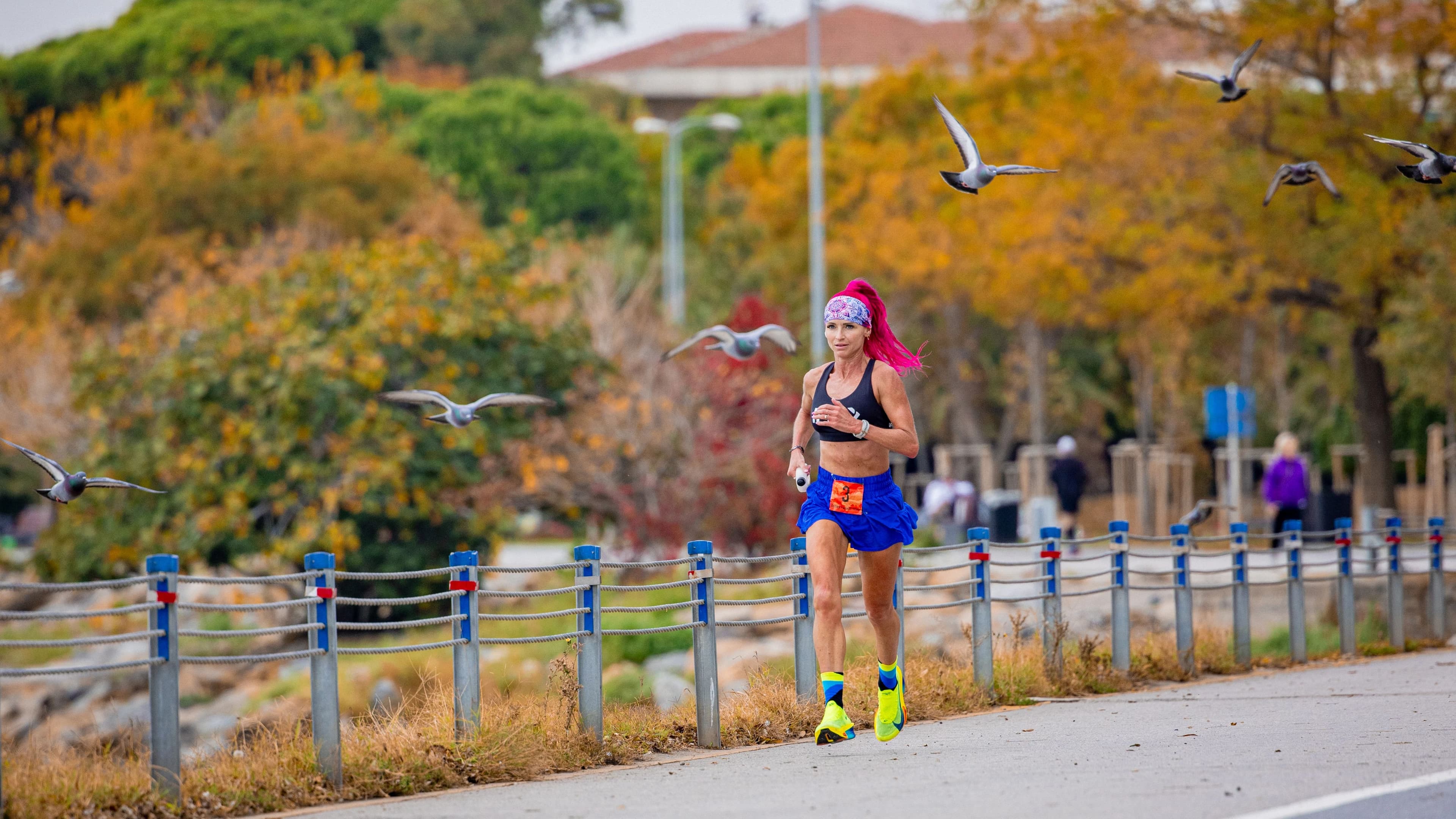
How ultrarunners fuel for races over 100 miles: Ashley Paulson’s nutrition strategy
iFIT Trainer Ashley Paulson shares how she fuels before, during, and after races that push the body for days, from gut training to what she eats when nothing sounds good.
October 21, 2026
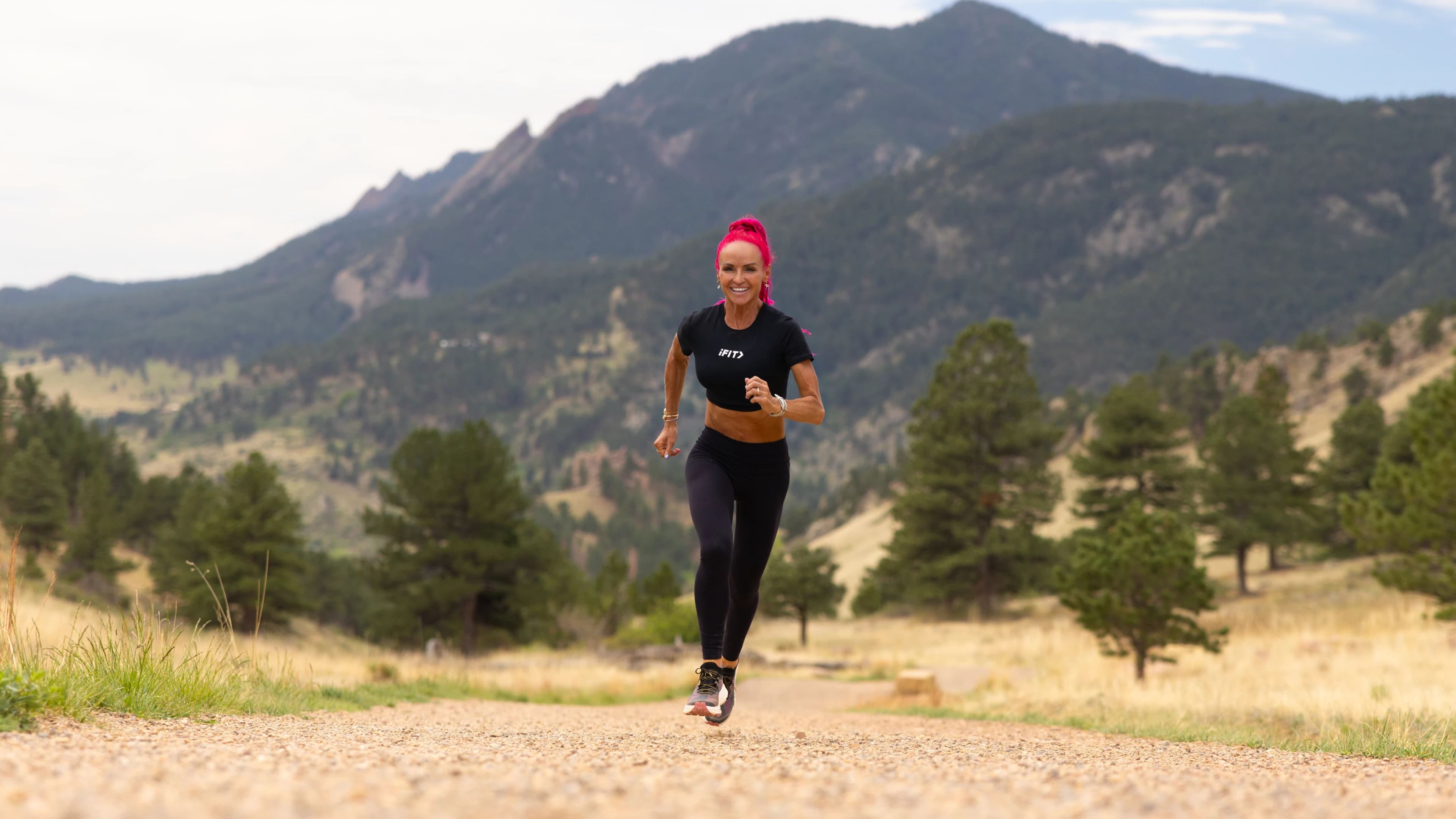
Building your aerobic base: Ashley Paulson’s training philosophy for ultrarunners
iFIT Trainer Ashley Paulson shares how she builds training volume, knows when to push versus back off, and trains for terrain she can’t always access.
October 20, 2026
How to plan an ultramarathon: Ashley Paulson’s race day strategy
iFIT Trainer Ashley Paulson breaks down how she plans pacing, gear, overnight strategy, and crew logistics for races that take days to finish.
October 19, 2026